Kurly IPO: When and at What Price? Market Kurly’s Six Profitable Quarters, a KRW 74,000 Self-Valuation and a KRW 24,700 Off-Exchange Price
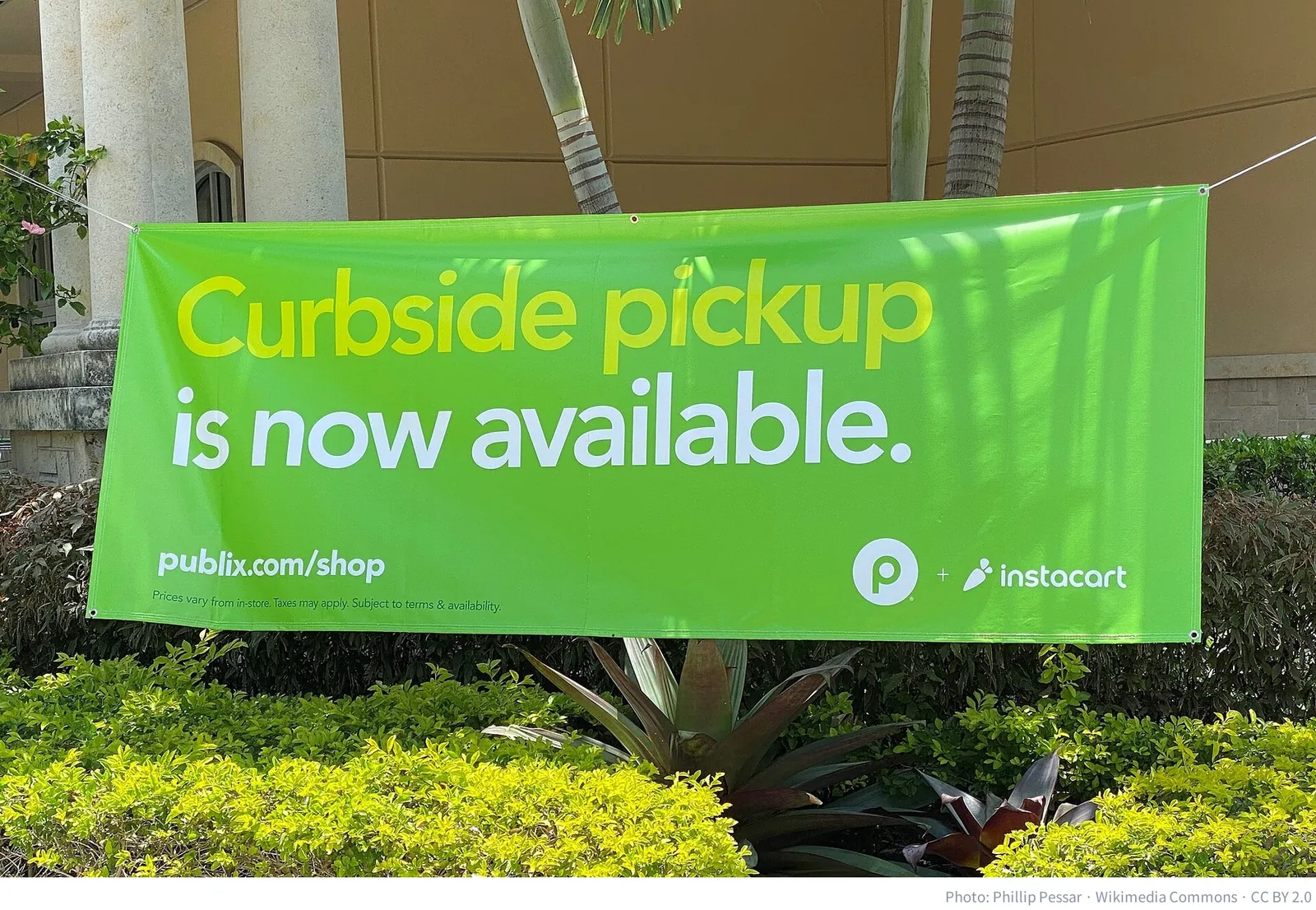
In early 2021 Instacart, the American grocery delivery company, announced a private funding round that valued it at USD 39bn. Grocery delivery orders were pouring in during the pandemic. Two and a half years later, on September 18, 2023, Instacart set its Nasdaq IPO price at USD 30 a share. That was the top of its USD 28-30 range, but it valued the company at about USD 10bn. Instacart listed after giving up 74% of its last private valuation. The next day its first trade was at USD 42 and it closed at USD 33.70. On October 22, 2026 the shares were at USD 50.31, 67.7% above the IPO price (Yahoo Finance).
Two lessons overlap in that story. One is that a private-market valuation does not set the IPO price. The other is that an IPO priced below the last private round is not necessarily a bad IPO. Because Instacart cut its price, the investors who bought IPO shares made money, and the company became a listed company that the market could value again on its later results.
So what about Kurly? Kurly Inc., which runs the Market Kurly grocery app, was valued at KRW 4tn (about USD 3.03bn) in a pre-IPO round at the end of 2021. It passed the review for a KOSPI listing in 2022 but postponed its IPO in January 2023. Off-exchange its shares now trade at KRW 24,700 (about USD 18.69), a market value of KRW 1.08tn (about USD 0.82bn). Yet on October 2, 2026, when it swapped shares with its affiliate Next Kitchen, the company valued its own shares at KRW 74,000 (about USD 56). This report asks three questions. What does Kurly make money from now? Why do such different prices sit on the same share? And so when, and at what price, is Kurly likely to list? To answer, the report reads Kurly’s quarterly, half-year and annual reports and material filings on DART, the company’s results releases, 1,161 days of off-exchange prices, and the forward P/E of 11 comparable companies.

This report is the English edition of the author’s Korean note on Kurly.
As of: October 22, 2026
Company covered: Kurly Inc. (unlisted; runs Market Kurly, Beauty Kurly, Kurly N Mart and Kurly Now). Compared with Instacart (Nasdaq: CART), Ocado (London: OCDO), Coupang (NYSE: CPNG), Amazon, Walmart, Costco, MercadoLibre, Sea, Naver and four Korean retailers (E-mart, Lotte Shopping, GS Retail, BGF Retail).
Data: financials come from Kurly’s consolidated statements on DART (Q1 2024 to Q2 2026); gross merchandise value (GMV) from the company’s results releases; the off-exchange price from daily trades on the Npay Securities unlisted market (January 24, 2022 to October 22, 2026); peer forward P/E and forward EPS, Instacart and Ocado share prices and the exchange rate (KRW 1,321.51 per dollar, October 22, 2026) from Yahoo Finance. Numbers the author calculated are marked “author’s calculation,” and estimates “author’s estimate.”
Some Korea-specific background. DART is the Financial Supervisory Service’s electronic disclosure system; Kurly is unlisted but files quarterly reports there because it has many shareholders. The KOSPI is the Korea Exchange’s main board, and a listing starts with a preliminary listing review by the exchange (KRX). Unlisted Korean shares trade on platforms such as Npay Securities’ unlisted market, in small volumes. Korea counts large sums in units of 100 million won; this report shows them as KRW bn and KRW tn.
1. Kurly is a dawn-delivery grocer that has added other sellers’ goods
Eleven years of building logistics, then services on top
Kurly’s business fits in one sentence: groceries ordered at night are at the customer’s door before morning. The company was founded in December 2014 as The Farmers and in May 2015 became the first in Korea to offer dawn delivery, branded “Saetbyeol” (morning star) delivery. It took the name Kurly in 2018. Its history since then runs in four lanes: building fulfillment centers, adding services, raising money and trying to list.
The logistics lane began with the Gimpo fulfillment center in February 2021 and continued with Changwon in April 2023 and Pyeongtaek in May 2023. The first center, in Songpa, closed in June 2023. Today Gimpo, Changwon and Pyeongtaek serve the capital region and the Chungcheong, Yeongnam and Honam regions, and in July 2024 Kurly added dawn delivery in Honam and next-day delivery on Jeju. In February 2026 it launched “midnight delivery,” which delivers orders placed by 3 pm before midnight the same day. According to the Kurly newsroom, regular dawn delivery takes orders until 11 pm and delivers by 7 am (8 am in some areas), and 70% of its volume comes in between the evening and 11 pm. Its core customer shops after work for tomorrow morning. The service lane ran through Beauty Kurly in November 2022, the paid membership Kurly Members in August 2023, the quick-commerce service Kurly Now in June 2024 and Kurly N Mart inside the Naver Plus Store in September 2025. Chapters 4 and 9 cover the money and listing lanes. One chart holds the path from dawn delivery in 2015 to three fulfillment centers in 2023 and the first annual profit in 2025.

97.4% of sales are goods it buys and resells, and the commission share is growing
The half-year report says Kurly sells about 90,000 products. On a separate basis 97.4% of sales are sales of goods and the remaining 2.6% is other revenue such as commissions and advertising. No single item exceeds 5% of goods sales. Fresh food such as ready meals, chilled and frozen food, meat, seafood, fruit and vegetables is at the center, and the range extends to kitchen and household goods, skincare and make-up, and fashion accessories. In other words, the backbone is “1P” retail, in which Kurly buys the goods, holds the stock and sells them.
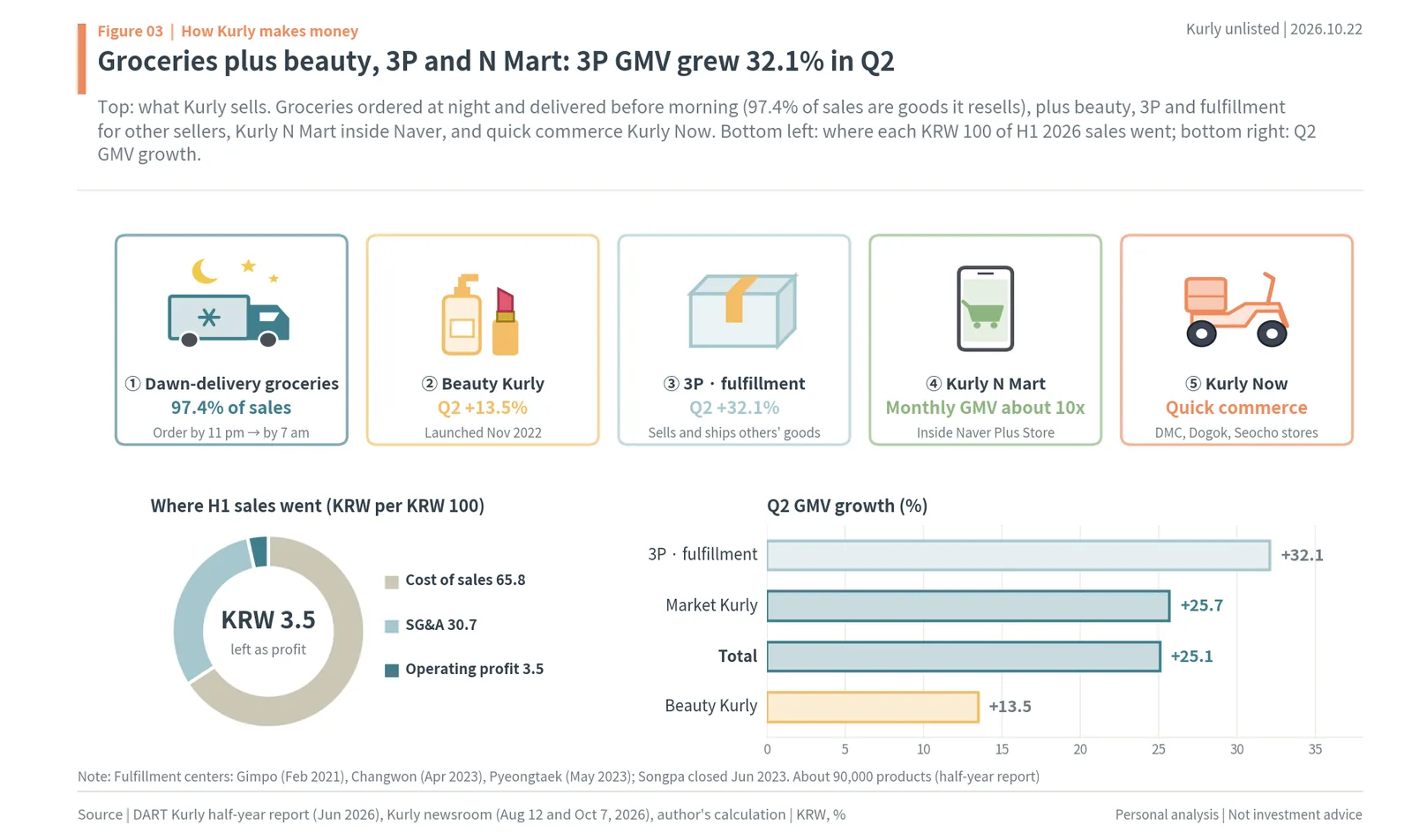
On top sits 3P and fulfillment (FBK), in which Kurly sells and ships other sellers’ goods for a commission. Sellers put their goods in Kurly’s warehouses or ship them themselves. This part is growing quickly. 3P GMV, including FBK, rose 54.9% in 2025, and in Q2 2026 3P and fulfillment GMV grew 32.1%. In the same quarter Market Kurly’s GMV grew 25.7% and Beauty Kurly’s 13.5%. The company explained that its Q2 gross margin rose 1.5 percentage points in a year because commission-based sales such as 3P products took a larger share. The top of the chart shows Kurly’s five businesses; the bottom left shows that each KRW 100 of first-half sales went KRW 65.8 to cost of sales and KRW 30.7 to SG&A, leaving KRW 3.5 as operating profit.
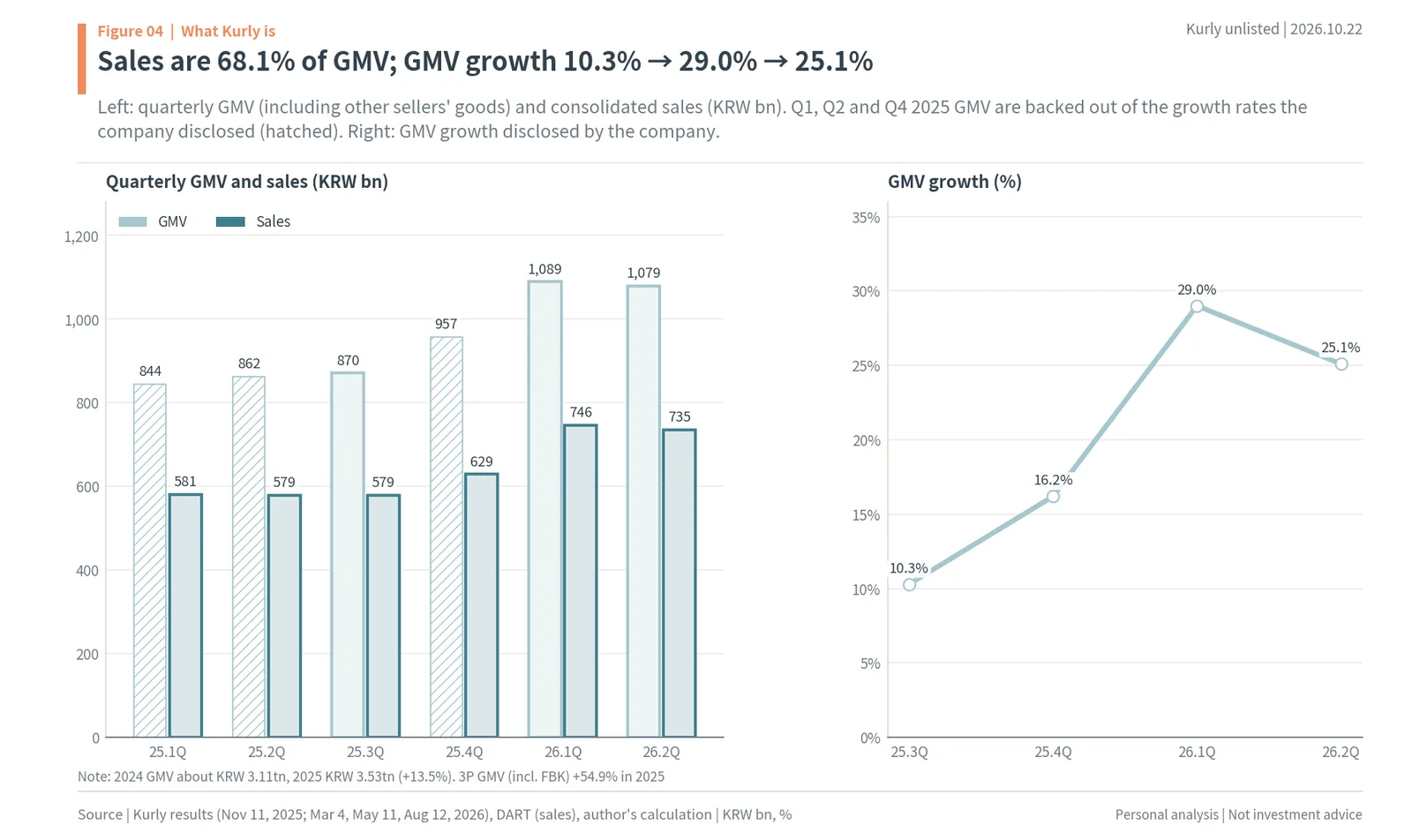
Sales are 68.1% of GMV
Kurly reports two figures. GMV is the total that consumers pay inside Kurly; sales are the part booked as Kurly’s revenue. For goods Kurly buys and resells, the full price is sales; for 3P goods only the commission is. So as 3P grows, GMV rises faster than sales and the gross profit on each won of sales thickens.
Q2 2026 GMV was KRW 1.0786tn and consolidated sales of KRW 734.8bn were 68.1% of it (author’s calculation). GMV growth jumped from 10.3% in Q3 2025 and 16.2% in Q4 2025 to 29.0% in Q1 2026 and 25.1% in Q2. GMV for Q1, Q2 and Q4 2025 is backed out of the growth rates the company disclosed and is hatched in the chart. For the full year, GMV rose 13.5% from about KRW 3.11tn in 2024 (author’s calculation) to KRW 3.53tn in 2025.
There are branches beyond groceries. Kurly exports its own curated products (Kurly Exclusive) to Hong Kong, Singapore and the US and set up a US subsidiary, Kurly Global, in July 2025 (half-year report). In beauty it launched its own skincare brand, Dew:Era, with two mask packs (Korea Financial News). In numbers these are still small: other revenue is 2.6% of sales, and most of the company’s sales are still groceries leaving the Gimpo, Changwon and Pyeongtaek centers.
In short, Kurly is a grocer with three fulfillment centers in place, and it is shifting weight toward loading other sellers’ goods onto that logistics for a commission. The next chapter splits how that structure produced a profit.
2. The profit came from loading more orders into the same centers rather than building new ones
KRW 51.6bn of operating profit from KRW 1.48tn of first-half sales
Following Kurly’s consolidated income statement for the first half of 2026 from top to bottom shows where its money goes. Sales of KRW 1.48tn (about USD 1.12bn) less cost of sales of KRW 974.6bn leave gross profit of KRW 505.8bn, a gross margin of 34.2%. Taking off SG&A of KRW 454.2bn, which includes delivery, logistics labor, packaging, advertising and lease depreciation, leaves operating profit of KRW 51.6bn (about USD 39.1mn), an operating margin of 3.5%. Net profit after finance costs and lease interest was KRW 45.7bn, and income tax was zero. A note in the half-year report says the company set its expected annual effective tax rate at 0% after weighing its tax-loss carryforwards. Ten years of losses will lighten its tax bill for some years.
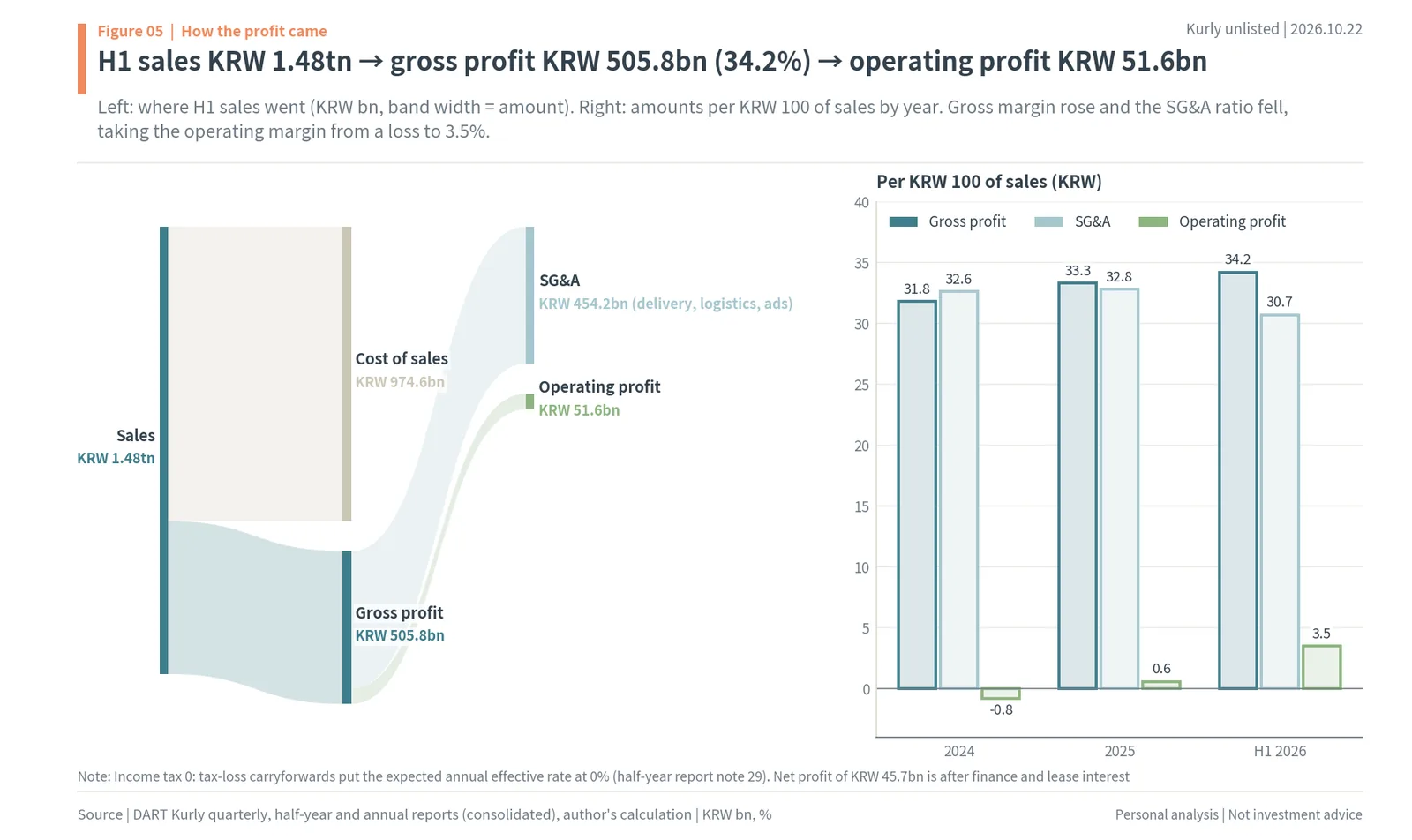
The bars on the right show amounts per KRW 100 of sales by year. Gross profit rose from KRW 31.8 in 2024 to KRW 33.3 in 2025 and KRW 34.2 in the first half of 2026. SG&A was KRW 32.6, KRW 32.8 and KRW 30.7. In 2024 SG&A exceeded gross profit, so Kurly lost KRW 0.8; in 2025 it kept KRW 0.6, and in the first half of 2026 KRW 3.5.
Operating margin -0.8% to 3.5%: a little over half from gross margin, the rest from the SG&A ratio
The turnaround splits into two parts. From an operating margin of -0.8% in 2024 to 3.5% in the first half of 2026, the margin rose 4.3 percentage points. Of that, gross margin added +2.4pp and a lower SG&A ratio, -1.9pp, filled the rest (author’s calculation). As the company explained, the higher gross margin came largely from the bigger share of 3P commissions. The SG&A ratio fell because more orders went through the same centers and the same delivery trucks. In won, operating profit was -KRW 18.3bn in 2024, KRW 13.1bn in 2025 and KRW 51.6bn in the first half of 2026.
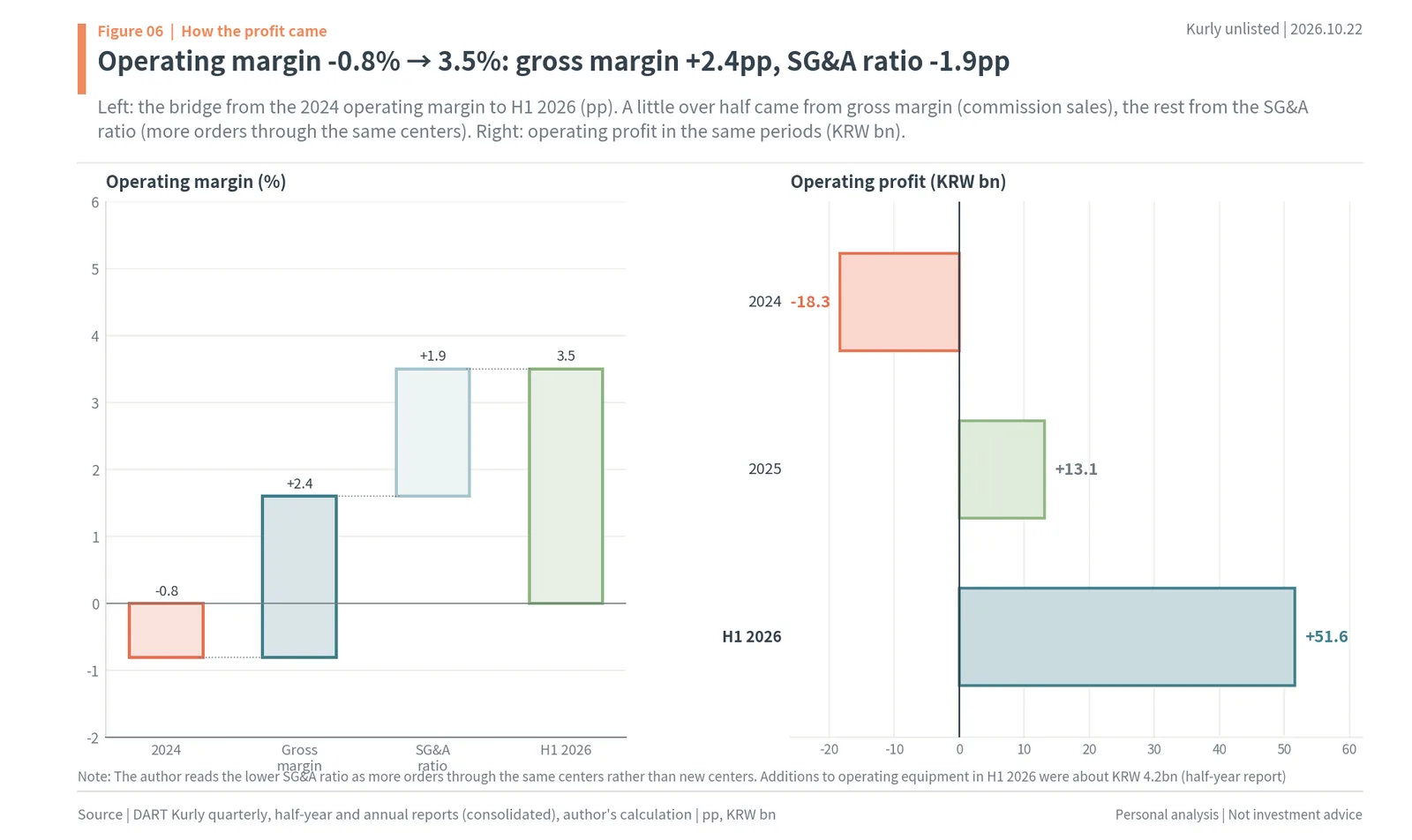
The SG&A side follows an old formula of logistics companies. Once a fulfillment center and a chilled delivery network are built, depreciation and rent are paid whatever the number of orders. Right after the Changwon and Pyeongtaek centers opened in 2023, the centers were large and orders did not fill them. Kurly then built no new centers; additions to operating equipment in the first half of 2026 were only about KRW 4.2bn (author’s calculation). The more orders, the more sales the same fixed costs are spread over, and the lower the SG&A ratio. The author sees this effect as a large part of the margin improvement in the first half of 2026.
By quarter, the two lines crossed in Q1 2025
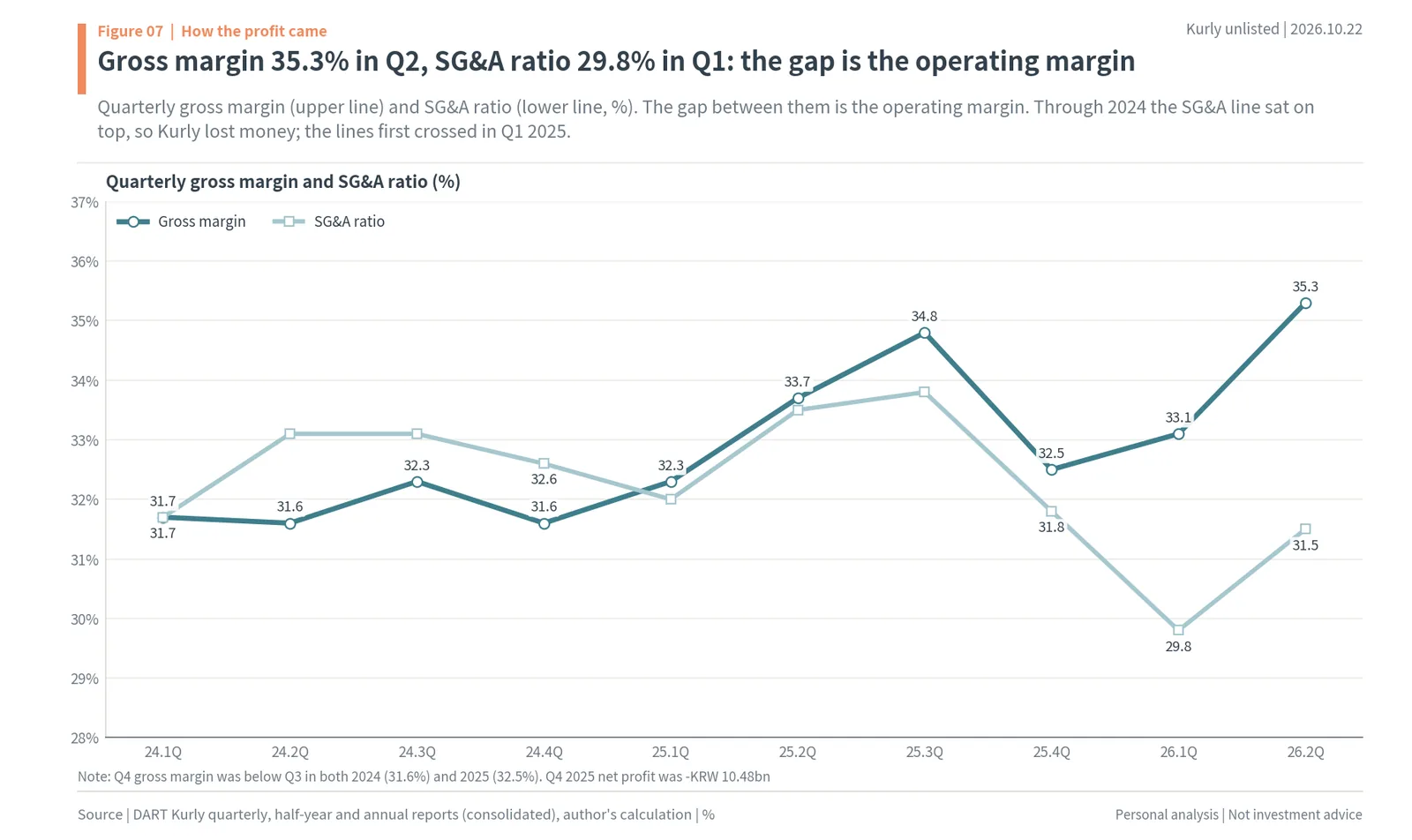
Split by quarter, the trend is clearer. Gross margin rose from 31-32% in 2024 to 34.8% in Q3 2025 and 35.3% in Q2 2026. The SG&A ratio fell from 33.1% in Q2 2024 to 29.8% in Q1 2026. The gap between the two lines is the operating margin. Through 2024 the SG&A line sat above the gross margin line and Kurly lost KRW 0.2bn to KRW 8.3bn a quarter; in Q1 2025 the lines crossed for the first time and Kurly made KRW 1.76bn. It has now been profitable at the operating level for six quarters in a row through Q2 2026. In Q4 2025 the gross margin fell to 32.5% and the net result was -KRW 10.48bn; since gross margin also dipped from Q3 to Q4 in 2024, the author reads this as a fourth-quarter seasonal pattern. A gross margin of 35.3% in Q2 and an SG&A ratio of 29.8% in Q1 are the best figures so far.
Finance items sit between operating profit and net profit. First-half finance costs were KRW 15.07bn and finance income KRW 6.57bn. Finance costs are large even though borrowings are only KRW 22bn because interest on the fulfillment centers’ lease liabilities is booked as a finance cost. In the cash flow statement for the same period interest paid was KRW 14.75bn and interest received KRW 4.93bn. That is why operating profit of KRW 51.6bn became net profit of KRW 45.7bn, and why the forecast in chapter 6 subtracts KRW 3bn a quarter from operating profit.
Cash started to stay before book profit did
Whether profit stays as cash was also checked. Operating cash flow in the first half of 2026 was KRW 99.0bn, nearly twice operating profit, because it includes non-cash costs such as depreciation and trade payables (supplier bills paid later). Even after subtracting KRW 3.7bn of capital expenditure and KRW 20.4bn of lease repayments, which correspond to the centers’ rent, KRW 74.9bn is left (author’s calculation). For full-year 2025, operating cash flow of KRW 110.2bn less KRW 5.9bn of capex and KRW 42.3bn of lease repayments leaves KRW 62.0bn. Of the cash left in the first half and the KRW 33bn from Naver’s share purchase, KRW 38.3bn was moved into short-term financial products. Kurly’s book profit started in 2025, and so did its ability to pay rent and still keep cash.
The balance sheet is sound too. At the end of June, cash of KRW 201.9bn plus KRW 166.2bn of short-term and KRW 4.8bn of long-term financial assets come to KRW 372.9bn, and with borrowings of only KRW 22bn net cash is KRW 350.9bn (author’s calculation). Against that are KRW 354.1bn of lease liabilities from renting the centers. Lease liabilities are debt, but they are paid as monthly rent, and now that operating cash flow covers the rent, Kurly is not a company that needs to rush to list for cash. That feeds into the timing judgment in chapter 9.
3. Two tailwinds lifted sales 28% this year; the one that lasts is Naver
Single-digit growth in 2025 jumped to 28.4% in Q1 2026
The turnaround in chapter 2 began in 2025, but sales hardly grew then. Sales growth from the same quarter a year earlier was 7.7% in Q1 2025, 7.4% in Q2, 4.4% in Q3 and 11.6% in Q4. Then it jumped to 28.4% in Q1 2026 and 27.0% in Q2. Orders suddenly crowded into the same centers, which is also why the SG&A ratio fell to 29.8% in Q1. What changed? Two winds blew from outside at the same time.
First tailwind: a store inside Naver, Kurly N Mart
The first is Naver, Korea’s largest internet portal. Kurly and Naver signed a strategic partnership in April 2025, set up dedicated teams and, after about six months of preparation, opened Kurly N Mart, a grocery store inside the Naver Plus Store, in September 2025. It was the first time Kurly opened a store on another company’s platform. Naver Plus membership customers get free delivery, and orders ship from Kurly’s centers by dawn delivery. Naver gains dawn delivery and chilled and frozen logistics without building its own centers; Kurly gains Naver’s traffic and members. The Elec explained that Naver chose a logistics alliance model (NFA) that ties together other companies’ logistics instead of building its own network, with Kurly handling fresh-food dawn delivery inside it. Kurly’s centers became the fulfillment centers for Naver’s groceries.
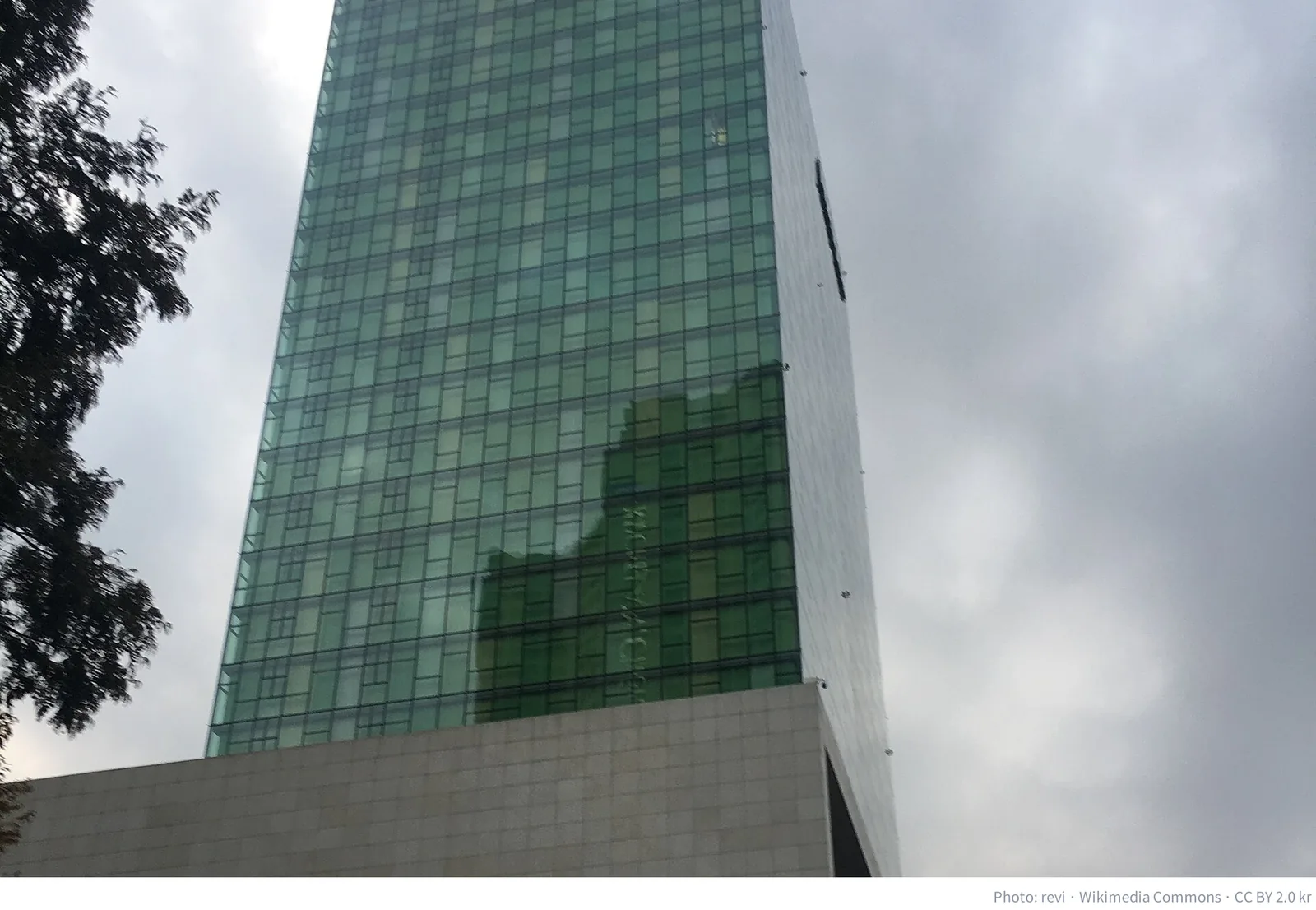
According to the Kurly newsroom’s anniversary post (October 7), Kurly N Mart’s monthly GMV grew about tenfold from September 2025 to August 2026; it was already ninefold by March. Monthly orders per customer rose 35% from the early launch period, and 7 of every 10 orders included a Kurly-only product. The best sellers were everyday staples: eggs, milk, tofu and meal kits. The customers differ a little, too. Four in ten N Mart orders came from outside the capital region, 5 percentage points more than on Kurly’s own app. Even the eggs differ: on Kurly’s app a premium 20-egg pasture-raised pack sold best, on N Mart a 30-egg value pack.
Naver is also a shareholder. Dealsite reported that Naver bought about KRW 43bn of existing Kurly shares in July 2025 (The Elec estimated KRW 50-60bn), and in May 2026 it bought 498,882 new shares at KRW 66,148 each for KRW 33bn. At the end of June Naver held 2,650,658 shares, 6.18%, more than CEO Sophie Kim’s 5.62%. On the KRW 43bn figure, Naver’s average price for this stake is about KRW 28,672 a share (author’s calculation).
The devices that route N Mart through Kurly’s logistics keep growing. After midnight delivery launched in February 2026, N Mart orders placed between 6 am and noon rose 34% within a month. Volume shipped through Naver’s logistics alliance (NFA) is 21 times what it was at launch. The two companies plan to widen “N+ Selection,” which picks competitive grocery products from about 600,000 Naver Smart Store sellers and ships them through Kurly’s network, and AI recommendations, such as suggesting camping meal kits to a customer who bought camping gear, by the end of the year. The company says N Mart and its own app attract different customers and grow together, and the higher share of orders from outside the capital region is the evidence. Because orders arriving through a different door are loaded into the same centers, N Mart is the fastest way to run the fixed-cost formula of chapter 2.
Second tailwind: Coupang’s data breach
The second wind came from a competitor. After Coupang’s large personal-data breach (33.7 million exposed accounts) came to light at the end of 2025, Coupang handed out compensation coupons from January 2026. Its Q1 operating loss was about USD 242mn (about KRW 354.5bn), and product-commerce active customers fell by 700,000 in a quarter to 23.9mn (Financial News). Coupang’s Q1 revenue of USD 8.504bn grew 8%, its lowest quarterly growth since listing. Korean industry called it “leaving Coupang,” and in January the Seoul Economic Daily reported investment bankers’ view that Kurly was benefiting from the Coupang incident.
That wind faded quickly. Coupang’s active customers recovered to 24.7mn in Q2, 3% more than a year earlier, regaining the Q1 drop (Money Today). Coupang attributed the Q1 decline to a counting lag after the data incident. Even in Q2, when Coupang’s customers came back, Kurly’s sales grew 27.0%. Coupang’s customers came back to 24.7mn in Q2, yet Kurly’s growth stayed almost where it was in Q1.

The author reads these two numbers this way. Shoppers leaving Coupang may have added some growth in Q1, but what explains 27% growth continuing into Q2 is the new door at Naver. In Q2 Coupang booked a Personal Information Protection Commission fine (about USD 410mn), posted an operating loss of USD 556mn, and grew revenue 4%. Since the weight of Kurly’s growth lies on the Naver side, the first number that decides its IPO value is whether growth in Q3 and Q4 2026 stays in the 20s along with N Mart.
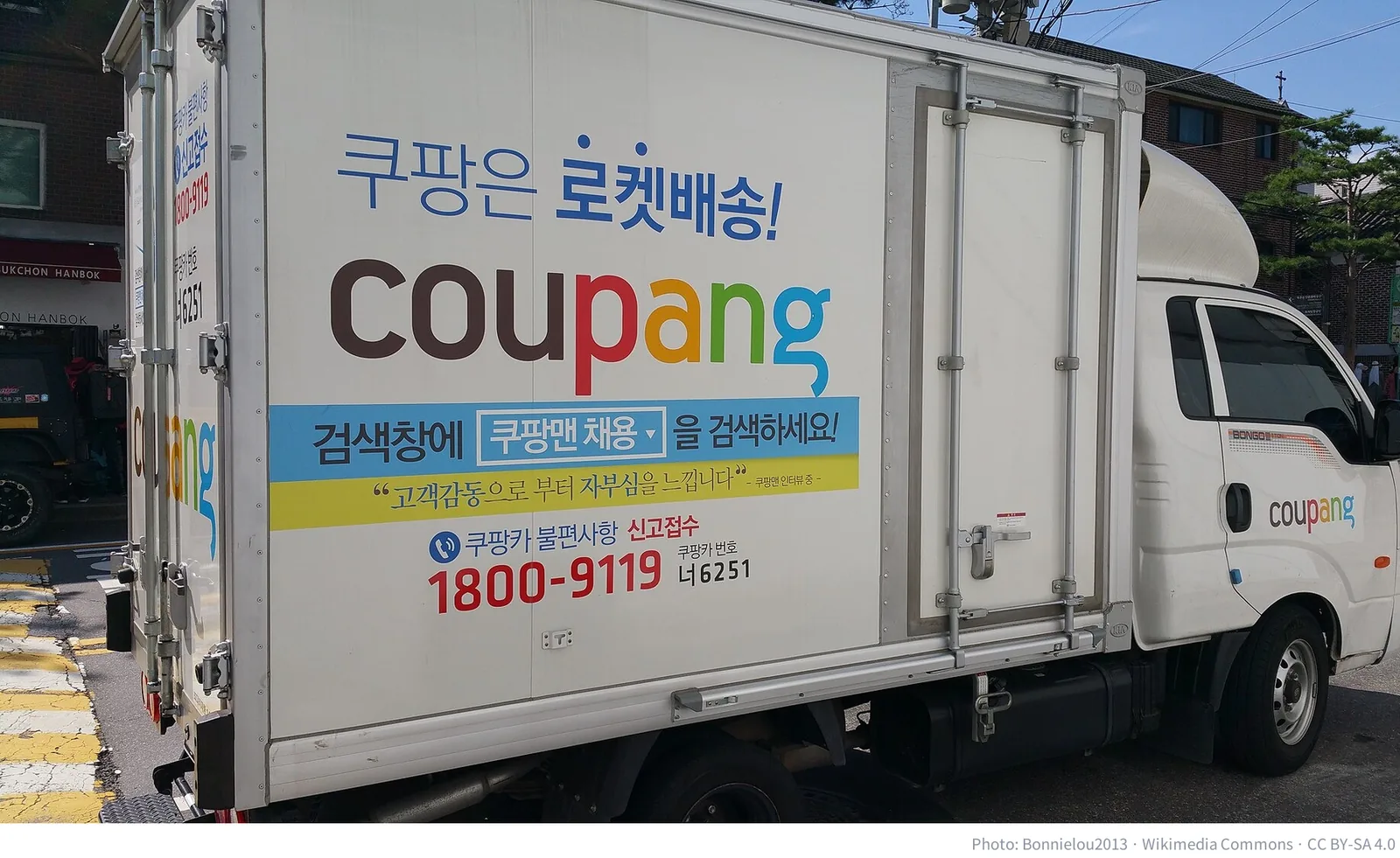
In short, Kurly’s growth this year owes much to an outside door at Naver, and the Coupang incident added a brief gust. The next chapter looks at who owns the company and what they paid.
4. More than half the shareholders are funds that must sell some day
Eight holders above 5% own 64.08%; six investment funds own 52.28%
To read Kurly’s IPO, start with its shareholders rather than the company. The half-year report’s shareholder distribution lists eight holders above 5% at the end of June. The largest is MKG Asia with 5,695,915 shares (13.27%). The report says MKG Asia’s largest shareholder is MKG Global, whose largest shareholder is Fund IV of Anchor Equity Partners, a Hong Kong private equity firm. Next come HH SUM-XI Holdings with 9.77%, HSG Growth V Holdco H with 8.38%, DST Global VII with 8.36%, Aspex Master Fund with 6.97%, Naver with 6.18%, CEO Sophie Kim with 5.62% and Euler Fund with 5.53%. By their names, HH SUM-XI and HSG Growth V are investment vehicles of Hillhouse and HongShan (formerly Sequoia China) (author’s reading).
The eight add up to 64.08%, and the six investment funds other than Naver and Kim hold 52.28%. Their 22,439,844 shares are worth KRW 554.3bn even at the off-exchange price (author’s calculation). Small shareholders number 6,610 and hold 11.34% of outstanding shares. The founder’s stake has slipped from 5.75% at the end of 2021 to 5.62% through fundraising and option exercises. Kurly is in effect owned by funds, and funds must return money within the life of the fund. The half-year report says the shareholder agreement signed with the 2023 convertible-share investors includes a right of first refusal, tag-along and drag-along rights, and consent rights over key management matters. A listing is the door through which these holders can sell in the market.
Anchor’s average cost is about KRW 66,100 a share; its 2022 shares cost KRW 99,839
What the largest shareholder paid can be counted fairly precisely from filings. The first purchase was the pre-IPO round announced in December 2021 and issued on January 8, 2022: 2,504,030 shares for KRW 250bn, or KRW 99,839 a share (author’s calculation). The company said the round valued it at KRW 4tn. The second was the convertible shares of May 20, 2023. Kurly issued 1,814,113 shares at KRW 66,148 each for KRW 120bn, of which MKG Asia bought 1,511,761 (KRW 100bn). The shares carried a condition: if 2023 consolidated operating profit was a loss, the conversion ratio would reset to 1:1.8462343 from January 1, 2024. The 2023 operating loss of KRW 143.6bn triggered it, and on January 15, 2024 MKG Asia’s convertible shares became 2,791,065 common shares. The nominal price was KRW 66,148, but the effective price was KRW 35,829 a share (author’s calculation).
Together Anchor paid KRW 350bn for 5,295,095 shares, an average cost of KRW 66,099 a share (author’s calculation), about USD 50.02. The 400,820-share gap to its current 5,695,915 shares was probably bought off-exchange, but the price was not disclosed, so it is left out. The left side of the chart shows stakes and the right side the price per share by deal. Six investment funds hold 52.28%, and Anchor’s average cost of KRW 66,099 is almost the same as Naver’s May price of KRW 66,148.

Board pay is tied to GMV and sales
The board has nine members, three of them outside directors. CEO Sophie Kim chairs the board; finance is run by CFO Kim Jong-hoon (formerly at Morgan Stanley, joined in 2019), operations by COO Heo Tae-young, and merchandising and marketing by CCO Choi Jae-hoon, formerly of Coupang. The half-year report says executive directors’ pay is set on sales-related targets in the business plan, namely gross merchandise value and accounting sales, and on progress in mid- to long-term growth projects. Total pay for executive directors in the first half of 2026 was KRW 3.22bn, of which Kim received KRW 1.30bn, already more than her KRW 1.17bn for all of 2025. Pay tied to GMV and sales means the company aims to keep growth as well as margin until it lists.
Dilution is small. At the end of June 918,361 stock options were unexercised, with exercise prices of KRW 7,000-20,000 and a weighted average of KRW 17,958 (author’s calculation). Today’s 43,700,161 issued shares (including the shares issued for the 1z Labs and Next Kitchen swaps), less 594,057 treasury shares, plus all options, give 44,024,465 fully diluted shares. The difference is about 1%, so this report calculates per-share values on issued shares.
5. One share carries prices from KRW 15,286 to KRW 74,000
In 18 months the company raised the price it puts on its own shares almost fivefold
An unlisted company has no single share price. Kurly’s shares carry at least five. The first is the treasury shares the company bought off-exchange between April 11 and May 7, 2025: 594,057 shares for KRW 9.08bn, or KRW 15,286 a share (author’s calculation). In June that year restricted stock units of 11,340 shares given to CEO Kim as part of her bonus were valued at KRW 170mn, or KRW 15,000 a share. Stock options granted to executives on March 26, 2025 carried an exercise price of KRW 10,000, and those granted in September 2025 and on March 27, 2026 KRW 20,000. Until two months before Naver’s purchase, the price the company used internally was KRW 20,000.
Naver came in between. According to Dealsite, Naver bought about KRW 43bn of existing Kurly shares from earlier investors in July 2025. If the 2,151,776 shares left after subtracting the May 2026 new shares from Naver’s June holding are those shares, the price was about KRW 19,983 a share (author’s calculation; The Elec estimated the amount at KRW 50-60bn). The off-exchange price that month was between KRW 14,200 and KRW 17,400. A strategic investor came in slightly above the off-exchange price, at about KRW 20,000.
A year later the price was entirely different. On May 6, 2026 Kurly sold new shares to Naver at KRW 66,148, and on June 1, when it made the AI company 1z Labs a wholly owned subsidiary, it again valued its own shares at KRW 66,148 and issued 453,528 of them (about KRW 30bn worth, author’s calculation). For the 1z Labs swap the filing says an accounting firm reviewed the share value by discounted cash flow for internal reference. Then in the October 2 share swap with the food-manufacturing affiliate Next Kitchen, Kurly raised its swap price to KRW 74,000. The filing says the price was set after “sufficiently reviewing the issue prices per share applied in each company’s recent fundraising and comprehensively considering performance trends and business prospects.” No outside valuation was obtained; the law does not require one for a swap between unlisted companies. Next Kitchen’s shareholders will receive 334,926 Kurly common shares on December 7. Next Kitchen is a food manufacturer 46.4% owned by Kurly, with assets of KRW 8.5bn, liabilities of KRW 7.1bn and equity of KRW 1.5bn at the end of 2025. At the swap price (KRW 489,231 per Next Kitchen share), Kurly is paying about KRW 24.8bn of its own stock for the remaining stake (author’s calculation). The shares it gave for 1z Labs (equity of KRW 2.87bn at the end of 2025) were also worth about KRW 30bn at KRW 66,148. The price the company set became a currency used to buy other companies. From KRW 15,286 to KRW 74,000, the price the company used for its own shares rose 4.8 times in 18 months (author’s calculation).
Off-exchange, it trades at a third of that
The off-exchange price took a different path. On the Npay Securities unlisted market the highest trade was on the first day, January 24, 2022, at KRW 116,000. Amid the postponed IPO and losses it fell to the KRW 40,000s in June 2022 and KRW 15,100 at the end of 2023, and bottomed at KRW 7,650 on January 16, 2025. In spring 2025, when the company bought its own shares at about KRW 15,000, the off-exchange price was in the KRW 13,000-15,000 range. It recovered to the KRW 20,000s by the end of 2025 with the news of the first annual profit, rose to KRW 37,100 on May 15, 2026 after the Q1 results and Naver’s purchase, and stood at KRW 24,700 on October 22. That is 3.2 times the low but 33.4% below this year’s high. On the same May 15 Invest Chosun cited KRW 28,000 on another platform, so off-exchange prices differ by platform.
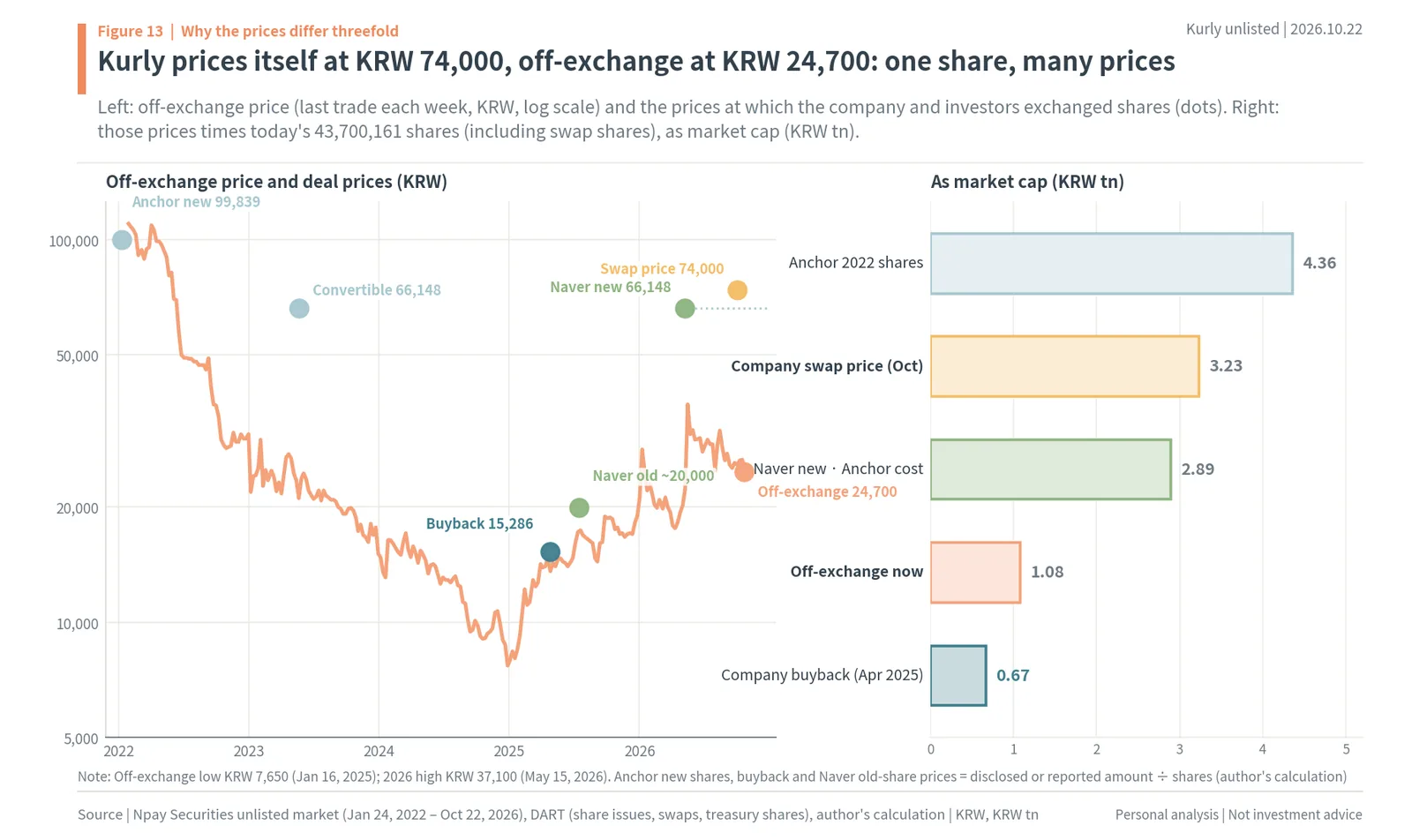
Multiplying these prices by today’s 43,700,161 shares sharpens the gap. Anchor’s 2022 price is KRW 4.36tn, the October swap price KRW 3.23tn (about USD 2.45bn), Naver’s price and Anchor’s cost KRW 2.89tn (about USD 2.19bn), the off-exchange price KRW 1.08tn and the April 2025 buyback price KRW 0.67tn (author’s calculation). The “KRW 2.8tn that Naver recognized” in the press is KRW 66,148 times the 42,375,583 shares before the issue. Kurly prices itself at KRW 74,000 while off-exchange it trades at KRW 24,700: one share, many prices, three times apart.
Which is right: off-exchange prices in time and access, the company prices in future profit
It is hard to call either one wrong. The off-exchange price is what one pays for a share whose listing date is unknown, on a platform where it is hard to sell at will. Over the last 61 trading days (July 22 to October 21) the Npay Securities unlisted market traded an average of 740 Kurly shares a day, about KRW 19.71mn (author’s calculation). A market where 0.0017% of issued shares change hands a day is not one where stakes worth hundreds of billions of won trade; it is a few small shareholders swapping shares. The risk of another delay and the lack of liquidity are both in that price. The off-exchange market cap of KRW 1.08tn is 11.6 times the author’s 2026 net profit estimate (KRW 92.7bn) and 8.0 times the 2027 estimate (KRW 135.6bn) (author’s calculation), close to the 8.3x average forward P/E of four Korean retailers. The company’s KRW 74,000, on the other hand, is a price negotiated in fundraising and share swaps, and one that a strategic investor such as Naver accepted together with a business partnership. Invest Chosun’s point that Naver’s investment was a strategic minority stake, so its price may differ from the IPO market’s, is in the same vein. So the question is not which price is right but which one the IPO market will come closer to. Chapters 6 and 7 calculate that price from earnings and peers.
6. The author’s forecast: 2027 net profit of KRW 135.6bn, with a range of KRW 82.6bn to KRW 192.7bn
Q3 and Q4 first; 2027 and 2028 from growth and margin
Kurly is unlisted, so there is no broker consensus. The author therefore estimated earnings before calculating an IPO price. The method is simple. Sales and operating profit for Q3 and Q4 2026 are set quarter by quarter, and 2027 and 2028 assume only two things, sales growth and operating margin. Net profit is operating profit less net finance cost (KRW 3bn a quarter, from the gap between first-half operating profit of KRW 51.6bn and net profit of KRW 45.7bn), with income tax at 0% thanks to loss carryforwards.
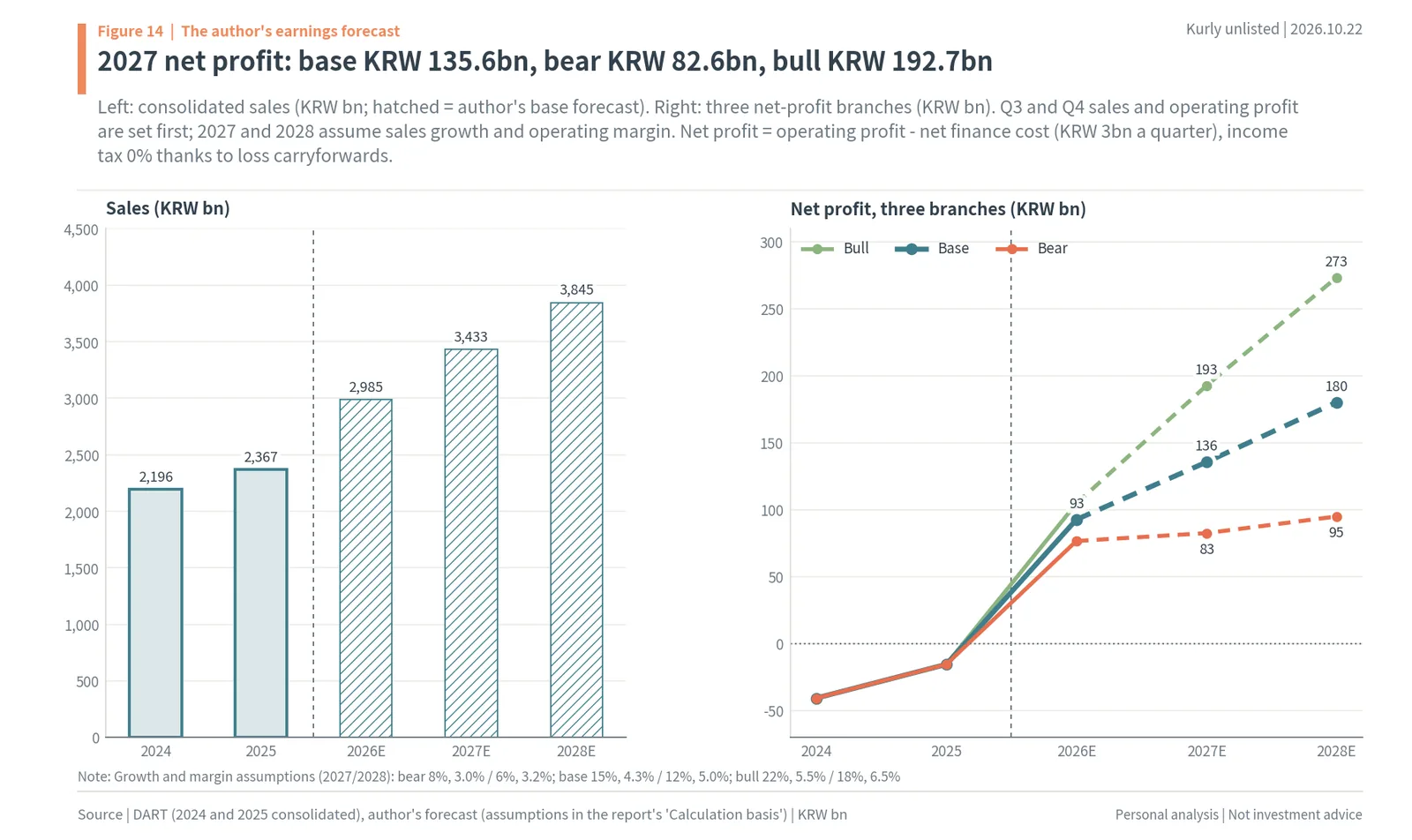
The base case is as follows. Q3 sales KRW 735bn (+27.0% year on year) and operating profit KRW 27bn; Q4 sales KRW 770bn (+22.4%) and operating profit KRW 26bn. Q4 growth is set lower because Q4 2025 already included part of the Kurly N Mart and Coupang effects. That gives 2026 sales of KRW 2.99tn (+26.1%), operating profit of KRW 104.6bn and net profit of KRW 92.7bn, close to the industry view cited by Korea Financial News (operating profit of about KRW 100bn this year). Second-half operating profit of KRW 53bn is about the same as the first half’s KRW 51.6bn, close to assuming Q2’s earning power holds. For 2027, sales growth of 15% and an operating margin of 4.3% give sales of KRW 3.43tn, operating profit of KRW 147.6bn and net profit of KRW 135.6bn. For 2028, 12% and 5.0% give net profit of KRW 180.3bn.
The bear case is Coupang winning back customers and N Mart growth breaking: 2027 growth of 8% and a margin of 3.0% give net profit of KRW 82.6bn. The bull case is N Mart and 3P keeping their current pace: 22% and 5.5% give KRW 192.7bn. The 2027 net profit of base KRW 135.6bn, bear KRW 82.6bn and bull KRW 192.7bn is the input for the IPO price in the next chapter.
The two numbers that move the value most: operating margin and tax rate
The first is operating margin. The forecast has Q2 2026’s 3.7% rising to 4.3% in 2027 and 5.0% in 2028. It simply extends chapter 2’s pattern: in a logistics company with heavy fixed costs, more orders spread the same center costs over more sales and lift the margin. With 2027 sales of KRW 3.43tn, one percentage point of operating margin is KRW 34.3bn of net profit (author’s calculation), which becomes about KRW 0.57tn of IPO market cap through the 22x P/E and 25% discount of chapter 7.
The second is the tax rate. Today the effective rate is 0% thanks to loss carryforwards, and this report follows the tax the company will actually pay. If the lead managers base the price on profit re-taxed at a normal rate (22%), 2027 base net profit becomes KRW 105.8bn and the IPO market cap at the same P/E KRW 1.75tn (author’s calculation). Which profit is used moves the IPO price by more than KRW 10,000 a share.
7. The IPO price: on 2027 profit, about KRW 50,000
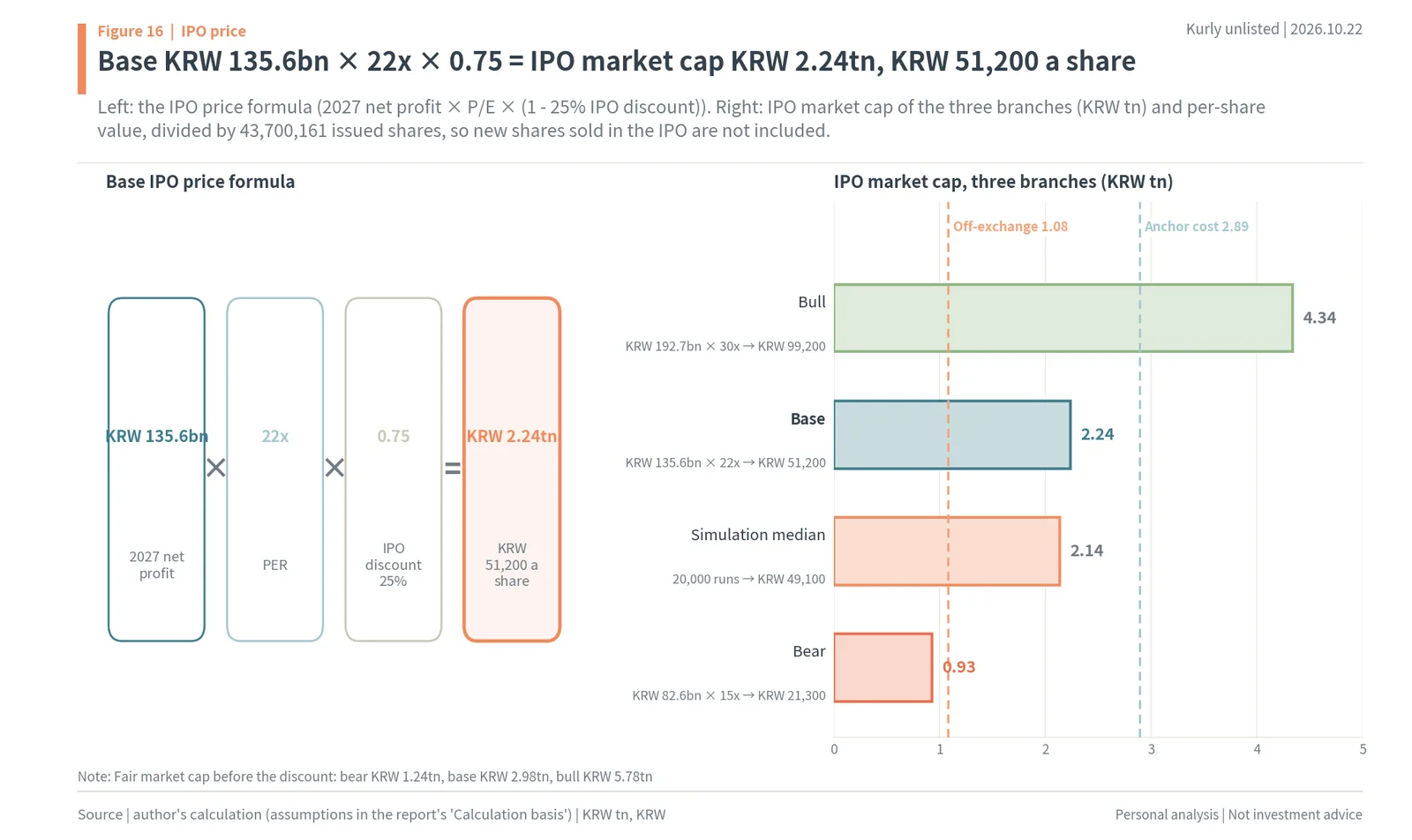
IPO price = base net profit × peer P/E × (1 – discount)
Korean IPO prices are set by much the same formula. The lead managers pick comparable listed companies, multiply their average P/E (share price ÷ earnings per share) by the issuer’s base net profit to get a “fair market cap,” and cut it by a set percentage to get the offer range. The cut (the discount) is what IPO buyers earn on the first day. So predicting the IPO price comes down to three numbers: which profit, which peers and how big a discount. The profit used here is the 2027 forecast from chapter 6, because, as chapter 9 shows, the base-case listing is in the second half of 2027 and that year’s profit is likely to be the base.
Net cash is not added separately. The KRW 350.9bn of net cash (ex-leases) at the end of June underpins the interest income already in the P/E formula, and together with the new IPO proceeds it stays inside the company, so it adds little per share. What changes the value more is taking 2027 rather than 2026 as the base year. If Kurly lists in the second half of 2027, the lead managers will likely use that year’s profit with half of it already confirmed, and that difference becomes the gap between the listing paths in chapter 9.
Peers: P/E differs more than fourfold across groups
The choice of peers moves the value most. Yahoo Finance forward P/E (share price ÷ next year’s expected EPS) on October 22 splits into three groups. The five growth-commerce companies are Amazon at 25.1x (on forward EPS of USD 10.45), MercadoLibre 33.0x (USD 56.24), Sea 15.0x (USD 5.21), Instacart 10.3x (USD 4.90) and Naver 12.4x, an average of 19.2x. The two grocery leaders are Walmart at 36.5x (USD 3.23) and Costco at 39.9x (USD 25.03), an average of 38.2x. The four Korean retailers (E-mart, Lotte Shopping, GS Retail, BGF Retail) average 8.3x. Coupang is at 50.0x (on forward EPS of USD 0.28) but is left out because breach compensation and a fine shrank its earnings. Instacart’s trailing P/E of 27.8x is far from its forward 10.3x, so the average depends on which is used. Forward P/E: grocery leaders 38.2x, growth commerce 19.2x, Korean retail 8.3x.
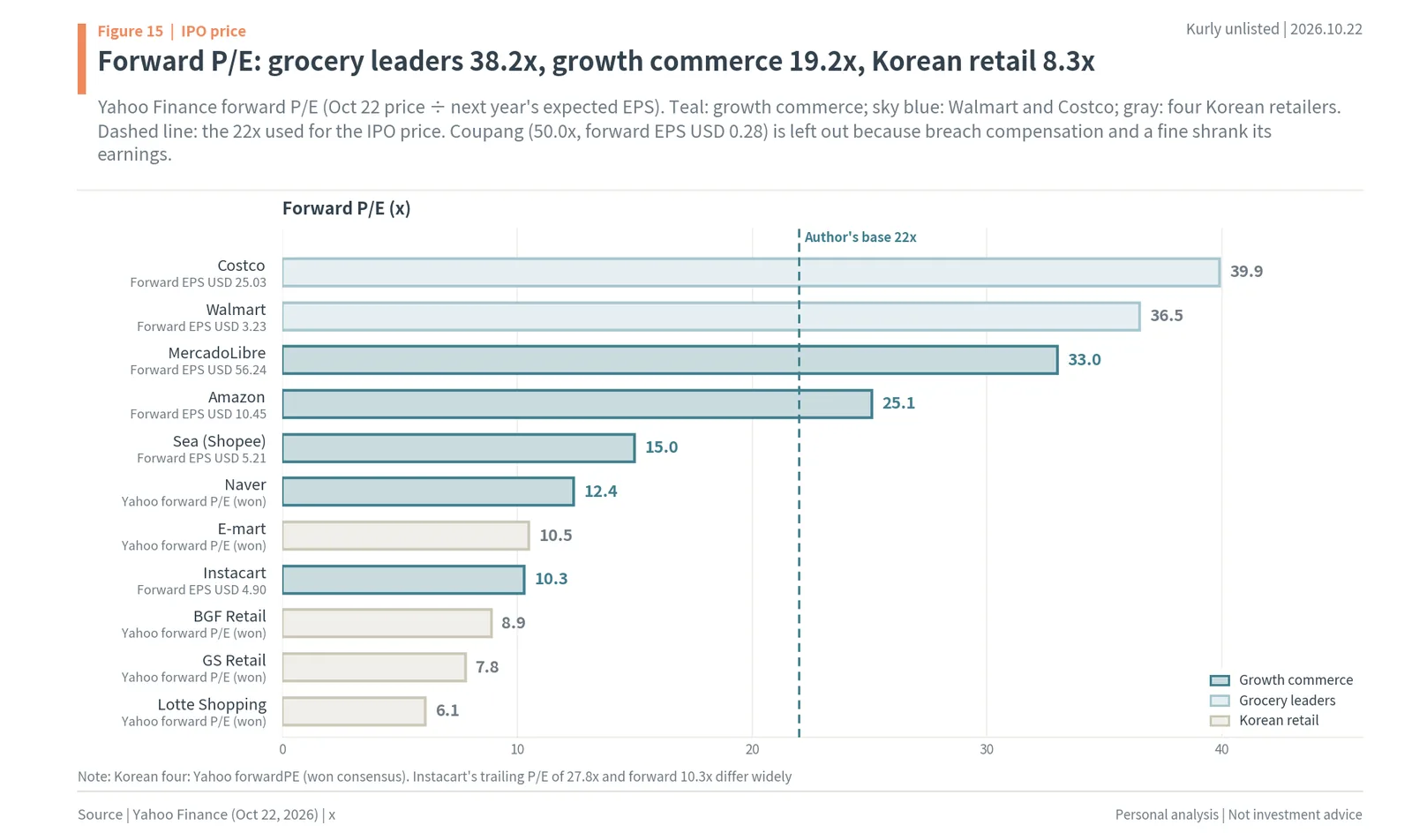
The author uses 22x as the base. Kurly is a platform whose GMV grows in the 20s, so it should not be valued like Korean retailers at 8x, but with an operating margin of 3-4% there is no basis yet for the 38x of long-proven grocery leaders such as Walmart and Costco. The value sits between the growth-commerce average (19.2x) and Amazon (25.1x). The bear case uses 15x and the bull case 30x. The discount is 25%.
Three branches: bear KRW 0.93tn, base KRW 2.24tn, bull KRW 4.34tn
In the base case, 2027 net profit of KRW 135.6bn times 22 gives a fair market cap of KRW 2.98tn, and a 25% cut gives an IPO market cap of KRW 2.24tn (about USD 1.70bn). Divided by 43,700,161 issued shares, that is KRW 51,200 a share (author’s calculation), about USD 38.74. The bear case is KRW 82.6bn × 15 × 0.75 = KRW 0.93tn (KRW 21,300), the bull case KRW 192.7bn × 30 × 0.75 = KRW 4.34tn (KRW 99,200). Per-share values exclude the new shares to be sold in the IPO; the proceeds raise market cap by about as much, so the per-share value changes little. Each part of the formula moves the value by a known amount. Each extra turn of P/E adds KRW 101.7bn of IPO market cap, or KRW 2,327 a share; a discount 5 points smaller adds KRW 149.2bn, or KRW 3,413 a share (author’s calculation). To lift the IPO price to Naver’s KRW 66,148, the P/E would have to rise to nearly 28x or the discount nearly disappear. Base KRW 135.6bn × 22x × 0.75 = an IPO market cap of KRW 2.24tn, KRW 51,200 a share, is the central number of this report.
Moving P/E and profit together: Anchor’s cost is on the high side of the surface
Three branches leave gaps, so the author drew a surface that moves P/E (10-40x) and 2027 net profit (KRW 60bn-220bn) together. Its height is the IPO market cap after a 25% discount. At 22x on KRW 135.6bn = KRW 2.24tn, and a bold line marks the height of Anchor’s cost, KRW 2.89tn. Only above and to the right of that line, with a higher P/E or larger profit, can the largest shareholder exit at cost. The base point sits below it.

20,000 simulation runs: median KRW 2.14tn, 14.4% above Anchor’s cost
Finally, profit, P/E and the discount were moved together. 2026 sales (bear to bull), 2027 growth (6-24%), operating margin (2.5-6.0%), P/E (12-34x, centered on 22x) and the discount (20-35%) were each drawn from a distribution, and the IPO market cap was calculated 20,000 times. The median was KRW 2.14tn (KRW 49,100 a share), and eight runs in ten fell between KRW 1.43tn (KRW 32,800) and KRW 3.06tn (KRW 70,000). Runs above KRW 2tn were 59.3%, and above Anchor’s cost of KRW 2.89tn 14.4%. Only 1.4% fell below the off-exchange market cap of KRW 1.08tn. The simulation median is KRW 2.14tn (KRW 49,100), and 14.4% of runs clear Anchor’s cost.

The result says two things. If Kurly lists on 2027 profit, an IPO price around KRW 50,000 is the most plausible. And that price is about twice the off-exchange price (KRW 24,700) but short of the company’s KRW 74,000 and Anchor’s cost of KRW 66,100. In numbers, an IPO price around KRW 50,000 fits 2027, and the company’s KRW 74,000 borrows a year of profit ahead. There are only two ways to close the gap: list after giving up valuation, or wait until profit catches up with the price. The next chapter looks at two companies that took the first path.
8. Down-round IPOs before Kurly: Instacart and Ocado are above their IPO prices
Instacart listed at a quarter of its last private value
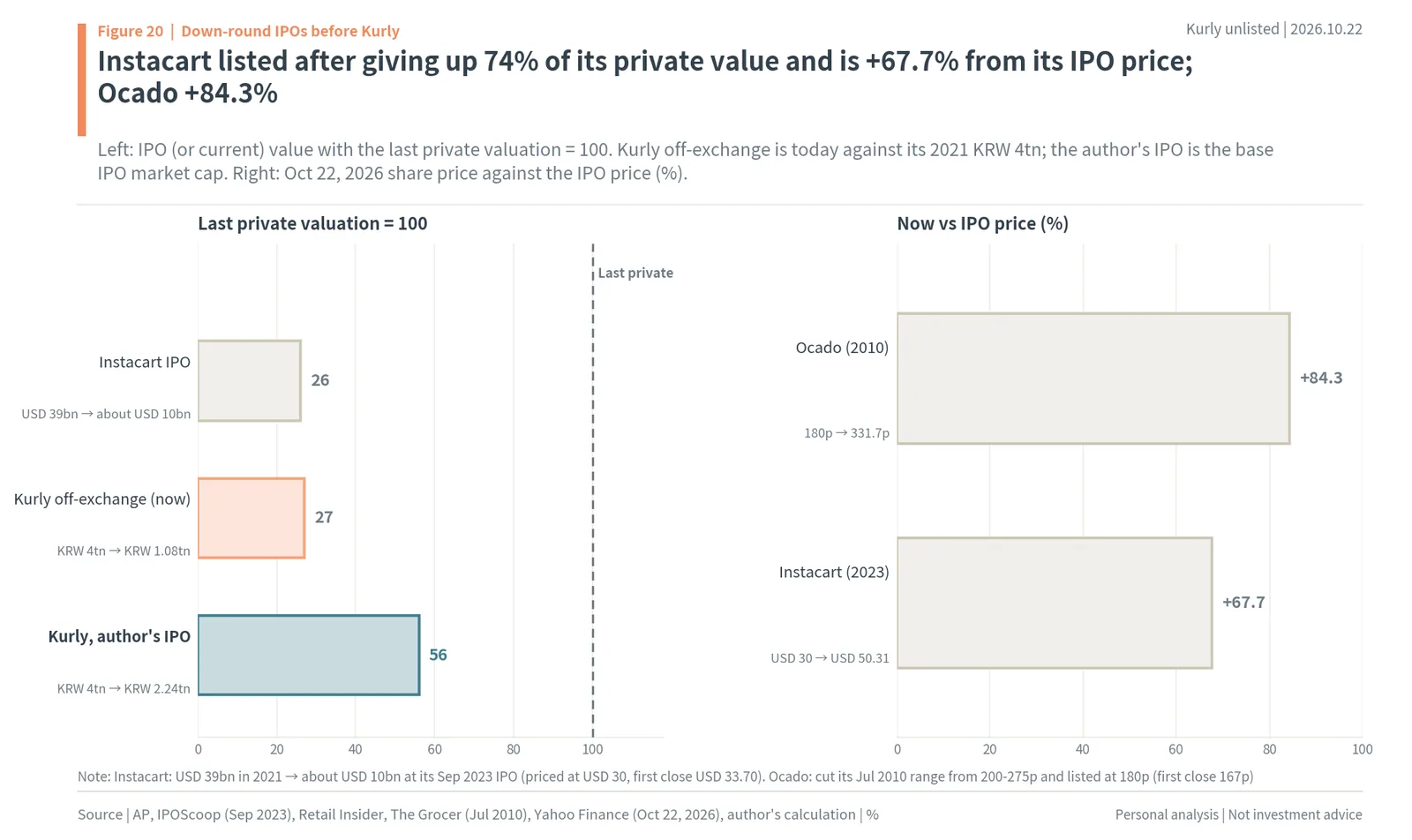
Restated in numbers, the Instacart story from the opening goes like this. The USD 39bn valuation of the early-2021 private round became about USD 10bn at the September 2023 IPO, about 26% of the last private value, an IPO that gave up 74% of it (author’s calculation). The IPO price was USD 30, the top of the range; on the first day the shares opened at USD 42, reached USD 42.95 intraday and closed at USD 33.70 (IPOScoop). After ups and downs they stood at USD 50.31 on October 22, 2026, 67.7% above the IPO price. Instacart’s forward P/E is 10.3x (on forward EPS of USD 4.90). The author reads this as the market valuing it as a profitable intermediary rather than a growth stock.
Ocado cut its range and listed at 180p
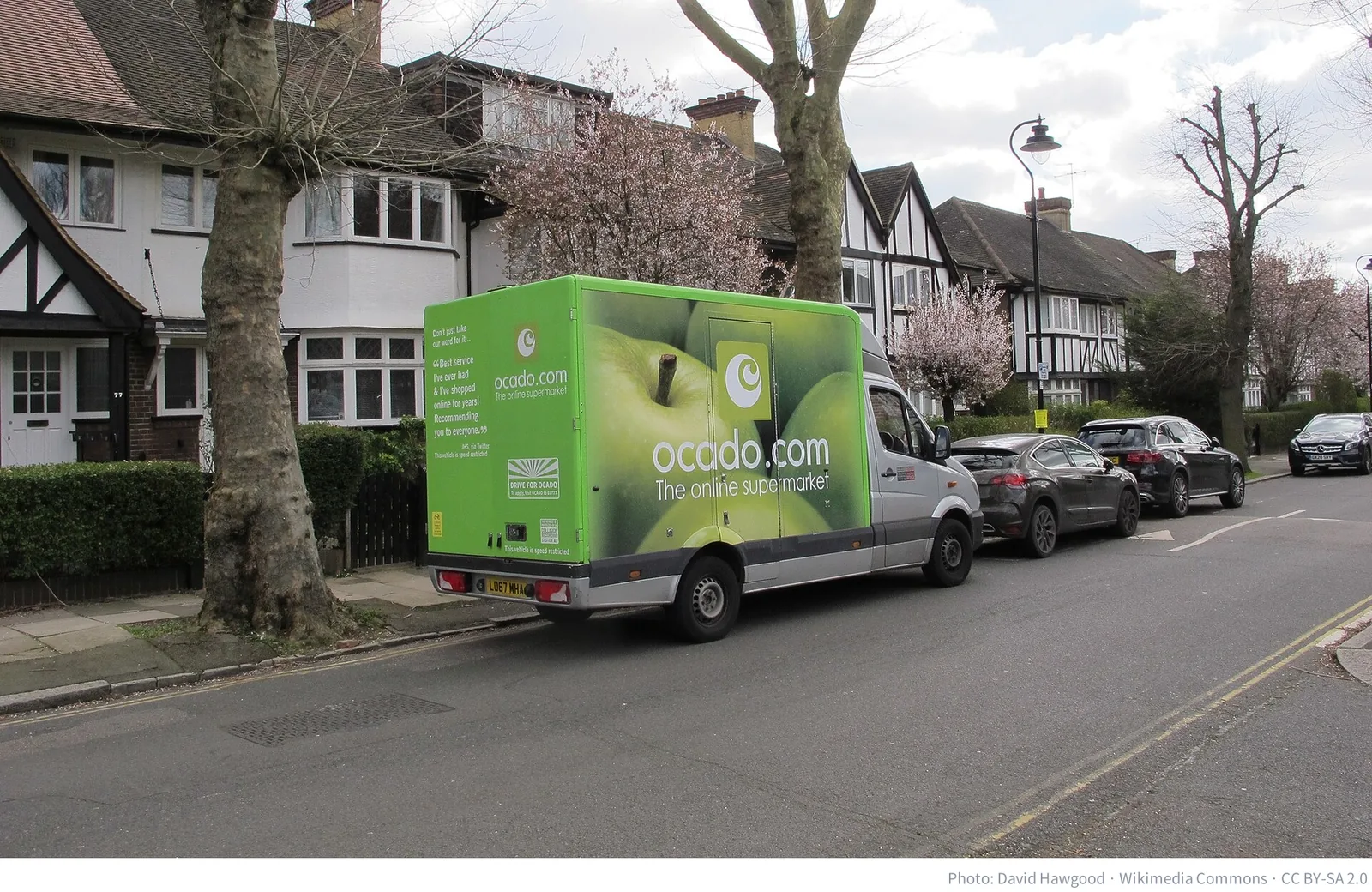
The British online grocer Ocado is an older case. Ahead of its July 2010 London listing it set a range of 200-275p, cut it to 180-200p when demand fell short and finally listed at the bottom, 180p. It raised £200mn from new shares and listed at a market value of £937mn, and its first close was 167p, below the offer price. Press reports citing Bloomberg data called it the worst first day of any London listing since June 2008. Over the following 16 years the shares swung widely, and on October 22, 2026 they stood at 331.7p, 84.3% above the IPO price.
In Korea, waiting was the choice: Oasis withdrew when it could not get its price
Korea’s dawn-delivery sector has the opposite precedent. Oasis Market filed a registration statement for a KOSDAQ listing in January 2023 with an offer range of KRW 30,500-39,500 and an expected market value of KRW 967.9bn to KRW 1.25tn. But most institutions in the book-building bid far below the range, and Oasis withdrew its listing in February 2023. In the same period Kurly, too, postponed its IPO in January 2023 ahead of the six-month validity limit of the approval it received in August 2022. Both companies chose not to list when they could not get the price they wanted.
Applied to Kurly
With Kurly’s 2021 valuation of KRW 4tn set at 100, today’s off-exchange market cap is 27 and the author’s base IPO market cap (KRW 2.24tn) is 56 (author’s calculation), well above the 26 Instacart accepted. It would still be an IPO that gives up nearly half its value. At an IPO price of KRW 51,200, Anchor’s 2022 shares (KRW 99,839) are under water and its 2023 convertible shares (effective KRW 35,829) are above cost; for Anchor as a whole the price is 77% of its average cost of KRW 66,099 (author’s calculation). Instacart listed after giving up 74% of its private value and is +67.7% from its IPO price; Ocado is +84.3%. Whether Kurly waits like Oasis or lists at a matched price like Instacart depends on its largest shareholder’s arithmetic. The next chapter looks at that arithmetic with a timetable.
9. When: the base case is the second half of 2027; holding out for KRW 74,000 means 2028
The listing clock has not started
A KOSPI listing begins with a preliminary listing review filed with the Korea Exchange. After approval the company must file a registration statement with the Financial Supervisory Service within six months, then run book-building and the subscription before listing. Kurly filed for the review on March 28, 2022 and was approved on August 22. Edaily reported that the review, usually about two months, took about five in Kurly’s case. Kurly postponed its listing on January 4, 2023, before the approval expired. This time even the first step has not been taken. As of October 22 the author found no filing or report that Kurly had filed for the review again. Invest Chosun (May 15) reported that Kurly had begun talks on a renewed IPO with its lead managers (NH Investment & Securities, Korea Investment & Securities and JPMorgan, with JPMorgan doing most of the work), and Korea Financial News (September 3) reported that the company was watching the market to choose its timing and had not set a schedule.
The company speaks in two layers. When announcing its first annual profit in March, CFO Kim Jong-hoon said it would not “suddenly” change its listing plans just because the numbers had improved (Sisa Journal-e), and at the Q1 results in May he said it would firm up and speed up its IPO roadmap (Money Today). The message reads as: no rush, but preparation. Its actions are clearer than its words. From Naver’s new shares in May (KRW 66,148) to the 1z Labs swap in June (KRW 66,148) and the Next Kitchen swap in October (KRW 74,000), the company priced its own shares three times in five months. The author reads this as raising a reference price before listing and filling in a story of AI and in-house manufacturing.
Timing depends on which year’s profit can match Anchor’s cost
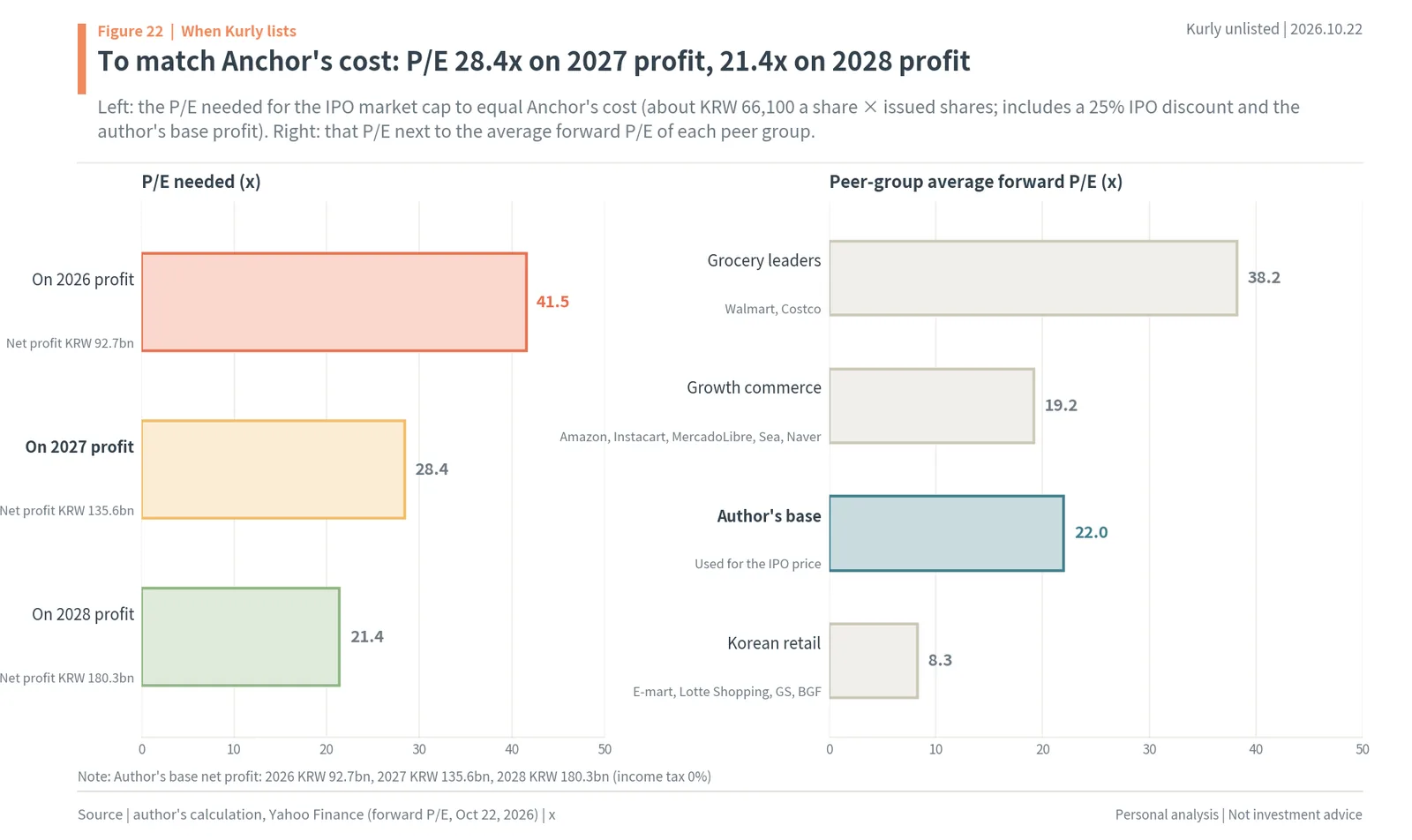
Chapter 7’s conclusion translates into a timetable. For the IPO market cap to equal Anchor’s cost (KRW 2.89tn), with a 25% discount and the author’s base profit, the P/E needed is 41.5x on 2026 profit (KRW 92.7bn), 28.4x on 2027 profit (KRW 135.6bn) and 21.4x on 2028 profit (KRW 180.3bn) (author’s calculation). 41.5x is above even Walmart and Costco (average 38.2x). 28.4x is above the growth-commerce average (19.2x) but below the grocery leaders. 21.4x is almost the 22x the author used for the IPO price. To match Anchor’s cost: P/E 28.4x on 2027 profit, 21.4x on 2028 profit.
Three paths: fast 25%, base 45%, late 30%
The author sees three paths. The fast path is to file for the review in December or January with Q3 results attached and, after five months or so of review, list between May and July 2027. The base profit would then likely be 2026’s, so the IPO would not work without a large price cut. The author puts it at 25%.
The base path is to file in the second quarter after the 2026 audit report (March) and list between September and December 2027. Kurly would show its first “full profitable year,” with operating profit around KRW 100bn, in audited numbers, confirm with first-half 2027 results that growth continues, and then be valued on 2027 profit. The author puts it at 45%, for three reasons. The company has said it will not rush; with net cash of KRW 350.9bn (ex-leases) it does not need money; and in the first half of 2026 Korea’s IPO market saw only 17 new listings (55.3% fewer than a year earlier) with few large deals (Herald Economy). The same article noted that 14 of the 17 priced at or above the top of their range. In a market where companies with demand get the upper price, entering after another year of results is Kurly’s way to be priced higher.
The late path is to wait for 2028 profit to hold a price around KRW 74,000. A P/E of 21.4x would then match Anchor’s cost, but growth and margins would have to follow the author’s base case through 2028. The author puts it at 30%. Base path 45%: file after the 2026 audit → list Sep-Dec 2027 is the central scenario of this report.

Applying the same 22x and 25% discount to each path’s profit makes the differences concrete. On the fast path’s 2026 net profit of KRW 92.7bn, the IPO market cap is KRW 1.53tn, KRW 35,000 a share. On the base path’s 2027 net profit of KRW 135.6bn, KRW 2.24tn and KRW 51,200. On the late path’s 2028 net profit of KRW 180.3bn, KRW 2.97tn and KRW 68,100, above both Naver’s price and Anchor’s cost (author’s calculation). Each year of waiting adds KRW 16,000-17,000 to the IPO price, so for a company that does not need cash and a largest shareholder protecting its cost, waiting is itself worth money. If the IPO market heats up and peer P/Es rise, the same profit matches the cost earlier, pulling the base path toward the fast one.
So the author’s answer is this. The most plausible picture is a listing in the second half of 2027 at an IPO market cap of about KRW 2.2tn (low KRW 50,000s a share). That is about twice the off-exchange price (KRW 24,700) but 77% of Anchor’s average cost, so for the largest shareholder to accept it, it must believe the shares will rise above cost after listing. If it does not, the listing slips to 2028. The distance between Kurly’s KRW 74,000 and the KRW 50,000 the numbers say is the time left until listing.
10. Dates to watch: Q3 results and the review filing are the next two links
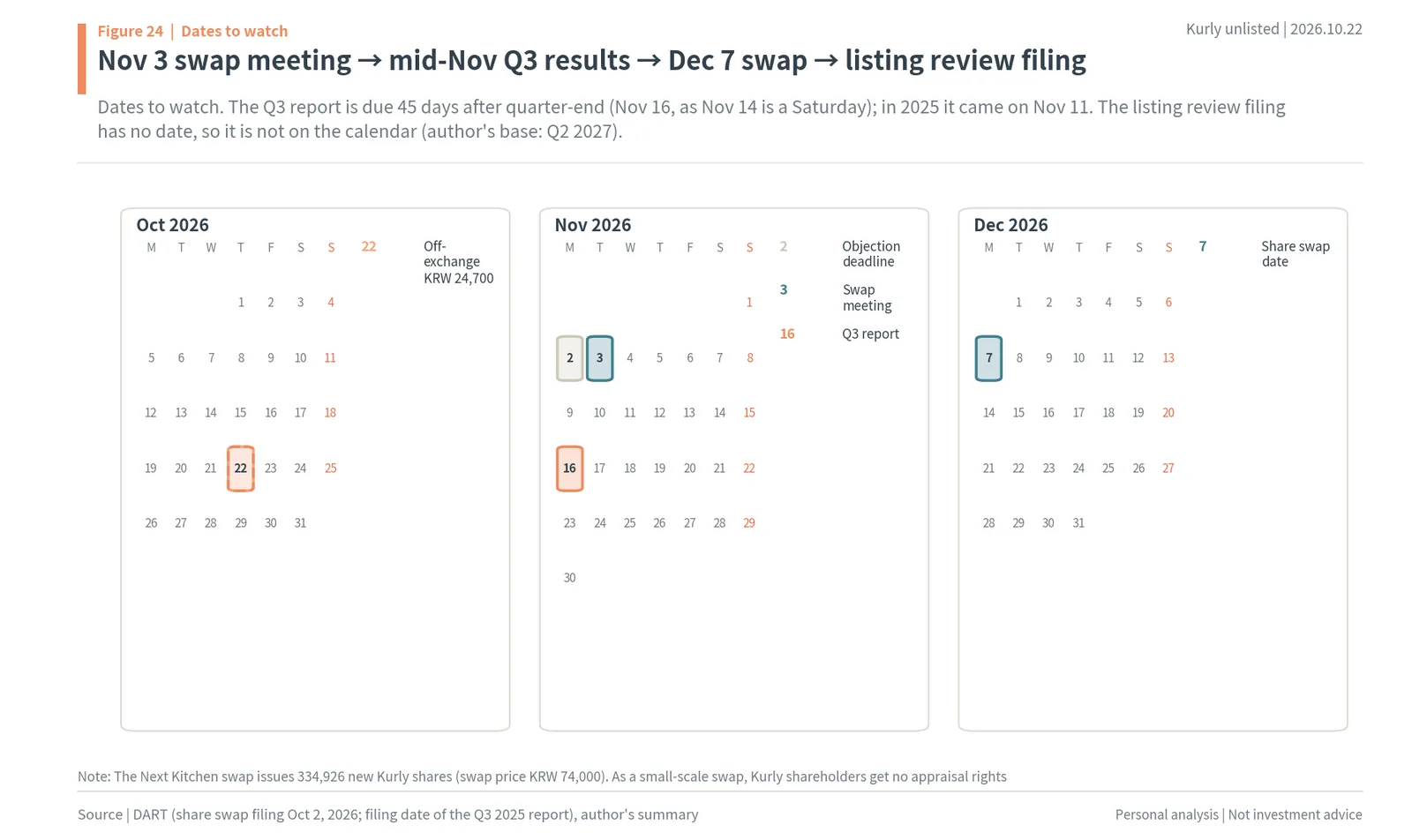
The nearest date is the Next Kitchen share swap. Objections are accepted until November 2, Next Kitchen holds its shareholder meeting on November 3, and the swap takes place on December 7. As a small-scale swap it gives Kurly shareholders no appraisal rights, and 334,926 new Kurly common shares will be issued. Once it closes, the KRW 74,000 will stand as a price used in an actual transaction.
Next come Q3 results. The quarterly report is due 45 days after quarter-end, which is November 16 because November 14 is a Saturday; in 2025 it was filed on November 11. The author’s base case is sales of KRW 735bn (+27.0% year on year) and operating profit of KRW 27bn. Three numbers matter: whether operating profit continues for a seventh straight quarter, whether sales growth stays in the 20s even with Coupang’s customers back, and how much Kurly N Mart and 3P grew within GMV. On margins, the question is whether the SG&A ratio stays around 30% after 29.8% in Q1 and 31.5% in Q2, and whether gross margin stays near Q2’s 35.3%. The quarterly report carries the shareholder distribution and stock option tables like the half-year report, so the author will also check whether the 1z Labs swap has closed, the number of issued shares and changes in holders above 5%. A move in the largest shareholder’s stake would also be a sign of listing preparation.
Then comes the filing for the listing review. Its date is not set, so it is not on the calendar; the author’s base case is Q2 2027. A filing in December or January would mean the fast path, and a filing after the second half of 2027 the late path. Nov 3 swap meeting → mid-Nov Q3 results → Dec 7 swap → listing review filing is the order.
The off-exchange price is also a signal. It fell from KRW 37,100 on May 15 to KRW 24,700 on October 22. Once the listing clock starts, the off-exchange price follows the IPO price. The more news fixes the timing, such as lead-manager due diligence or the review filing, the closer the author expects the off-exchange price to move toward the base IPO price of KRW 51,200 (author’s view).
11. Summary: the distance between KRW 74,000 and KRW 50,000 is the time left until listing
The thread of this report runs in one line. Kurly finished its three fulfillment centers in Gimpo, Changwon and Pyeongtaek by 2023 and then built no new ones while loading more orders. The SG&A ratio fell and, with more 3P commissions, gross margin rose, giving six straight quarters of operating profit from Q1 2025. In 2026 a new door opened at Naver with Kurly N Mart, the Coupang incident overlapped, and sales growth jumped to 28.4% and 27.0%; even in Q2, when Coupang’s customers came back, growth did not break.
That growth lifted the price the company puts on its own shares. A company that bought its own shares at KRW 15,286 in spring 2025 sold new shares to Naver at KRW 66,148 in May 2026 and bought an affiliate at KRW 74,000 in October. Anchor’s average cost (KRW 66,099) is nearby. Off-exchange, where about KRW 19.71mn changes hands a day, the shares trade at KRW 24,700.
The IPO market will price Kurly somewhere in between. With 2027 base net profit of KRW 135.6bn, a 22x peer P/E and a 25% IPO discount, the IPO market cap is KRW 2.24tn, KRW 51,200 a share. The median of 20,000 simulation runs is KRW 2.14tn, and 14.4% of runs clear Anchor’s cost. So Kurly will either give up valuation and list in the second half of 2027 (the author’s base case, 45%) or wait until 2028 profit supports KRW 74,000. Instacart took the first path and is 67.7% above its IPO price; Kurly in 2023 and Oasis took the second. The distance between Kurly’s KRW 74,000 and the KRW 50,000 the numbers say is the time left until listing.
12. Calculation basis
The numbers in this report come from only two places. Numbers taken from filings, articles and company releases carry their source; numbers the author calculated are marked “author’s calculation,” and numbers with assumptions “author’s estimate.” The calculations follow the rules below.
Financials are DART consolidated statements. Quarterly figures use the three-month figures in the Q1, half-year and Q3 reports, and Q4 is the annual figure less the nine-month total. Gross margin, the SG&A ratio and the operating margin are against consolidated sales. “Per KRW 100 of sales” for the first half of 2026 is against first-half consolidated sales of KRW 1.48tn, and the turnaround bridge is the difference in gross margin and SG&A ratio between full-year 2024 and the first half of 2026. Net cash is June-end cash of KRW 201.9bn + short-term other financial assets of KRW 166.2bn + long-term financial assets of KRW 4.8bn − short- and long-term borrowings of KRW 22bn; lease liabilities of KRW 354.1bn are excluded.
GMV is from the company’s results releases. Q3 2025 (KRW 870.5bn), Q1 2026 (KRW 1.0891tn), Q2 2026 (KRW 1.0786tn) and full-year 2025 (KRW 3.534tn) are disclosed; Q1 and Q2 2025 are the same quarters of 2026 divided by the disclosed growth (29% and 25.1%), and Q4 2025 is the full year less the other quarters. Full-year 2024 is 2025 ÷ 1.135.
Shares are the 42,911,707 issued at the end of June plus 453,528 shares for the 1z Labs swap (245,975 × 1.8437990) and 334,926 for the Next Kitchen swap, 43,700,161 in all. The 1z Labs swap date was not confirmed in filings and is treated as completed. The share count the off-exchange platform uses (market cap ÷ current price, about 43,733,263) differs by 0.1%. Treasury shares (594,057) and unexercised options (918,361) are not used in per-share values. Anchor’s average cost is the KRW 250bn of 2022 new shares (2,504,030) plus KRW 100bn of 2023 convertible shares (1,511,761 × 1.8462343 = 2,791,065), KRW 350bn ÷ 5,295,095 shares; the 400,820 shares bought separately off-exchange are excluded. Naver’s average is KRW 43bn of existing shares (Dealsite) plus KRW 33bn of new shares divided by 2,650,658 shares.
The off-exchange price is Npay Securities’ daily trade price (January 24, 2022 to October 21, 2026, 1,161 trading days) and the 24,700 won current price at 5:46 pm on October 22. Weekly values in the chart are each week’s last trade. Prices differ across platforms (May 15: Invest Chosun KRW 28,000, Npay KRW 37,100).
Earnings forecast: Q3 and Q4 2026 sales and operating profit are KRW 710bn and KRW 20bn / KRW 730bn and KRW 17bn (bear), KRW 735bn and KRW 27bn / KRW 770bn and KRW 26bn (base), and KRW 760bn and KRW 32bn / KRW 810bn and KRW 33bn (bull). 2027 growth and operating margin are 8% and 3.0% (bear), 15% and 4.3% (base) and 22% and 5.5% (bull); 2028 are 6% and 3.2%, 12% and 5.0%, and 18% and 6.5%. Net profit = operating profit − net finance cost (KRW 3bn a quarter), with income tax at 0%. The comparison at a 22% tax rate is in chapter 6.
IPO price: IPO market cap = 2027 net profit × P/E × (1 − 25%), and per-share value = IPO market cap ÷ 43,700,161 shares (rounded to KRW 100). New IPO shares are excluded. Peer P/E is Yahoo Finance forwardPE (October 22), and group averages are simple averages. The surface spans P/E of 10-40x (in steps of 2) and 2027 net profit of KRW 60bn-220bn (in steps of KRW 10bn). The simulation has 20,000 runs; 2026 sales (triangular, bear/base/bull as minimum/mode/maximum), 2027 growth (6-24%, mode 15%), operating margin (2.5-6.0%, mode 4.3%) and P/E (12-34x, mode 22x) are triangular, and the discount (20-35%) uniform (random seed 408480). The P/E that matches Anchor’s cost is Anchor’s average cost × 43,700,161 shares ÷ (net profit × 0.75). Dollar figures use KRW 1,321.51 per dollar, the October 22, 2026 rate (Yahoo Finance).
The path probabilities (fast 25%, base 45%, late 30%) are the author’s view. Listing timing for each path adds Kurly’s 2022 review period (about five months) to the registration statement and book-building period. Instacart and Ocado returns from their IPO prices use Yahoo Finance closes on October 22, excluding dividends.
Kurly IPO: frequently asked questions
Q. When will Kurly (Market Kurly) go public?
Kurly has not filed for a new KRX listing review as of October 22, 2026; it is in talks with its lead managers (NH Investment & Securities, Korea Investment & Securities and JPMorgan). The author’s base case (45%) is to file after the 2026 audit report and list between September and December 2027. A fast path (25%) would file in December or January and list in May to July 2027; a late path (30%) would wait for 2028 profit.
Q. What could Kurly’s IPO price be?
On the author’s 2027 net profit estimate of KRW 135.6bn, a 22x peer P/E and a 25% IPO discount, Kurly’s IPO market cap is KRW 2.24tn, or KRW 51,200 a share on 43,700,161 shares. The bear case is KRW 21,300 and the bull case KRW 99,200. In 20,000 simulation runs the median was KRW 2.14tn (KRW 49,100), and eight in ten runs fell between KRW 1.43tn and KRW 3.06tn.
Q. Why does Kurly value its own shares at KRW 74,000 when they trade at KRW 24,700?
The KRW 74,000 is the price Kurly set for its shares in the October 2, 2026 share swap with its affiliate Next Kitchen, after Naver bought new shares at KRW 66,148 in May. The KRW 24,700 is the October 22 trade price on the Npay Securities unlisted market, where about 740 shares a day changed hands over the last 61 trading days. The off-exchange price carries the risk of further delay and low liquidity.
Q. Is Kurly profitable?
Yes. Kurly posted its first annual operating profit of KRW 13.1bn in 2025, and in the first half of 2026 sales were KRW 1.48tn and operating profit KRW 51.6bn, its sixth straight profitable quarter. Its gross margin rose from 31.8% in 2024 to 34.2% and its SG&A ratio fell 1.9 percentage points as more orders, including 3P sales, went through the same three fulfillment centers.
Q. What is Kurly N Mart and how does Naver fit in?
Kurly N Mart is a grocery store inside the Naver Plus Store that opened in September 2025 and ships from Kurly’s centers. Its monthly GMV grew about tenfold in a year. Naver bought about KRW 43bn of existing Kurly shares in July 2025 and KRW 33bn of new shares in May 2026, and owns 6.18%.
Q. Who owns Kurly?
Eight holders above 5% own 64.08%. The largest is MKG Asia (13.27%), owned by Anchor Equity Partners’ Fund IV, whose average cost is about KRW 66,099 a share (author’s calculation). Six investment funds together hold 52.28%, Naver 6.18% and CEO Sophie Kim 5.62%.
Sources
- DART, Kurly Inc., Half-year report (Jun 2026) (link), Aug 12, 2026; quarterly and annual reports (Sep 2023 – Mar 2026)
- DART, Kurly Inc., Material filing: decision on a rights issue (link), May 6, 2026
- DART, Kurly Inc., Material filings: share swap decisions (link), Jun 1, 2026; (link), Oct 2, 2026
- Kurly newsroom, Q2 operating profit of KRW 27.4bn (link), Aug 12, 2026; Kurly N Mart first anniversary (link), Oct 7, 2026
- Money Today, Kurly’s first annual operating profit (link), Mar 4, 2026; Q1 results (link), May 11, 2026
- Korea Economic Daily, Kurly swings to a Q1 net profit (link), May 11, 2026
- Byline Network, Kurly’s first net profit (link), Nov 11, 2025
- Sisa Journal-e, Kurly near a renewed IPO (link), Mar 20, 2026
- Invest Chosun, Kurly restarts its IPO; off-exchange value KRW 1.2tn (link), May 15, 2026
- Korea Financial News, A new formula for Kurly’s IPO value (link), Sep 3, 2026
- Seoul Economic Daily, Kurly’s listing bid stalls (link), Jan 22, 2026
- Dealsite, Kurly restarts its IPO: gains and losses of the Naver tie-up (link), 2026; The Elec, Naver buys into Kurly (link), Sep 23, 2025
- Edaily, Kurly’s KOSPI listing review approved (link), Aug 2022
- Financial News, Coupang’s Q1 loss after the data breach (link), May 6, 2026; Money Today, Coupang Inc. Q2 (link), Aug 5, 2026
- Herald Economy, IPO volume halves but 8 in 10 price at the top (link), Jun 30, 2026
- Money Today, Oasis Market files its registration statement (link), Jan 12, 2023; Daily Byte, Oasis Market withdraws its listing (link), Feb 14, 2023
- AP (News4Jax), Instacart sets IPO price at $30 a share (link), Sep 18, 2023; IPOScoop, Instacart jumps in its Nasdaq debut (link), Sep 19, 2023
- Retail Insider, Ocado surprises nobody with IPO price cut (link), Jul 2010; The Grocer, Ocado share price tumbles on debut (link), Jul 2010
- Npay Securities unlisted market, Kurly prices (link), Jan 24, 2022 – Oct 22, 2026
- Yahoo Finance peer forward P/E and forward EPS, Instacart and Ocado share prices, USD/KRW (Oct 22, 2026), author’s calculations
- Photos: Phillip Pessar (CC BY 2.0), revi (CC BY 2.0 KR), Evan-Amos (public domain), Bonnielou2013 (CC BY-SA 4.0), David Hawgood (CC BY-SA 2.0), Narubaru7 (CC BY 4.0), via Wikimedia Commons
Disclaimer
This report records the author’s personal analysis and views based on public information and does not recommend any particular product or company. It does not recommend buying or selling any financial investment product and is not an investment advisory or quasi-investment advisory service.
Kurly is an unlisted company, and its off-exchange price is the trade price on a thinly traded platform that may differ from a price at which shares can actually be traded. The listing date and IPO price are not set or announced by the company. Figures are those in public filings and reports at the time of writing and may change later. Accuracy and completeness are not guaranteed.
The earnings forecast, IPO market cap and price, path probabilities, the surface and the simulation are the author’s estimates based on the assumptions stated in the text and in “Calculation basis,” not a consensus. If the assumptions do not hold, the results differ. Items marked “author’s calculation,” “author’s estimate” or “author’s view” are the author’s calculations and assumptions, not confirmed facts.
Author’s interests: not disclosed
Responsibility for decisions and their outcomes lies with the reader.
As of: October 22, 2026
Was this note useful?
Thanks. Your answer helps decide what to cover next.
Korea market snapshot · Oct 23, 2026
New to Korean stocks? Start here for the basics.
Most read
1France Protests 2026: Why Students Are Blocking Schools and Which Stocks Benefit (Munich Re, SCOR)
Get the Saturday note on Korean stocks
One email every Saturday with the week’s new research on Korean listed companies and links to the updated data pages. Built from DART filings and KRX data. Free; unsubscribe in one click. See past issues