Aluko (001780.KS) Stock Forecast: US Solar Tariffs Pay Its Vietnam Frames Now, Its Tennessee Plant Only From 2027, Target KRW 1,620
In November 2018, the US subsidiary of Hanwha Q CELLS asked US Customs and Border Protection a narrow question: were the aluminum pieces that form the edge of a solar module an aluminum product, or a part of the module? On November 16, 2018, Customs answered in ruling N301481 that the long sides, short sides and corners of a module frame are parts of semiconductor devices under heading 8541.90, with a general duty of zero. Eight years later that one line matters more than it did then. When Washington widened its Section 232 aluminum tariff to the full value of imported goods in April 2026, and when it drew up a new Section 232 tariff on polysilicon, wafers, cells and modules that takes effect on December 4, 2026, module frames sat in the “module part” box both times and were left out.
The company that sells those frames to Qcells’ US plants is Aluko (001780.KS), a Korean aluminum extruder whose shares fell from KRW 2,000 on October 22 to KRW 1,251 (about $0.94) on November 18. So with US tariffs rewritten this year, has Aluko actually gained from them, and how much? This report checks the answer against the third-quarter numbers filed on November 16, then looks at the people who will decide what Aluko does with the gain, where US credits and tariffs go after the midterm elections, when the owners have reasons to defend the share price, and how much cheaper Aluko is than its competitors year by year.

This report is the English edition of the author’s Korean note on Aluko’s US solar frame business and tariffs.
As of: November 18, 2026. The share price is the Korea Exchange (KRX) close on November 18 (KRW 1,251), and the market capitalization is KRW 121.1bn (about $91mn) on 96.83 million shares. Financial figures come from Aluko’s third-quarter report filed with DART, Korea’s electronic disclosure system, on November 16, 2026; quarterly figures for subsidiaries are the author’s calculation from cumulative filings (nine months minus half-year). Dollar conversions use KRW 1,332.47 per dollar, the November 18, 2026 rate. Korean amounts in 억원 are shown as KRW bn (one 억원 is KRW 100mn).
Stocks covered: Aluko (001780.KS), with Hanwha Solutions (009830.KS), KPTU (054410.KQ), OCI Holdings (010060.KS), HD Hyundai Energy Solutions (322000.KS), Choil Aluminum (018470.KS) and Namsun Aluminum (008350.KS) for comparison. The KOSPI is the main board of the Korea Exchange and the KOSDAQ its growth board; .KS tickers trade on the KOSPI and .KQ on the KOSDAQ.
Author’s interests: not disclosed.
Topics covered: who runs Aluko and how the shares flow; six habits in the owners’ decision record; the tariff map for frames; the third-quarter check; the cost advantage over competitors by year; US credits and tariffs after the midterms; when the share price needs defending; what the owners are likely to do next and the target price; signals that would change the view; calculation notes.
1. Who runs Aluko: a founder, his brothers and a family-owned billet maker
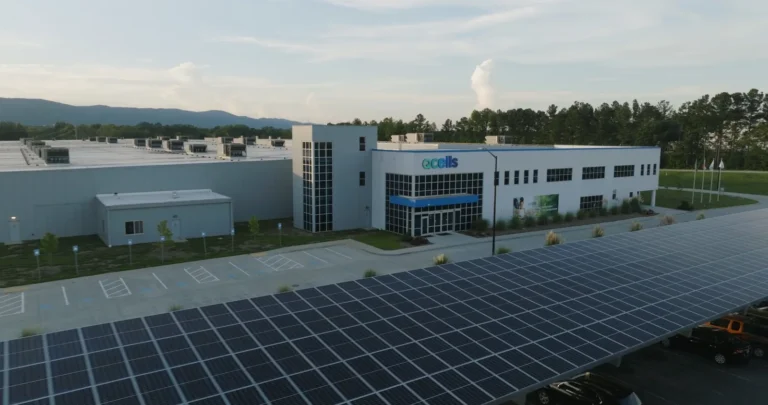
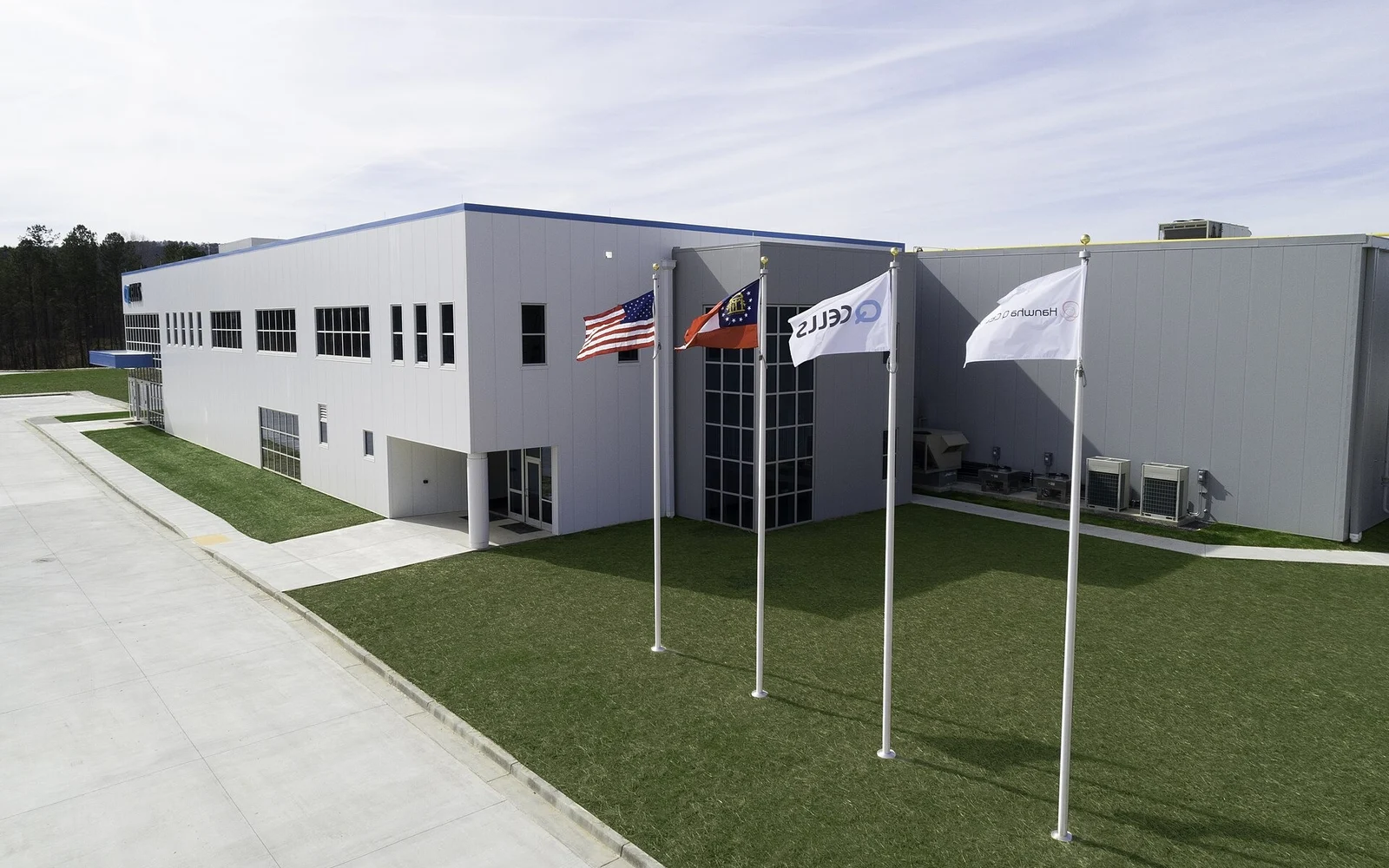
Aluko is an aluminum extruder headquartered in Daejeon. It makes parts for TVs and battery packs, windows and curtain walls, and, increasingly, the aluminum frames that hold solar modules together. It makes those frames in two places: Hyundai Aluminum Vina in Hung Yen, Vietnam, and a new plant in Halls, Lauderdale County, Tennessee, which ships to Hanwha Qcells’ module plants in Dalton and Cartersville, Georgia. The company was founded in 1956 as Dongyang Steel, was delisted in April 2002 after its auditor refused to give an opinion, and returned to the KOSPI on June 7, 2007.
The man who brought it back is Chairman Park Do-bong, born in November 1960 in Geumsan, South Chungcheong. He worked as a heat-treatment technician in Seoul’s Mullae-dong machine-shop district and, in 1988, started a heat-treatment shop with money borrowed from his family (a 2017 interview with Chungcheong Today says half came from his sister-in-law and half from his wife’s jewelry). That shop became KPTU, which listed on the KOSDAQ in 2002. The same year Park bought Dongyang Steel out of court receivership, when KPTU’s sales were roughly a tenth of Dongyang’s. In 2005 he added Hyundai Aluminum, which began as Hyundai Engineering & Construction’s building-materials division, and in 2006 he entered Vietnam.
Today Aluko is run by his younger brother. President Park Jin-woo, born in March 1972, rose through sales and production and ran the Vietnam plant before becoming Aluko’s chief executive in March 2022. Both men are listed as sons in their father’s obituary published in November 2025. Park Jin-woo is also head of the two US entities behind the Halls plant, Alu Materials US Holdings and Alu Materials America (AMA), and of GRT America, the company that will cast billets at the same site. Two other brothers appear in the group’s filings: Park Jun-young, chief executive of Hyundai Aluminum and of KPTU, and Park Seok-bong, a former chief executive of Aluko and of the Vietnam unit. The chairman’s daughter, Park Se-ra (born 1987), is co-chief executive of Alu Materials, the intermediate holding company that owns the Vietnam and US plants. His son, Park Jun-hee (born 1993), holds 15.7% of Alutec and has no management role. His wife, Oh Jeong-ja, holds 10.3% of Alutec. Aluko’s chief financial officer, Yoon Ji-ho (born 1958), is also chief executive of Alutec.
The shares flow through one family company. Park Do-bong owns 42.35% of Alutec; Alutec owns 61.86% of KPTU; KPTU owns 19.11% of Aluko. Alutec also owns 15.03% of Aluko directly and Park himself 10.43%, so the family and its companies hold 46.81% of Aluko. On the US side, Aluko and Hyundai Aluminum together own 50% of Alu Materials, which owns AMA, the Halls extrusion and frame plant. Alutec owns 47.95% of Alu Materials and all of GRT America, the billet caster. In other words, the frame plant is half Aluko’s, and the billet plant next to it belongs entirely to the family.
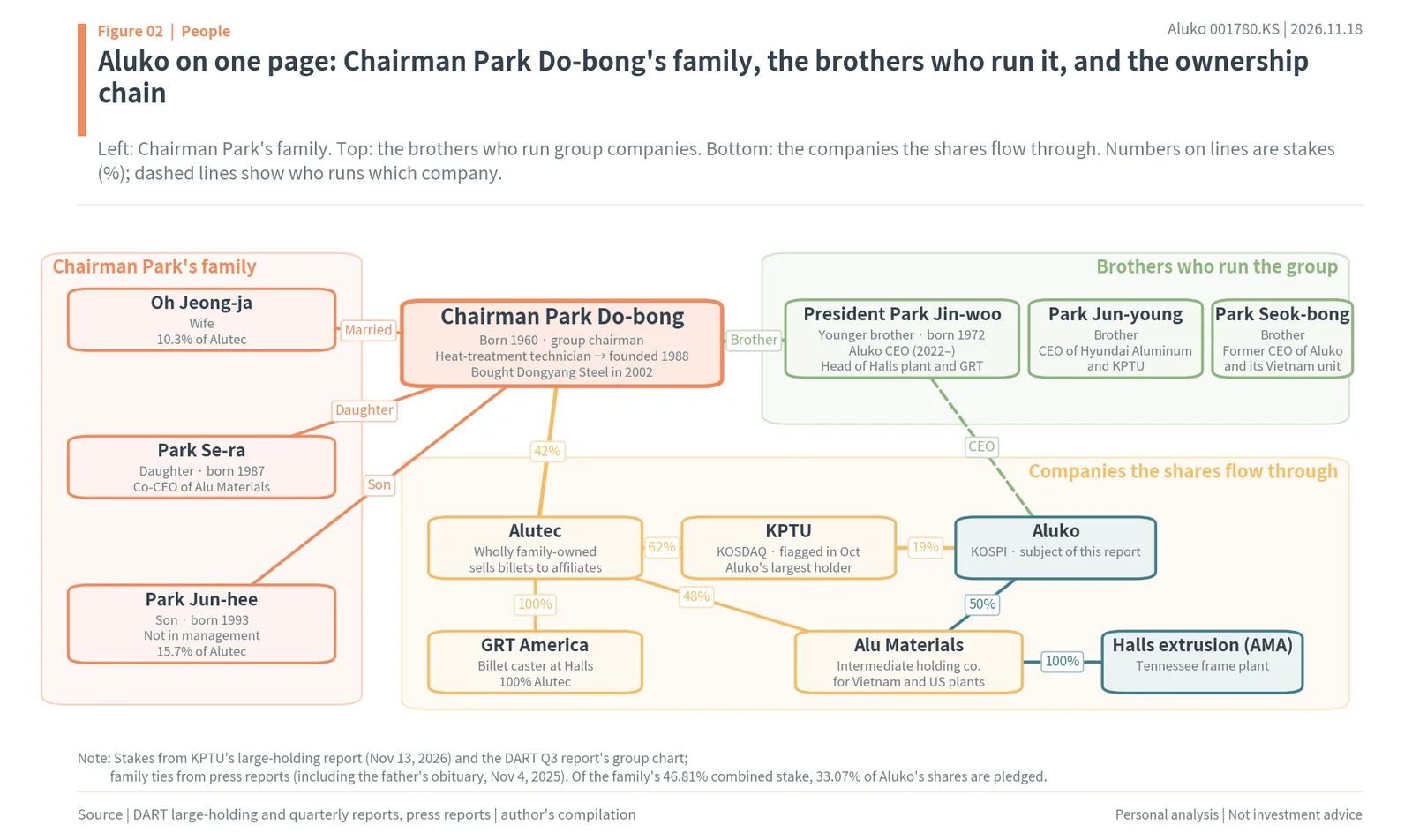
Alutec is the center of gravity. It casts aluminum billets, the cylinders that extruders push through dies, and sells almost all of them to group companies: Asia Economy reported in July 2026 that 96.9% of Alutec’s KRW 87.5bn of 2025 sales went to affiliates, at an operating margin of 8.05% against 1.04% for Aluko’s standalone business. In Halls, the company that will melt scrap into billets for the frame plant is Alutec’s GRT America. So when this report talks about a cost advantage from scrap billets in Tennessee, the first question is how much of it stays with Aluko’s shareholders.
2. Six habits in the owners’ decision record
A person’s intentions cannot be read from filings, but repeated decisions can. Grouping the Park family’s recorded decisions and public statements gives six habits. Each comes with the count of times the record shows it.
Investing early and switching fast
First, they buy companies and assets that others gave up on. Dongyang Steel was bought out of court receivership in 2002; Hyundai Aluminum came from a construction group’s division in 2005; the Halls plant is a converted building that Tupperware once used. Three of the five deals whose terms could be traced fit this pattern.
Second, they go abroad before or alongside their customers: Vietnam in 2006 for TV and mobile parts, Hungary in 2019 for battery cases, a leased plant in Jackson, Tennessee in 2023, and the Halls complex, where ground was broken in December 2025. That is four out of four. In a 2017 interview, Chairman Park put it in his own words: do not hesitate, go to the shop floor, the answer is there.
Third, when a plan breaks they switch quickly. In 2011 a planned merger of Hyundai Aluminum into the listed company was shelved because of high debt. In 2025 a reported Georgia plant gave way to Tennessee. And when BlueOval SK, the Ford and SK On battery joint venture, cancelled a battery-case contract worth about $601mn in December 2025, Aluko turned its second Tennessee building into a solar frame line within about four months; mass production started in April 2026 and the first Qcells delivery followed in May. Three out of three.
Money, pledges and premiums
Fourth, profits build up in the family company while the listed company supplies money. In 2010 Alutec converted a Dongyang Steel convertible bond and took its stake from 0.15% to 15.34%. Group affiliates have lent Alutec money and guaranteed its loans: Aluko’s loans to Alutec rose from KRW 21.7bn at the start of 2026 to KRW 30.8bn at the end of September at 4.6% interest, and Aluko guarantees KRW 13.08bn and $17.98mn of Alutec’s borrowings. Four out of four checks fit.
Fifth, they fund growth with debt and pledged shares rather than new equity. Aluko issued a KRW 32bn private convertible bond in 2019 and a KRW 20bn bond with warrants plus a KRW 12bn convertible bond in 2021; no rights offering appears in the record. In 2026, as the share price fell, the family sold no shares and instead pledged more of them: the pledged portion rose from 28.32% of Aluko’s shares on April 9 to 33.07% on November 13. The latest loan, taken on November 6, carries 5.3% interest.
Sixth, when a share price collapses they pay a premium. In July 2026 KPTU’s market capitalization fell below the KOSDAQ’s new KRW 20bn minimum. On July 15, Alutec launched a tender offer for 1 million KPTU shares at KRW 4,000, a 23.46% premium to the previous close of KRW 3,240, stating that it wanted to raise shareholder value. Only 324,095 shares were tendered, lifting Alutec’s stake from 56.20% to 61.86%. Korean financial papers grouped the deal with other “share-price support” tender offers that year, and the Financial Supervisory Service asked where the money came from; the company said it was Alutec’s billet export income. KPTU was nonetheless placed under exchange administrative supervision on October 8.
One more trait cuts the other way: cash returns to minority shareholders are rare. Aluko has paid no dividend since the 2018 financial year.
The pattern, then, is a family that follows the shop floor and invests early, routes money through debt and its own company, and holds on to its shares. The rest of this report keeps that pattern in mind when asking what tariffs have given Aluko and what the owners will do with it.
3. The tariff map: five routes into Hanwha’s Georgia plants
A module frame is the aluminum rim around a solar panel. It is a small slice of a module’s value, but it is heavy and bulky, so where it is made changes both the tariff and the freight bill.
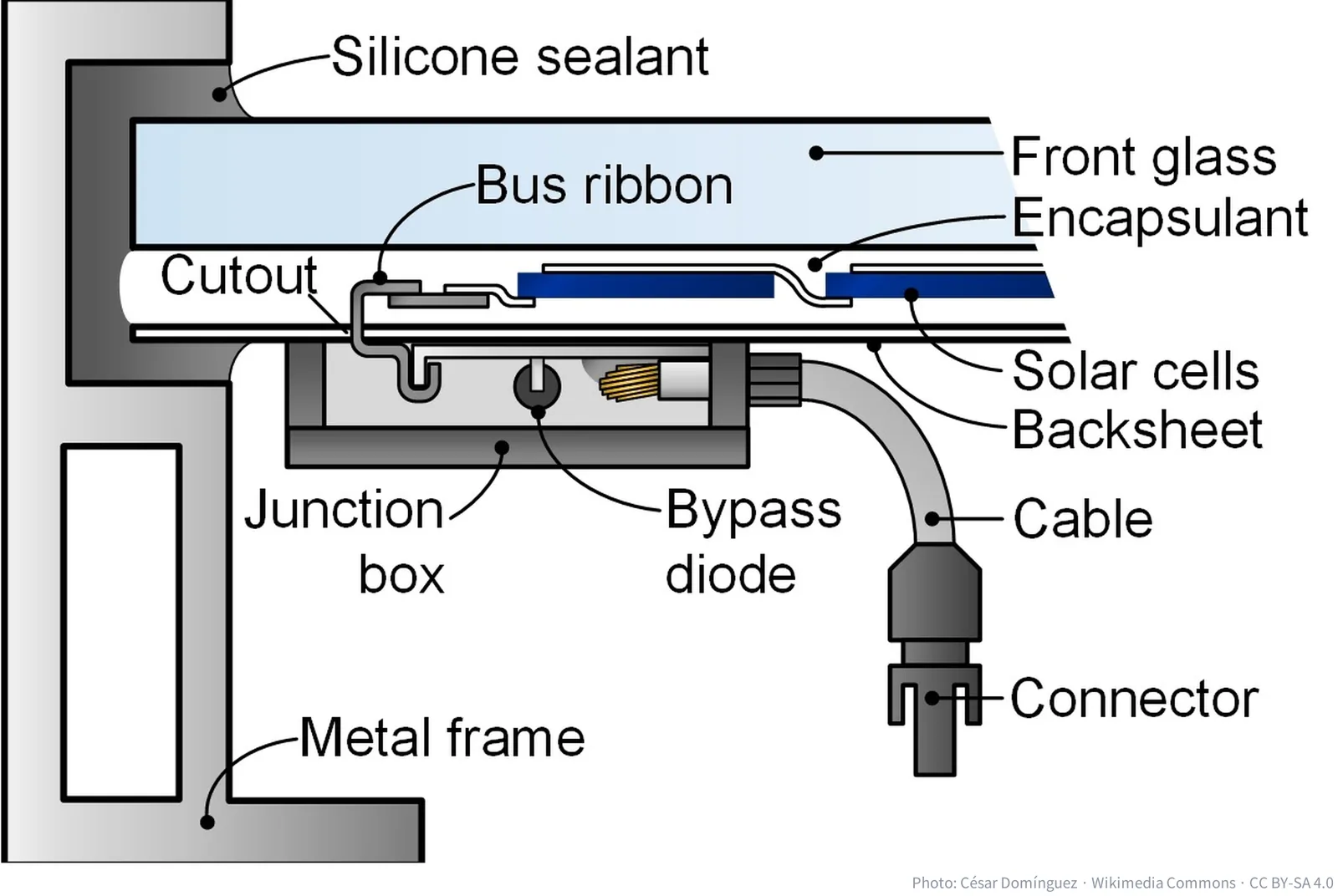
A frame can reach Qcells’ Georgia plants by five routes.
Route 1 is a finished frame from mainland China. The 2011 anti-dumping and countervailing duty orders on Chinese aluminum extrusions, continued in 2022, cover parts for solar panels, with a China-wide anti-dumping rate of 86.01% and an “all others” countervailing rate of 374.15%, on top of the 25% Section 301 tariff. For a US module maker that route is effectively closed.
Route 2 is a finished frame made in Vietnam or elsewhere in Southeast Asia. Because frames are classified under 8541.90, they are listed in Annex II of the June 2026 Section 232 proclamation, the list of goods not subject to the aluminum, steel and copper tariffs, at the eight-digit level. They are also excluded from the 12.5% “forced labor” Section 301 tariff on Vietnam that took effect on July 24, 2026, and they are outside the scope of the December polysilicon tariff, which covers only wafers (3818.00), cells (8541.42) and modules (8541.43). The result is no tariff.
Route 3 is to import extruded aluminum profiles from Southeast Asia and cut and punch them into frames in the US. Profiles fall under heading 7604, which since April 6, 2026 pays the 50% Section 232 tariff on its full value, not just its metal content.
Routes 4 and 5 are frames extruded in the US, from new aluminum billet (route 4) or from billet cast from scrap (route 5). They pay no tariff, but the tariff is already inside the price of US aluminum: the Midwest premium, the regional surcharge US buyers pay on top of the London price, was 108 cents per pound on November 17, or about $2,381 per ton, against roughly $300 in Asia.
Aluko owns both route 2 (Hung Yen, Vietnam) and route 5 (Halls, Tennessee, once its scrap billets arrive). From Halls to Qcells’ Dalton plant is 420 km in a straight line; from the Port of Savannah, where Vietnamese frames land, to Dalton is 467 km (author’s calculation).

So the tariff helps Aluko in two places: it keeps finished frames from Vietnam duty-free and keeps mainland China out. It does not, by itself, make the Tennessee plant competitive; the US plant has to sell on something else.
4. Checking the third quarter: Vietnam grew, Tennessee has only just started
The third-quarter report gives the first quarter in which the Halls entity has meaningful sales, so it is the natural place to test whether tariffs have paid off.
Start with Vietnam. Hyundai Aluminum Vina’s revenue in July to September was KRW 73.97bn, up 35.4% from KRW 54.65bn a year earlier (author’s calculation from cumulative filings). The Hung Yen plant extruded 13,921 tons in the first nine months of 2026, already more than the 12,077 tons it made in all of 2025, and ran at 89.64% of its available hours. Volume has moved toward the duty-free route. One caution: Hyundai VINA’s revenue also includes TV and battery parts, and the filing does not break out frames. The weak third quarter of 2025 also coincided with the months when frames were a Section 232 derivative (August 18, 2025 to April 5, 2026), but the data are too mixed to call that cause and effect.

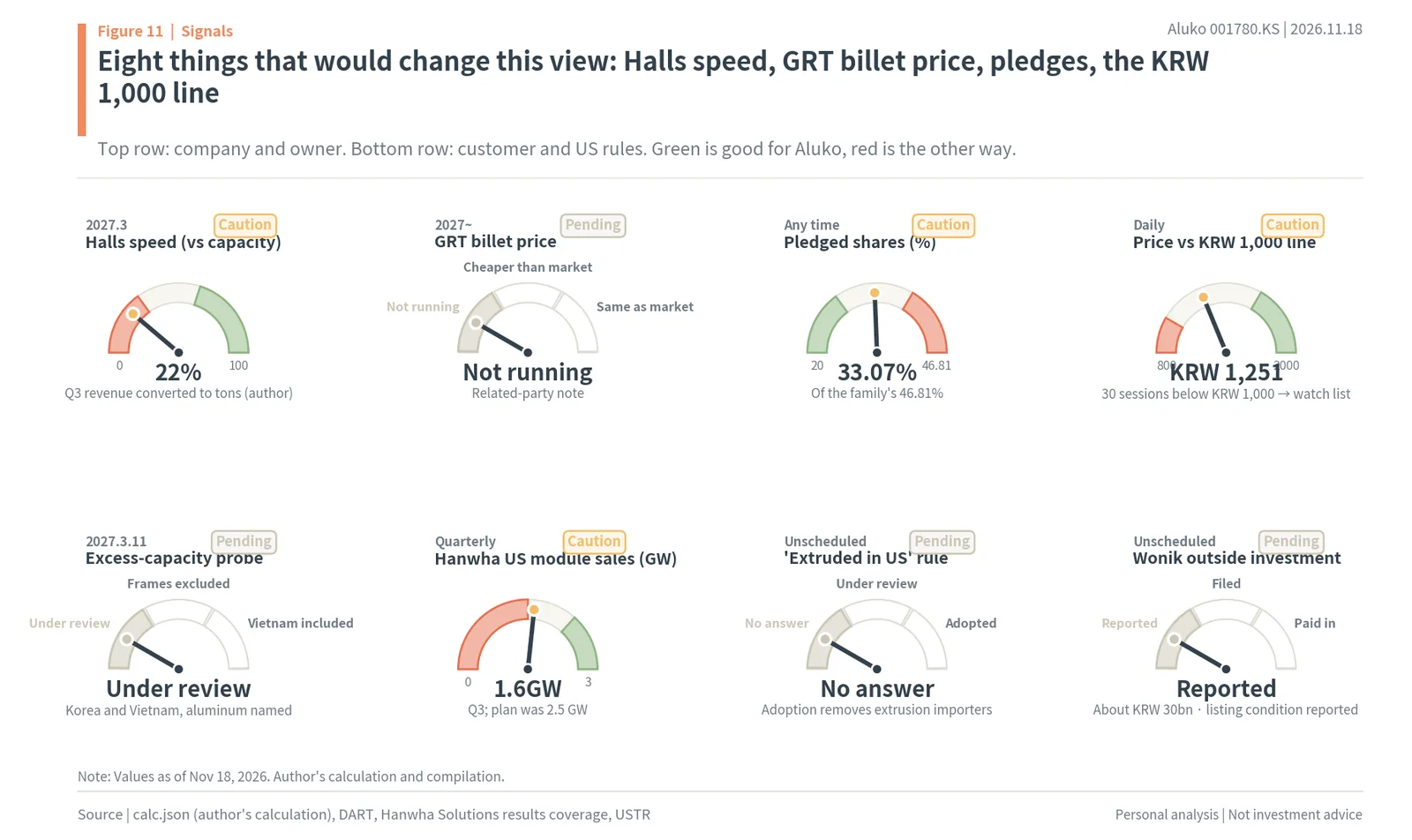
Now Tennessee. Alu Materials US Holdings, which consolidates the Halls plant, booked KRW 11.86bn of revenue in the third quarter and a net loss of KRW 2.70bn; for the nine months, revenue was KRW 12.29bn and the loss KRW 6.68bn. Converted at the quarter’s average rate of KRW 1,419.9 per dollar and a frame price of $7,185 to $7,771 per ton, that is roughly 1,075 to 1,163 tons in the quarter. Qcells said in October that the plant can make frames for 4 GW of modules a year; at 5.0 tons per megawatt (an IEA PVPS figure), that is about 20,000 tons, so the third quarter ran at about 22% of capacity. The author’s October 2 note listed nine-month Halls revenue below KRW 30bn as the first signal that would push the outlook toward the pessimistic case; the actual figure was KRW 12.29bn.
Part of the reason sits with the customer. Hanwha Solutions sold 2.0 GW of modules in the third quarter, 1.6 GW of them in the US, against 2.5 GW it had expected; on its October 29 call it said it held part of its output as inventory to sell next year at higher prices.
At group level the third quarter looks better at the operating line than at the bottom line. Revenue rose 22.1% to KRW 150.73bn, the gross margin widened to 21.6% from 12.3%, and operating profit was KRW 13.31bn, 5.4 times the KRW 2.45bn of a year earlier. But interest expense took KRW 7.43bn and foreign-exchange items a net KRW 21.95bn, so the quarter ended with a net loss of KRW 16.47bn (KRW 15.51bn attributable to owners). The won moved sharply in the quarter, from KRW 1,541.7 per dollar on June 30 to KRW 1,350.5 on September 30, and the notes do not say which balances produced the loss, so this report does not assign a cause. Interest-bearing debt rose to KRW 524.9bn from KRW 410.0bn at the start of the year as the US plant was built, and quarterly interest now absorbs 56% of operating profit.

The answer to the opening question is therefore: yes, but in Vietnam. Tennessee is still in its loss-making ramp, and at the net level the operating gain was erased by FX and interest.
5. How much cheaper than competitors, year by year
Inside the US, the frames that count as domestic for tax-credit purposes come from two kinds of competitor: companies that import extruded profiles and cut them in the US, and US extruders that buy new aluminum billet and extrude it themselves.
The author rebuilt the delivered cost per ton at Hanwha’s Georgia plants for each route, using the method of the October 2 note with November prices: aluminum at $3,041 per ton and the Midwest premium at 108 cents per pound on November 17. A finished frame from Vietnam costs about $4,720. Imported profiles cut in the US cost $7,117, of which $2,006 is tariff. A generic US extruder using new billet costs $7,594. Halls in 2026, still buying billets, also costs $7,594. Halls in 2027, once GRT’s scrap billets arrive, costs $6,745, assuming a scrap discount of 57.5 cents per pound and a remelting fee of 32.5 cents (Platts, January 2026).
That gives the year-by-year comparison:
- Against importers who cut profiles in the US: 6.7% more expensive in 2026, 5.2% cheaper from 2027.
- Against US extruders using new billet: level in 2026, 11.2% cheaper from 2027.
- If the scrap discount shrinks to 30 cents: 3.3% more expensive than importers and 3.2% cheaper than US extruders in 2027.
- If only half of the billet advantage stays with AMA (the rest with GRT, the family’s billet caster): -0.7% against importers and 5.6% cheaper than US extruders.
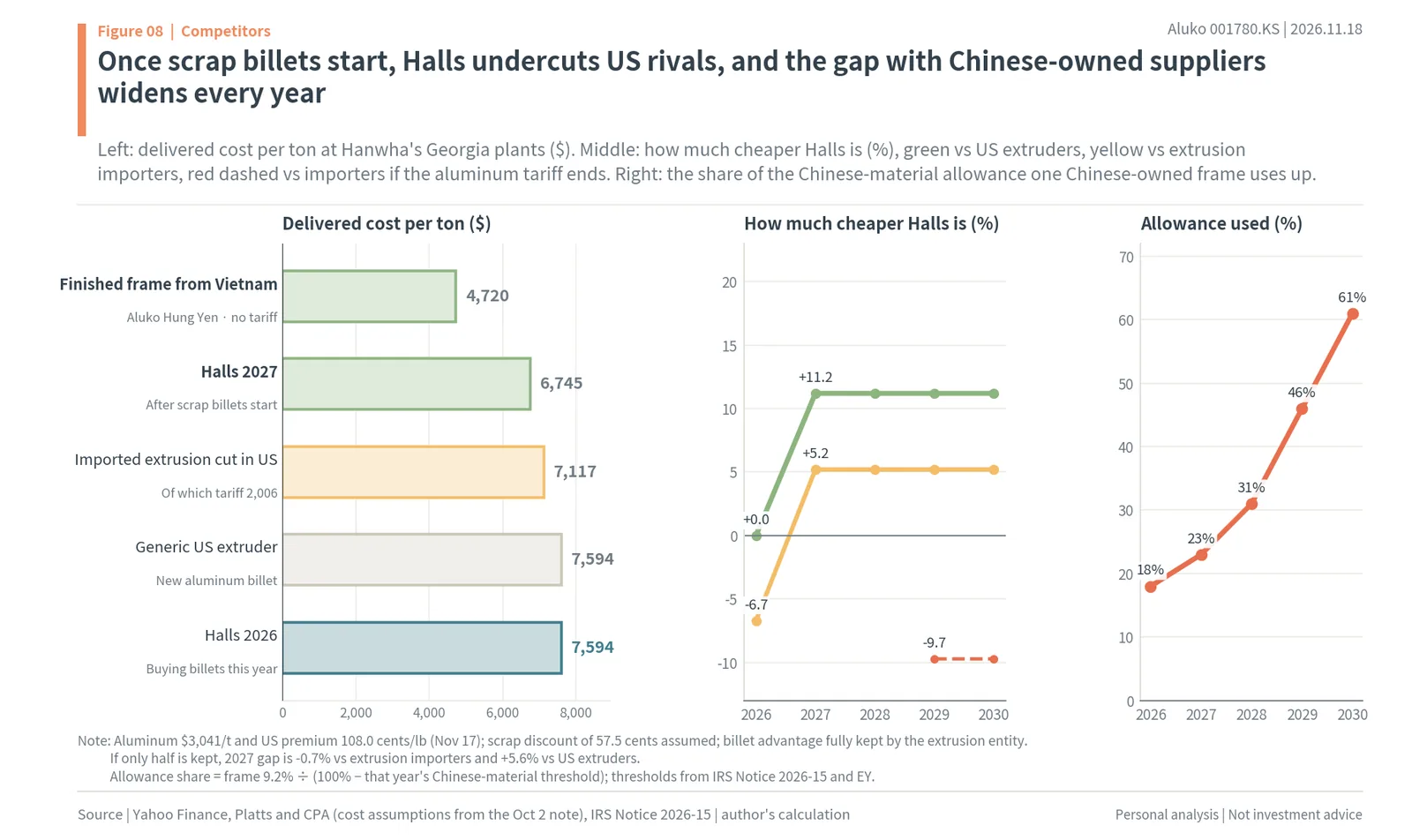
Two policy forks change these numbers. If the Section 232 aluminum tariff disappears, the Midwest premium falls back toward its pre-tariff level, and the importers lose their tariff bill as well; in that case Halls ends up 9.7% more expensive than importers and level with US extruders, and 19.8% more expensive than a Vietnamese frame. In the other direction, the US Trade Representative’s “structural excess capacity” Section 301 investigation, opened on March 11, 2026 against 16 economies including Korea and Vietnam with aluminum named, is due by March 11, 2027. A 25% tariff on Vietnamese frames would lift their delivered cost to $5,793 (Halls still 16.4% more expensive); 50% would lift it to $6,865, at which point Halls is 1.7% cheaper.
Against Chinese-owned suppliers in Southeast Asia, such as the Vietnam base of China’s frame leader Yonz, the advantage comes from the tax code rather than tariffs. Hanwha’s 45X manufacturing credit (the Advanced Manufacturing Production Credit, or AMPC) requires that a rising share of a module’s material cost not come from a “prohibited foreign entity”. Under IRS Notice 2026-15 the frame counts for 6.0 of the 65.4 points in the safe-harbor table, or 9.2%. The threshold is 50% non-prohibited content for 2026 sales, rising to 60%, 70%, 80% and 85% from 2030 (EY, McGuireWoods). A frame from a Chinese-controlled plant would therefore use 18% of the allowance in 2026 and 61% in 2030. No IRS ruling names Yonz, and the analysis of whether its Vietnam unit counts as Chinese-controlled is the author’s reading of the statute, but the direction is clear: the stricter the threshold, the more a Korean-owned frame is worth to Hanwha.
6. Where US credits and tariffs go after the midterm elections
Demand for US-made frames rests on three rules. The first is the domestic content bonus for solar projects. Under the One Big Beautiful Bill Act and IRS Notice 2025-42, a solar project earns the 45Y or 48E credit only if construction began by July 4, 2026 or it is placed in service by the end of 2027; a project that began construction must then be in service within four years, so projects started in 2026 can be completed until the end of 2030. For the extra 10-point domestic content bonus, at least 50% of manufactured-product cost must be US-made for 2026 starts and 55% for 2027 starts. Qcells said its new residential panels with Halls frames are designed to help projects meet the 55% requirement.
The second is the 45X credit Hanwha receives for making modules in the US, $0.07 per watt. Under the Congressional Research Service’s summary, it stays at the full rate for sales through 2029, then steps down to 75% in 2030, 50% in 2031 and 25% in 2032, and ends in 2033. Hanwha booked KRW 211.8bn of it in the third quarter. The third rule is the Chinese-material threshold described above, which tightens every year until 2030.
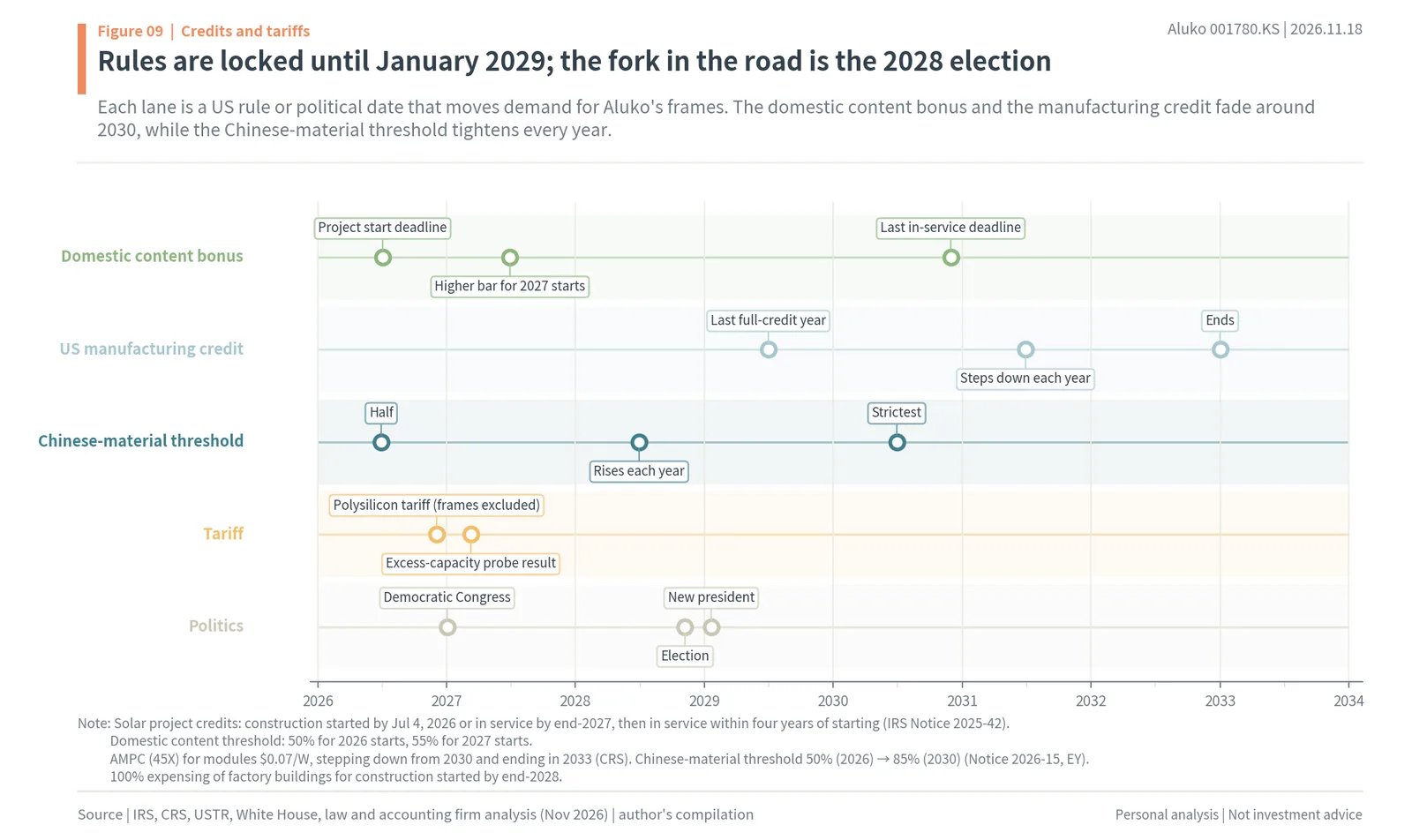
The November 3 midterms gave Democrats both chambers from January 2027. But changing tax law needs the president’s signature, and President Trump serves until January 2029. Korean law firm Lee & Ko’s analysis published on November 16, and a panel of US tax and clean-energy practitioners reported by pv magazine USA on November 12, both concluded that reversing the 2025 law is unlikely before then. The panel saw an extension of 45X as the most likely bipartisan item and only “fine-tuning” of the foreign-entity rules, while extending the solar construction deadline would require trading for White House priorities. Accounting firm Plante Moran wrote on November 4 that the 2028 election cycle is when the tax landscape will likely shift in a more sweeping way. Tariffs are presidential tools, so Section 232 is expected to stay; bills to limit it remain in committee.
Two facts about the factory itself are worth noting. The 2025 law allows full first-year expensing of factory buildings whose construction began between January 20, 2025 and the end of 2028, but a purchased used building qualifies only if it was not used in production between January 1, 2021 and May 12, 2025; the author could not confirm how the former Tupperware building in Halls was used in that period. And the 45X credit does not cover frames themselves.
So 2027 and 2028 will be run on today’s rules. Demand for US frames will come from projects that started construction before July 2026 and from the Chinese-material threshold, and the fork in the road arrives with the president elected in November 2028 and inaugurated in January 2029.
7. When the share price needs defending
Aluko’s share price has fallen by more than a third from its October 22 close of KRW 2,000. It did not move with other Korean aluminum stocks: from October 12 to November 18, Aluko fell 30.7%, Hanwha Solutions 38.0%, HD Hyundai Energy Solutions 46.0% and OCI Holdings 23.4%, while Choil Aluminum fell 5.4% and Namsun Aluminum 1.3%. It traded as a US solar stock. The 7.6% jump on October 19 came on the first trading day after Qcells’ October 16 announcement of Halls frames; the 13.2% fall on October 28 came as US solar names slumped on weak results, though the author found no Aluko-specific report for that day.
The owners have several reasons to want the price to hold, and they cluster in the next four months.
Pledged shares. The November 13 large-holding report lists 13 share-backed loans totalling KRW 30.18bn against 32,022,767 Aluko shares (33.07% of the company). Of that, KRW 6.26bn matures in November 2026, KRW 5.27bn in January 2027 and KRW 5.18bn in February, so KRW 16.71bn comes due by the end of March 2027. Using only the collateral listed in the filing, the broker and Korea Securities Finance loans (KRW 22.98bn against 26.0 million shares) were covered about 1.4 times at KRW 1,251, close to the level at which lenders typically ask for more shares, which is what the family has been doing in November. The family still has 13.3 million unpledged shares; pledging all of them would hold a 140% cover down to about KRW 818 and a 150% cover down to about KRW 877 (author’s calculation; actual loan terms may differ).
The KRW 1,000 line. Since July 1, 2026, a KOSPI stock whose closing price stays below KRW 1,000 for 30 consecutive trading days is placed under administrative supervision, and if it then fails to close at or above KRW 1,000 for 45 consecutive days within 90 trading days, it goes to a delisting review (Financial Services Commission approval of the exchange rules, May 13, 2026). Aluko is 20% above that line. The KOSPI market-cap minimum rises to KRW 50bn on January 1, 2027; Aluko’s KRW 121.1bn is well above it.
KPTU. Aluko’s largest shareholder was placed under supervision on October 8 for market capitalization below the KOSDAQ minimum, which rises from KRW 20bn to KRW 30bn on January 1, 2027. KPTU’s market capitalization of KRW 11.4bn is only 49% of the KRW 23.1bn value of the Aluko shares it owns, so a higher Aluko price is the most direct way to repair KPTU’s position.
Bond and annual meeting. Aluko’s 57th private bond, KRW 24bn at 5.11%, matures on March 28, 2027, and the terms of every board member, including Park Do-bong and Park Jin-woo, end on March 26, 2027. The company has refinanced in March and September in recent years and was rated BBB- by NICE in June 2026.

The period from late November 2026 to the end of March 2027 is therefore when pledge maturities, the bond, the annual meeting and the US excess-capacity decision all fall together, and when the owners have the strongest reasons to keep the share price up.
8. What the family is likely to do next, and the target price
Five expectations from the habits
Reading the habits forward gives five expectations, each with the signal that would confirm or refute it.
The Park family will keep its shares and add collateral rather than sell. If the price approaches the KRW 1,000 line, the KPTU precedent suggests support from the owners’ side, such as buying by a family company or the release of good news. The signal is the large-holding report: a further rise in the pledged ratio, or any owner purchase.
President Park Jin-woo will fill Halls first with Qcells’ residential modules, the 4 GW programme announced on October 16, and then look for a second customer outside Qcells and for other extrusions such as windows. The signal is the Halls entity’s quarterly revenue and any named customer.
A large part of the scrap-billet advantage will stay with GRT, the family’s billet caster, so Aluko shareholders should count on half of it or less. The signal is the related-party purchases from GRT in the 2026 annual report.
Funding will come from debt and outside investors, not new shares: a new private bond around March 2027 and the roughly KRW 30bn investment by Wonik Investment Partners, cut from about KRW 70bn, which Dealsite reported on November 11 could carry heavier repayment terms if a related entity’s listing does not go to plan. The signal is a bond or investment filing.
And succession runs through Alutec, not Aluko: the chairman’s Alutec stake fell from 52.8% in 2010 to 42.4% in 2026 while his children hold 24.6% between them, so the next generation’s wealth grows with Alutec’s billet profits. The owners’ reasons to support Aluko’s share price come from the pledges and the listing rules more than from succession.
The target price
For valuation, the author splits 2027 earnings into three parts. The existing business earns about KRW 154 per share: nine-month pretax profit excluding FX items and the Halls loss was KRW 17.55bn, annualized and taxed at 25% with 85% attributed to Aluko’s owners. Halls adds -KRW 35 per share in the pessimistic case (8,000 tons at a -2% margin), KRW 3 in the base case (15,000 tons at 4%) and KRW 55 in the optimistic case (20,000 tons at 10%), with a selling price of $7,402 per ton (the next-cheapest domestic alternative plus a 4% margin), US interest of $3.9mn a year, a 26.1% US tax rate and Aluko’s 50% share. Extra Vietnam volume adds KRW 0, 10 and 15 per share. In the pessimistic case the existing business is also cut by 20% for interest and FX.
That gives 2027 forward EPS of KRW 88, 167 and 224. At 10 times earnings, the low end of the 10.68 and 13.26 multiples at the end of 2024 and 2025, the values are KRW 880, 1,670 and 2,240. Weighting them 25%, 50% and 25% gives forward EPS of KRW 162 and a target price of KRW 1,620 (about $1.22) for the next six to twelve months, 29.5% above the current price. In 20,000 simulations varying volume, margin, the existing business, Vietnam volume and the multiple, the median value was KRW 1,560 and 13.0% of outcomes fell below today’s price. The target is lower than the KRW 1,920 in the author’s October 2 note because Halls is ramping more slowly, interest has risen and the billet advantage may be shared with the owners’ company. Below KRW 1,100 the author would consider buying in stages; above KRW 1,900, without confirmed Tennessee volume, the author would reduce.
9. Signals that would change this view
Four signals would change the view most.
If the Halls entity’s fourth-quarter revenue, visible in the annual report in March 2027, does not rise from the third quarter, the Tennessee volume assumption should come down.
If the billets bought from GRT are priced no lower than market billets (related-party note), the scrap-billet advantage belongs to the owners’ company rather than to Aluko.
If the pledged ratio keeps rising in large-holding reports, or the price reaches the KRW 1,000 line, the share-price defense period should be treated as starting earlier.
If the March 2027 excess-capacity decision puts finished Vietnamese frames under a tariff, the route that earns money today narrows, though in that case Halls becomes the cheaper option.
10. Basis of calculations
Quarterly subsidiary figures are cumulative filings minus the previous filing (Q2 = half-year minus Q1; Q3 = nine months minus half-year; Q4 = full year minus nine months), from DART reports for 2025 and 2026. Halls tonnage is quarterly revenue divided by the quarter’s average KRW/USD rate (1,419.9) and a frame price of $7,185 to $7,771 per ton. Plant capacity in tons is Qcells’ “frames for 4 GW of modules” times 5.0 tons per megawatt (IEA PVPS 2026 life-cycle inventory, TOPCon glass-glass module).
Route costs follow the October 2 note: Vietnam frame = aluminum + $300 Asian premium + $910 conversion + $428 freight + inventory interest; cut-and-punch = profile value (aluminum + premium + 61% of conversion) × (1 + 50% + 1.5%) + freight + inventory + US fabrication (39% of $1,874); US extruder = aluminum + Midwest premium + $298 billet premium + $1,874 US conversion (85 cents per pound, CPA); Halls with scrap billet = aluminum + Midwest premium − scrap discount + remelting fee + US conversion. The no-tariff case sets the Midwest premium to 20 cents per pound, the scrap discount to 14.5 cents and the profile tariff to zero.
The allowance share is 9.2% divided by the part of module cost that may come from prohibited entities that year (50% in 2026, 15% in 2030). The pledge floor is the price at which the non-bank loans would be covered 140% or 150% by all family shares except the 6.0 million pledged to banks. All of these are the author’s calculations; they are assumptions, not company figures.
Aluko and US solar frame tariffs: quick answers
Q. Do US tariffs apply to the solar frames Aluko ships from Vietnam?
No. Finished module frames are classified under heading 8541.90 as parts of semiconductor devices, following US Customs ruling N301481 requested by Hanwha Q CELLS USA in 2018. That heading is in Annex II of the June 2026 Section 232 proclamation, outside the July 2026 Section 301 forced-labor tariff and outside the December 4, 2026 polysilicon tariff, which covers only wafers, cells and modules.
Q. How is Aluko’s Tennessee plant doing?
The Halls entity booked its first meaningful quarter in July to September 2026: revenue of KRW 11.86bn and a net loss of KRW 2.70bn. Converted to tons, that is roughly 1,075 to 1,163 tons, about 22% of the 20,000 tons implied by Qcells’ statement that the plant can make frames for 4 GW of modules a year.
Q. When does the Tennessee plant become cheaper than its US competitors?
On the author’s calculation, from 2027, when the family-owned GRT America starts casting billets from scrap: Halls then costs about $6,745 per ton delivered, 5.2% below imported extrusions cut in the US and 11.2% below US extruders using new billet. In 2026 it costs the same as a US extruder. If only half of the billet advantage stays with Aluko’s extrusion entity, the gap against importers disappears.
Q. Why might the owners want to support Aluko’s share price before March 2027?
The Park family has pledged 33.07% of Aluko’s shares for 13 loans totalling KRW 30.18bn, of which KRW 16.71bn matures by the end of March 2027. A KRW 24bn bond matures on March 28, every board member’s term ends on March 26, and KOSPI rules since July 2026 put stocks that close below KRW 1,000 for 30 trading days under supervision.
Q. What is the author’s target price for Aluko?
KRW 1,620 (about $1.22) for the next six to twelve months, based on 2027 forward EPS of KRW 162 at 10 times earnings, weighting pessimistic, base and optimistic cases of KRW 880, 1,670 and 2,240 at 25%, 50% and 25%. It is lower than the author’s October target of KRW 1,920 because the Tennessee ramp is slower and interest costs have risen.
Sources
- US Customs and Border Protection, ruling N301481 (link), Nov 16, 2018; White House Section 232 Annex II (link), Jun 2026; Section 232 polysilicon Annex II (link), Aug 6, 2026
- DART: Aluko Q3 2026 report (link), Nov 16, 2026; half-year, Q1 and annual reports for 2025 and 2026; KPTU large-holding report (link), Nov 13, 2026; Alutec tender offer for KPTU (link), Jul 15, 2026
- Qcells, residential panels with domestic frames (link), Oct 16, 2026; pv magazine USA (link), Oct 16, 2026
- Anza, module prices and domestic content (link), Oct 13, 2026; Hanwha Solutions Q3 2026 results coverage (Econovill, MTN, iNews24), Oct 29, 2026
- IRS Notice 2025-42 (link), Aug 15, 2025; IRS Notice 2026-15 (link), Feb 12, 2026; CRS IF12809, Aug 13, 2026; USTR, excess-capacity investigations (link), Mar 11, 2026
- pv magazine USA, tax credit odds after the Democratic sweep (link), Nov 12, 2026; Plante Moran (link), Nov 4, 2026; Law Times (link), Nov 16, 2026
- Chungcheong Today interview (link), Apr 25, 2017; Sisa Journal-e (link), Aug 15, 2020; Maeil Business (link), Apr 3, 2025; obituary in The Better Future (link), Nov 4, 2025; Korea Daily (link), Dec 18, 2025
- Asia Economy on Aluko Group (link), Jul 20 and 23, 2026; Money Today on the tender offer (link), Jul 27, 2026; Dealsite on pledges (link), Oct 16, 2026; Dealsite on Wonik Investment Partners (link), Nov 11, 2026; Dealsite on the Halls conversion (link), May 7, 2026
- Financial Services Commission, listing-rule approval, May 13, 2026; Seoul Economic Daily on KOSDAQ supervision designations, Oct 26, 2026
- Prices: KRX Data System; Yahoo Finance (ALI=F, AUP=F, KRW=X); author’s calculations (research/calc.py)
- Photos: Q CELLS, Dalton plant (CC BY-SA 4.0); César Domínguez, PV module edge (CC BY-SA 4.0); Thomas R Machnitzki, Halls sign (CC BY 3.0); Wizard191, extrusion die (CC BY-SA 3.0); via Wikimedia Commons; logo: Aluko website (company CI)
Disclaimer
This report records the author’s personal analysis and views based on public information and does not recommend any particular product or company. It does not recommend buying or selling any financial investment product and is not an investment advisory or quasi-investment advisory service.
A person’s “habits” in this report are the author’s grouping of that person’s public statements and recorded decisions; they do not claim to know anyone’s intentions. Statements about what the owners will do are the author’s estimates based on that record, not company plans. The pledge floors use only the collateral listed in the filing and may differ from actual loan terms. Accuracy and completeness are not guaranteed.
Items marked “author’s calculation” or “author’s estimate” are assumptions, not confirmed facts.
Author’s interests: not disclosed
Responsibility for decisions and their outcomes lies with the reader.
As of: November 18, 2026
Was this note useful?
Thanks. Your answer helps decide what to cover next.
Korea market snapshot · Nov 27, 2026
New to Korean stocks? Start here for the basics.
Most read this week
5Bank of Korea Holds Rate at 3.00%: Why a 0.12pp Real Rate Points to a November Hike (2026)
Get the Saturday note on Korean stocks
One email every Saturday with the week’s new research on Korean listed companies and links to the updated data pages. Built from DART filings and KRX data. Free; unsubscribe in one click. See past issues