Why China Banned Banks From Bidding Up Deposit Rates: The PBOC’s Quiet Path to Lower Rates Under US Pressure
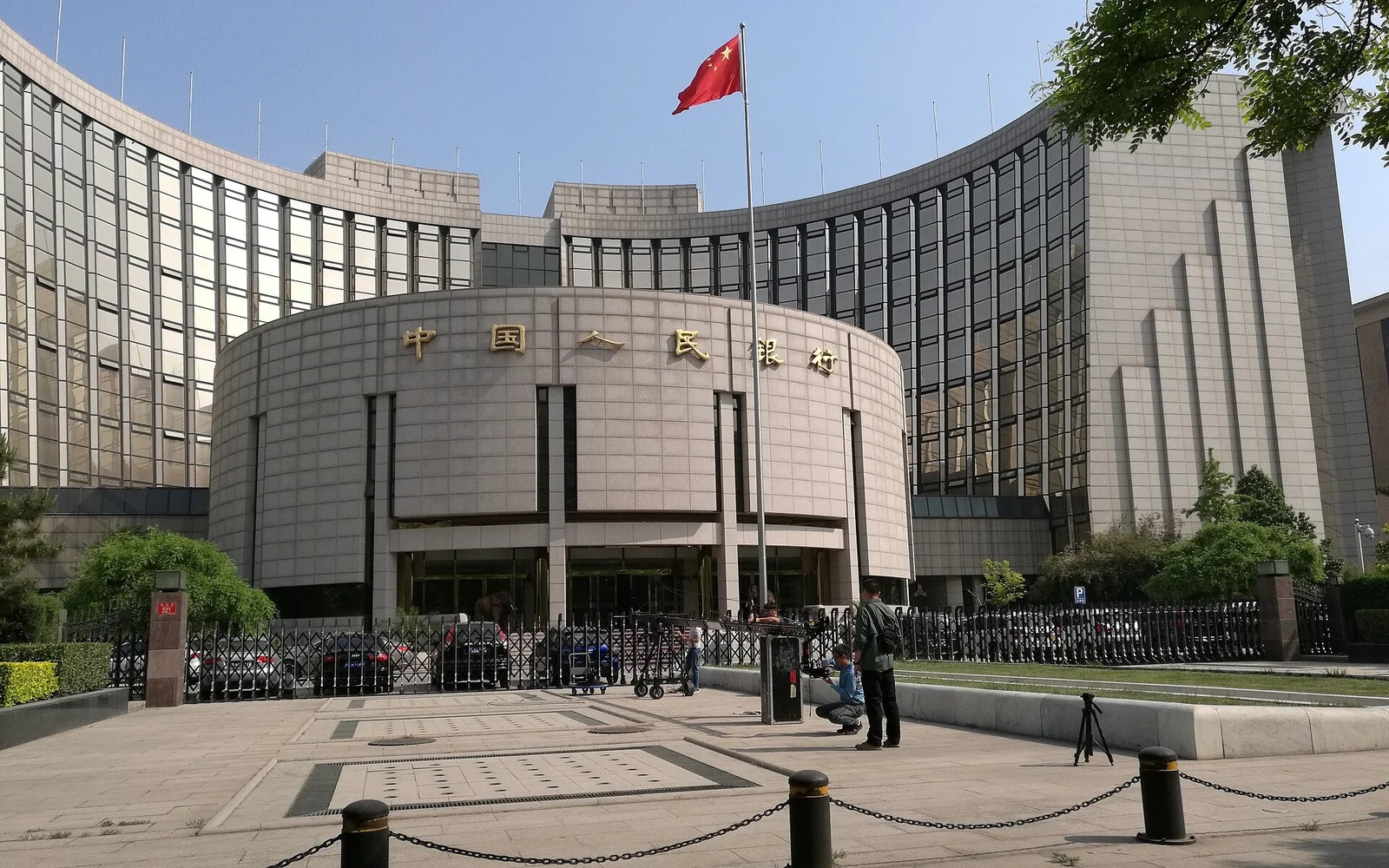
In October 2015, the People’s Bank of China (PBOC) let commercial banks set their own deposit rates and declared that interest-rate controls had been “basically lifted.” Four days later, then Deputy Governor Yi Gang, who later ran the central bank from 2018 to 2023, published a note on the PBOC’s website warning that liberalization “is not about leaving everything to the market.” Some “teeth,” he wrote, were needed for abnormal behavior. His example was banks on the verge of failure in the 2008 crisis that offered depositors 7% to 8%, or even more than 10%, to stay alive. He called that behavior “destructive.”
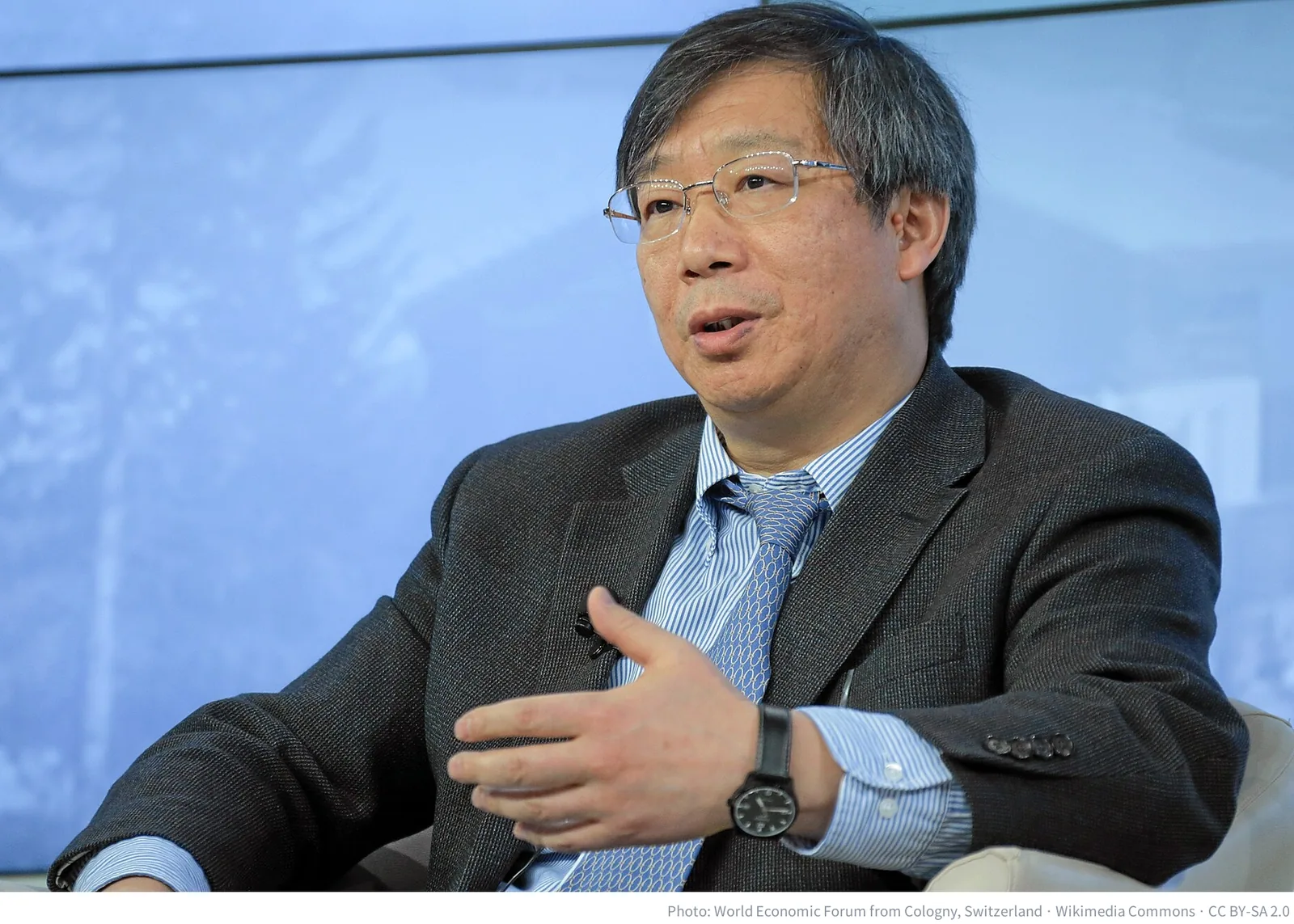
Eleven years later, on the evening of November 27, 2026, the PBOC published the teeth. Its new Regulation on the Administration of RMB Deposit and Loan Interest Rates bans banks from attracting deposits with improperly high rates and spells out what that means. Why now, and what does it say about where Chinese interest rates go next? This report follows the answer through three reasons, two at home and one in Washington, then through the people who decide and the order in which they have acted before.
This report is the English edition of the author’s Korean note on China’s new deposit and loan rate rules.
As of: November 27, 2026. Rule text and the PBOC’s question-and-answer note: PBOC Order No. 5 of 2026 and the accompanying Q&A, both published November 27. Bank margins and bad-loan ratios: the National Financial Regulatory Administration (NFRA). Policy rates, loan prime rates and deposit rates: PBOC notices and Bank of China’s listed rates. Yuan exchange rates and Chinese bank share prices: Yahoo Finance closes through November 27. Fed policy rate: FRED. US-China trade events: dated Reuters, AP, Bloomberg and CNBC reports listed under Sources.
Some background for readers outside China. The PBOC sets a short-term policy rate (until November 2026 the 7-day reverse repo rate, now the overnight reverse repo rate). Banks price most loans off the loan prime rate (LPR), which 18 large banks quote each month on top of the policy rate. Deposit rates at the big state banks move together, usually on the same day, and an industry body run under PBOC guidance, the market interest rate pricing self-discipline mechanism, sets caps that other banks follow.
Topics covered: what the new rules change; reason 1, banks’ thin margins; reason 2, small banks’ deposit-rate race; reason 3, the money fight with the United States; what happened in countries that went first; who decides in Beijing and Washington; Governor Pan Gongsheng’s habits; what comes next; what it means for investors.
1. What the new rules change
A ban on bidding up deposit rates, from March 21, 2027
In plain terms, the regulation bans banks from bidding against each other for deposits. It was approved at an executive meeting of the People’s Bank of China on October 30, signed by Governor Pan Gongsheng on November 26 and published the next evening, and it takes effect on March 21, 2027. The four months in between give banks time to change their systems and contracts; existing deposit and loan contracts stay on their old terms. The rule replaces the PBOC’s 1999 interest-rate regulation and two notices from the early 2000s.
What is banned, and what has legal force
Article 24 bars banks from taking deposits through “high-rate deposit gathering” and similar improper means, including manual top-ups of interest paid off the books, breaking the caps agreed in the self-discipline mechanism, and tying deposits to loans (“deposit with us and we will lend to you”). The self-discipline caps used to be an agreement among banks. Article 23 now writes the mechanism into the regulation and says member banks must carry out its resolutions, and Article 25 lets the PBOC punish violations under the central bank law.
Borrowers: penalty interest and the true cost of a loan
Two clauses face borrowers. Since 2003, penalty interest on overdue loans had to be 30% to 50% above the contract rate, and the PBOC’s Q&A admits that banks almost always wrote the 50% maximum into standard contracts. The new rule drops the band and leaves the penalty rate, method and grace period to negotiation, and the PBOC says it will steer banks toward a fixed add-on and expects penalty rates “to decline overall.” Lenders must also advertise the annualized rate including all loan-related fees. Some translated headlines read this as “loan rates expected to fall”; the original text is about penalty interest, not loan rates in general.
So the weight of the rule sits on the deposit side. To see why China is capping deposit rates now, it helps to follow three threads: the banks, the small banks and the United States.
2. Reason 1: Chinese banks keep too thin a margin to cut loan rates
Banks buy money with deposits and sell it as loans
A bank works like a shop that buys money from depositors and sells it to borrowers. What it keeps is the gap between the two prices, measured against its earning assets as the net interest margin. Chinese commercial banks kept 2.2% in late 2019. By the third quarter of 2026 the figure was 1.41%, and only 1.31% at the large state banks.

Chinese banks’ self-discipline mechanism has treated about 1.8% as a healthy margin, according to a Yicai report on its 2023 assessment rules. The actual margin fell below that line in the first quarter of 2023 and has not come back. Commercial bank profits for January to September were slightly lower than a year earlier, and the bad-loan ratio rose to 1.54%, the highest since late 2024.
The loan benchmark has not moved for 18 months
With almost nothing left in the middle, banks find it hard to lower loan rates. The one-year LPR has stayed at 3.0% for 18 consecutive monthly fixings since May 2025. China would like cheaper credit: housing starts are less than half their peak and consumer prices rose only 0.7% in October. The PBOC itself spelled out the order in its November monetary policy report: “deposit rate cuts can create room for loan rate cuts,” and banks “need a certain spread between deposit and loan rates.” Deposits have to go first. But if the big banks cut and small banks raise, deposits simply move, and the first step fails.
3. Reason 2: small banks’ deposit-rate race
Big banks cut deposit rates faster than loan rates
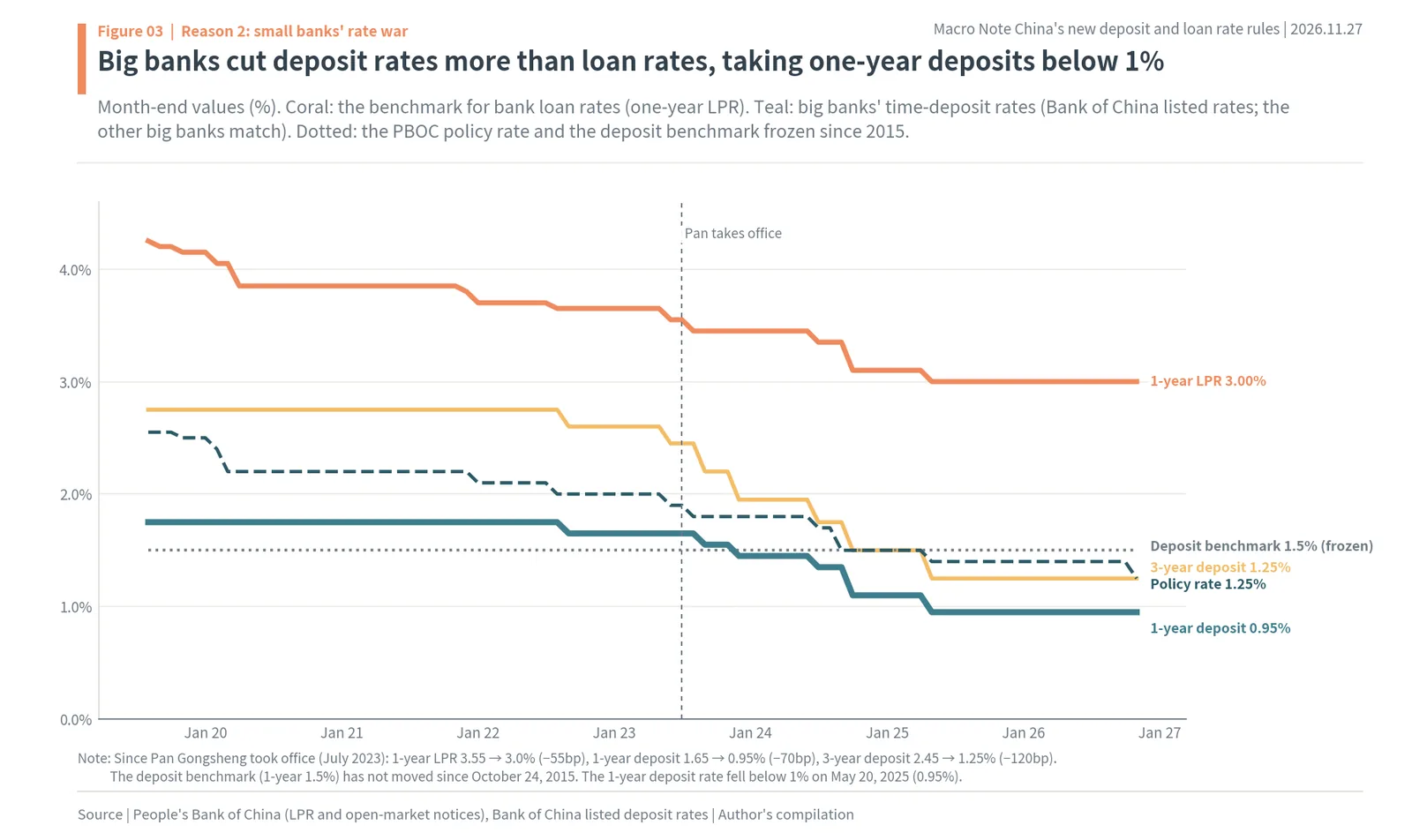
Since Pan Gongsheng became governor in July 2023, the big state banks have cut deposit rates five times. Their one-year time deposit has paid 0.95% since May 2025, the first time it went below 1%. Over the same period the one-year LPR fell 0.55 points while one-year deposit rates fell 0.70 points and three-year rates 1.20 points: the banks protected their margin by cutting what they pay faster than what they charge.
Manual top-ups and a wall of maturing deposits
In the spring of 2024 some banks quoted low official rates and quietly topped up the interest by hand. When the self-discipline mechanism banned the practice in April 2024, deposits fell sharply that month, and the PBOC later calculated that the ban saved banks more than CNY 80bn in interest. This year a large batch of three- and five-year deposits taken at higher rates in 2021 to 2023 is maturing; Chinese brokers estimate the total at more than CNY 50tn, and PBOC Deputy Governor Zou Lan flagged the repricing in January. To hold on to that money, some rural and private banks raised rates again this autumn and offered around 2% on three-year deposits and certificates, well above what ICBC and the other big banks pay.

Why the ban matters
Left alone, the race would push up the whole system’s funding cost and close the room for lower loan rates. The rule takes the small banks’ main weapon away and holds everyone’s deposit cost down together, so that the next round of rate cuts does not crush margins again. That is the domestic story. The bigger reason China cannot simply slash its policy rate lies abroad.
4. Reason 3: the money fight with the United States
Three summits and a truce that ends January 10
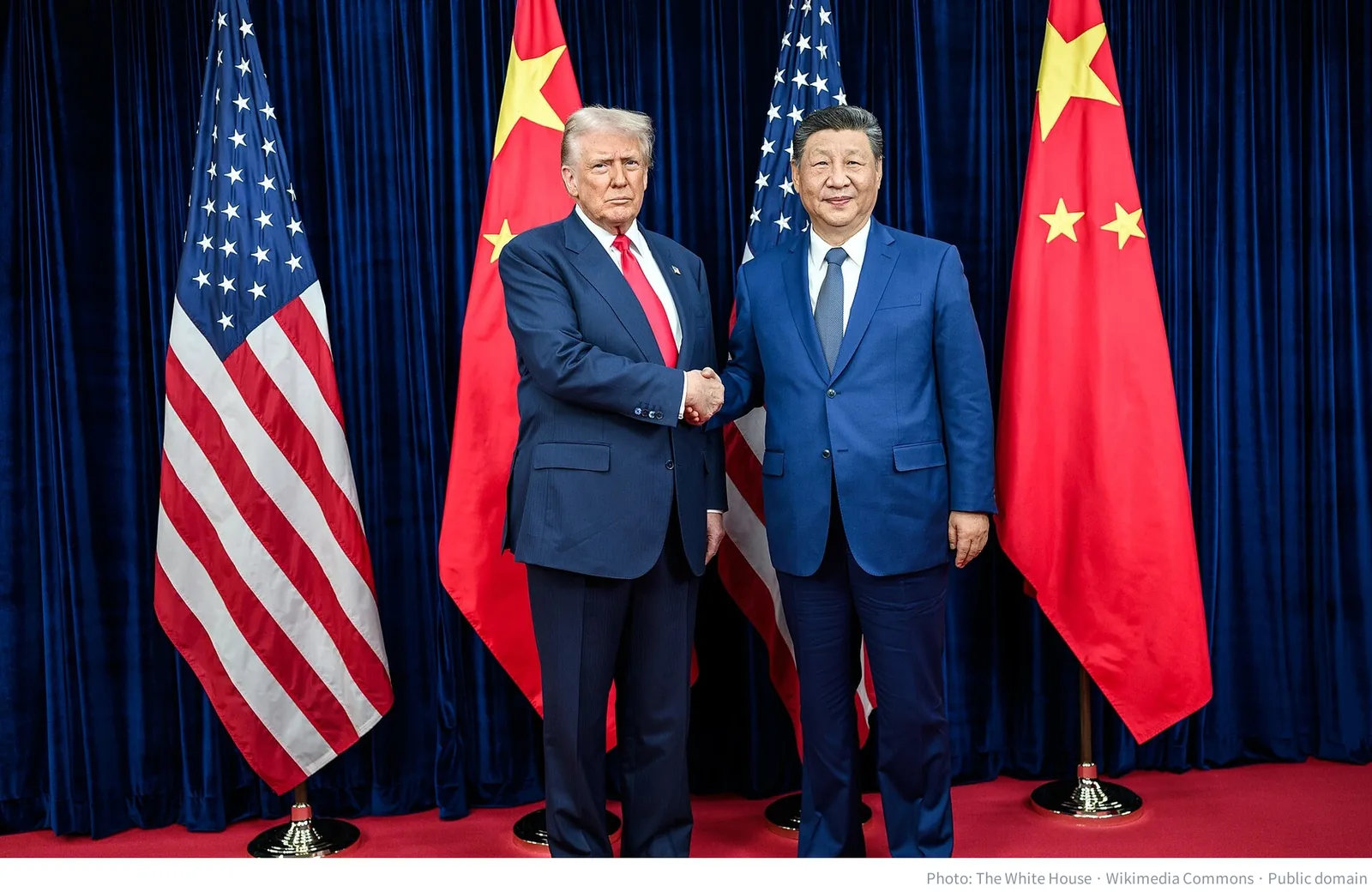
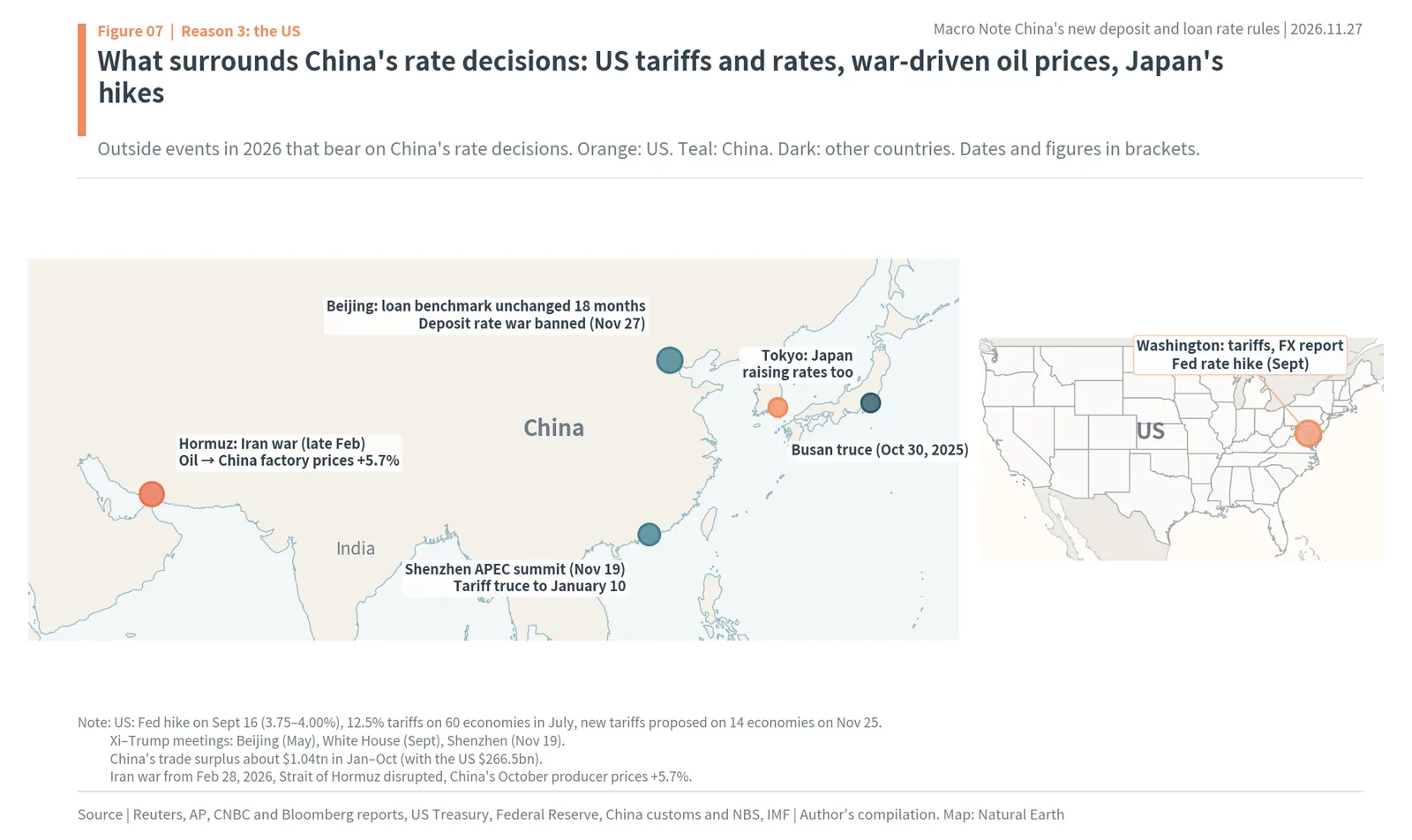
President Donald Trump raised tariffs on Chinese goods to as much as 145% in the spring of 2025, then met President Xi Jinping at Gimhae Airport in Busan, South Korea, on October 30, 2025 and agreed a truce. In 2026 the two leaders met three more times, in Beijing in May, at the White House in September and at the APEC summit in Shenzhen on November 19. They reached no broad trade deal, and only extended the tariff truce to January 10, 2027. A week after Shenzhen, the US trade representative proposed new tariffs on 14 economies, China among them.
Washington wants a stronger yuan
Meanwhile China sold more abroad than ever. Helped by the global AI build-out, its exports surged and its trade surplus passed $1tn in the first ten months of 2026 (about $1.04tn, including $266.5bn with the US). Dollars flowing in pushed the yuan up. In its January 2026 currency report, the US Treasury called the yuan “substantially undervalued” and urged China to let it strengthen “in a timely and orderly manner.” It stopped short of naming China a currency manipulator, but said it was prepared to do so if China intervenes “to resist RMB appreciation.”
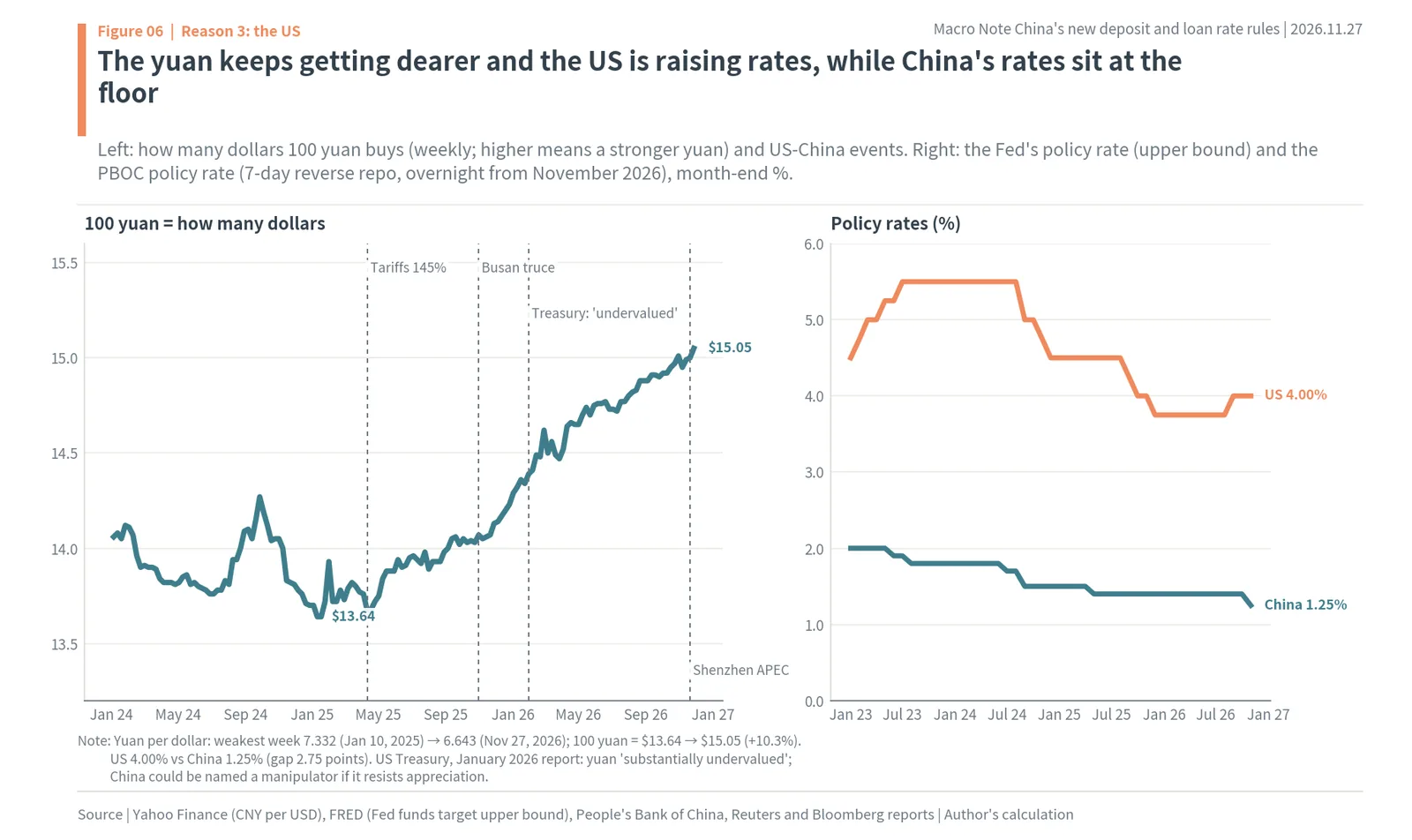
The yuan rose for 13 straight sessions into early November, the longest streak since 1996, and on November 3 the PBOC raised the share of foreign-currency deposits banks must hold in reserve, from 4% to 6%, to slow the climb without reversing it. From its weakest week in January 2025 to November 27, 100 yuan went from buying $13.64 to $15.05.
Why a big rate cut is awkward now
Here interest rates come in. A large rate cut usually weakens a country’s currency. If China cut hard now, Washington could read it as an attempt to push the yuan down, just as the Treasury has warned against it and while the truce runs out. The rest of the world is also moving the other way: the Federal Reserve raised its rate in September to 3.75% to 4.00%, and Japan is raising rates too, so a deep Chinese cut would stand out at the negotiating table. And since the US-Israeli war with Iran began on February 28, closing much of the Strait of Hormuz and lifting oil prices, China’s factory-gate prices have turned positive; in October they were 5.7% higher than a year earlier, which removes some of the urgency.
A quiet cut instead of a loud one
The author’s reading is that China has chosen a quiet route: instead of announcing a big rate cut, it is lowering what banks pay for deposits so that loan rates can drift down without a headline. This also fits a longer goal. In January 2024 Xi listed “a strong currency” and “a strong central bank” first among the elements of a “financial power,” which sits better with defending the yuan’s value than with cheapening it to help exports. On November 2, 2026 the PBOC switched its main policy rate to an overnight rate of 1.25%, like the Fed’s overnight rate, and in the October speech that announced the switch Pan said foreign-funded banks would get access to the PBOC’s standing lending facility, small steps toward a yuan the world can use more easily.
5. What happened in countries that went first
Texas thrifts and a Japanese credit cooperative
China has reasons in its own history and in others’ to fear deposit-rate wars. In the United States, deposit-rate ceilings were phased out by March 1986, and weak Texas savings and loans bid up rates through national advertising and brokers. Empire Savings of Mesquite grew twentyfold in two years on high-rate deposits before failing in 1984; the FDIC later described insolvent thrifts with “nothing to lose” bidding up rates “in a gamble for resurrection.” Between 1986 and 1995, 1,043 thrifts were closed, and taxpayers covered $123.8bn of the $152.9bn in losses.
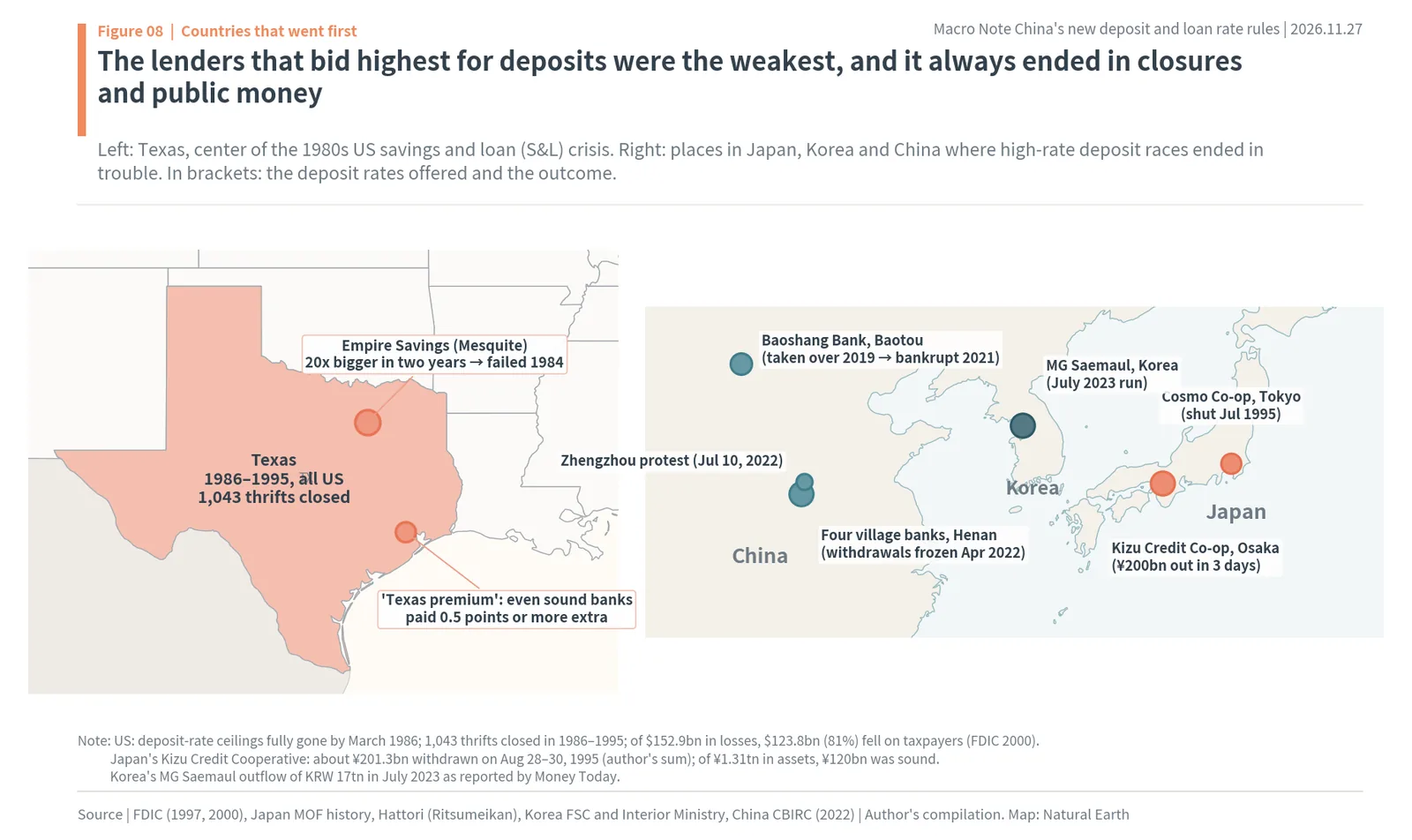
Japan finished freeing deposit rates in October 1994. The next summer, Osaka’s Kizu Credit Cooperative, which had paid up to 2.57 points more than the bank average on large deposits, lost more than ¥200bn in three days and was shut.
Korea in 2023 and Henan in 2022
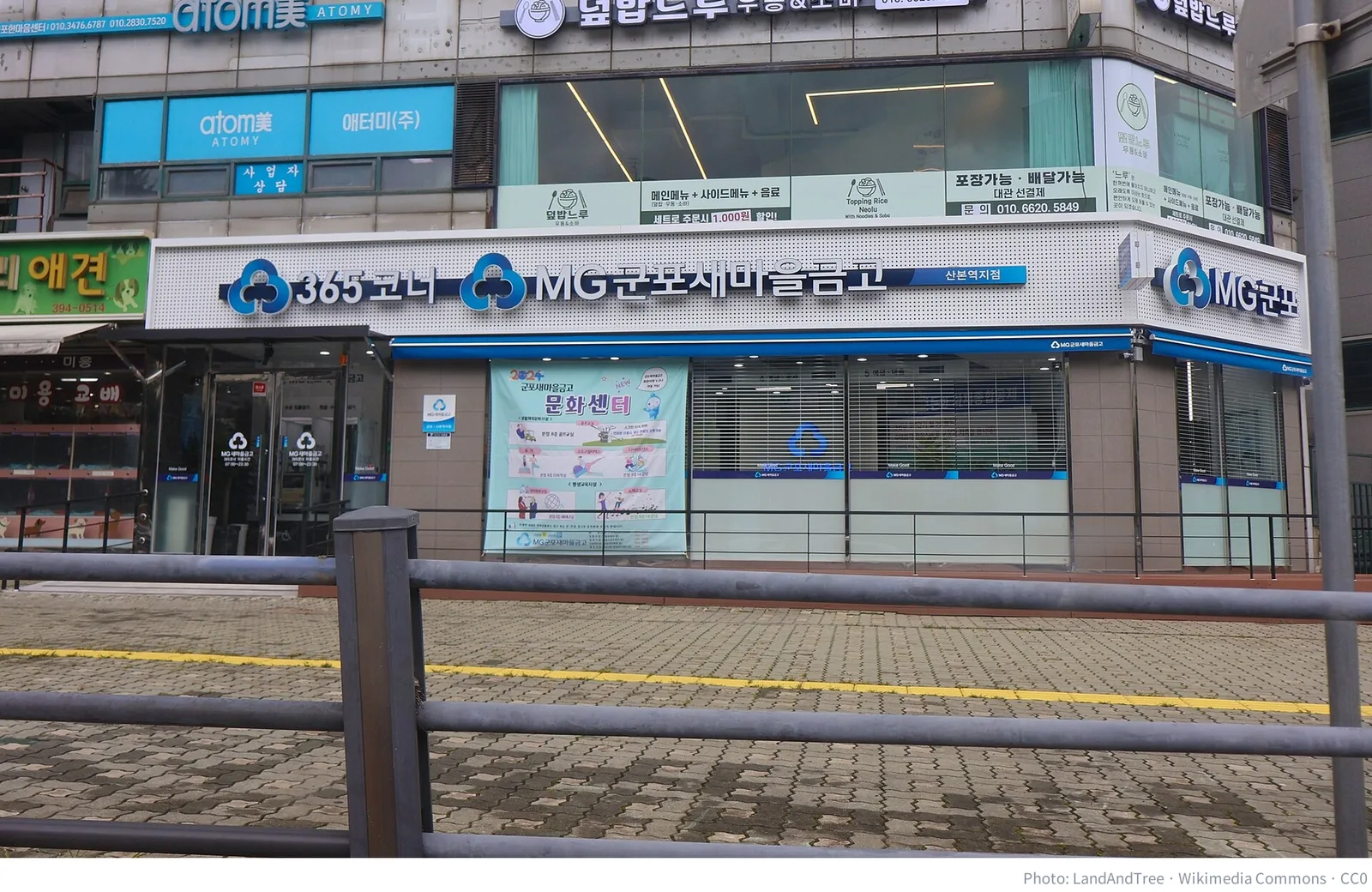
South Korea saw a deposit race in late 2022, after the Legoland bond shock, with savings banks near 7% and commercial banks above 5%, and the Financial Services Commission publicly asked lenders to stop “excessive competition for funds.” The next summer, MG Saemaul Geumgo, a nationwide cooperative that had taken many high-rate deposits, saw its delinquency ratio nearly double and faced a run. China’s own warning came in 2022, when four village banks in Henan that had sold high-rate deposits through internet platforms froze withdrawals, leading to a protest by thousands of depositors in Zhengzhou on July 10.
The sequence repeats: the weakest lenders bid highest, and the state fills the hole afterward. The new rule is China’s attempt to stop it before the accident.
6. Who decides: Beijing and Washington
Beijing
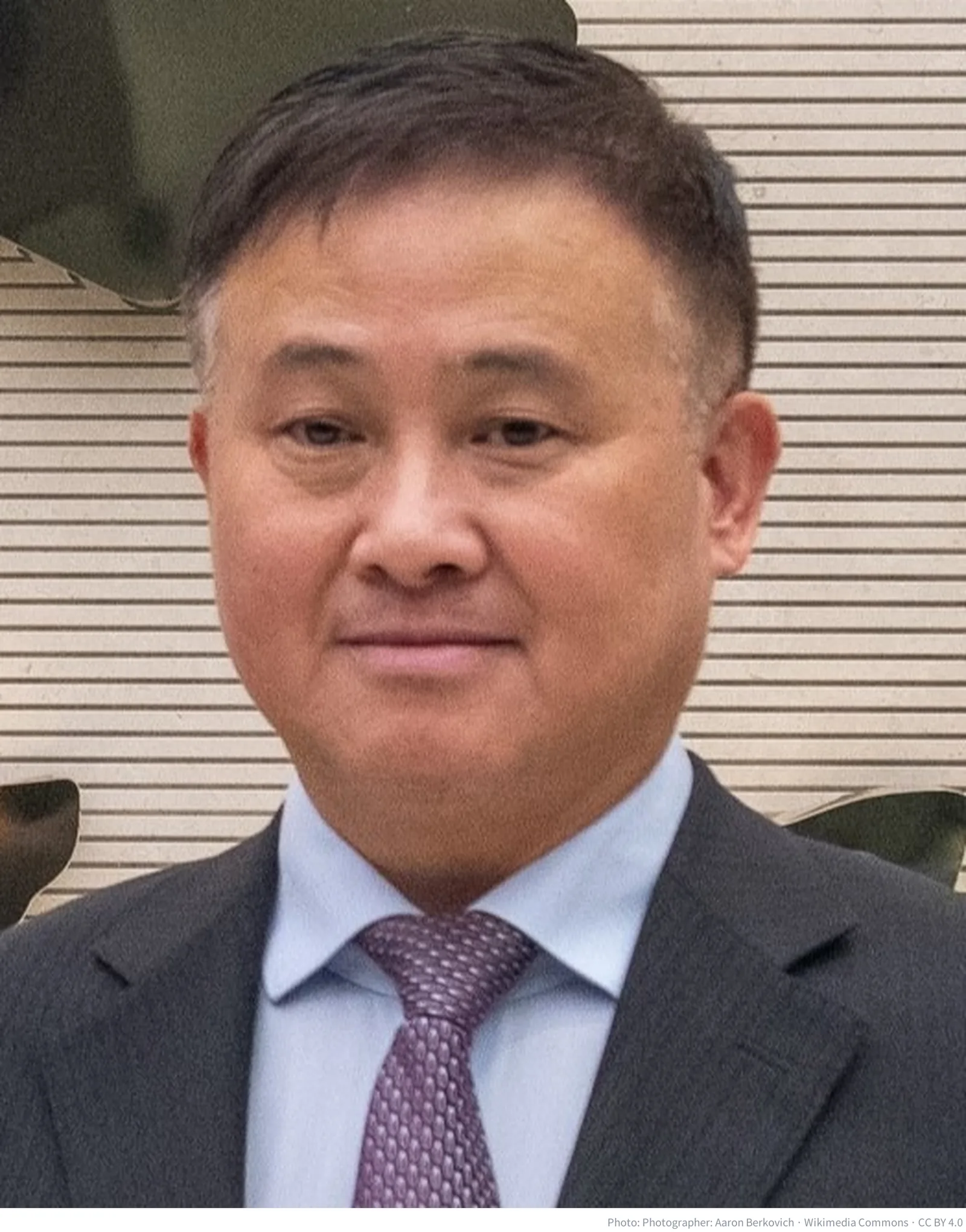
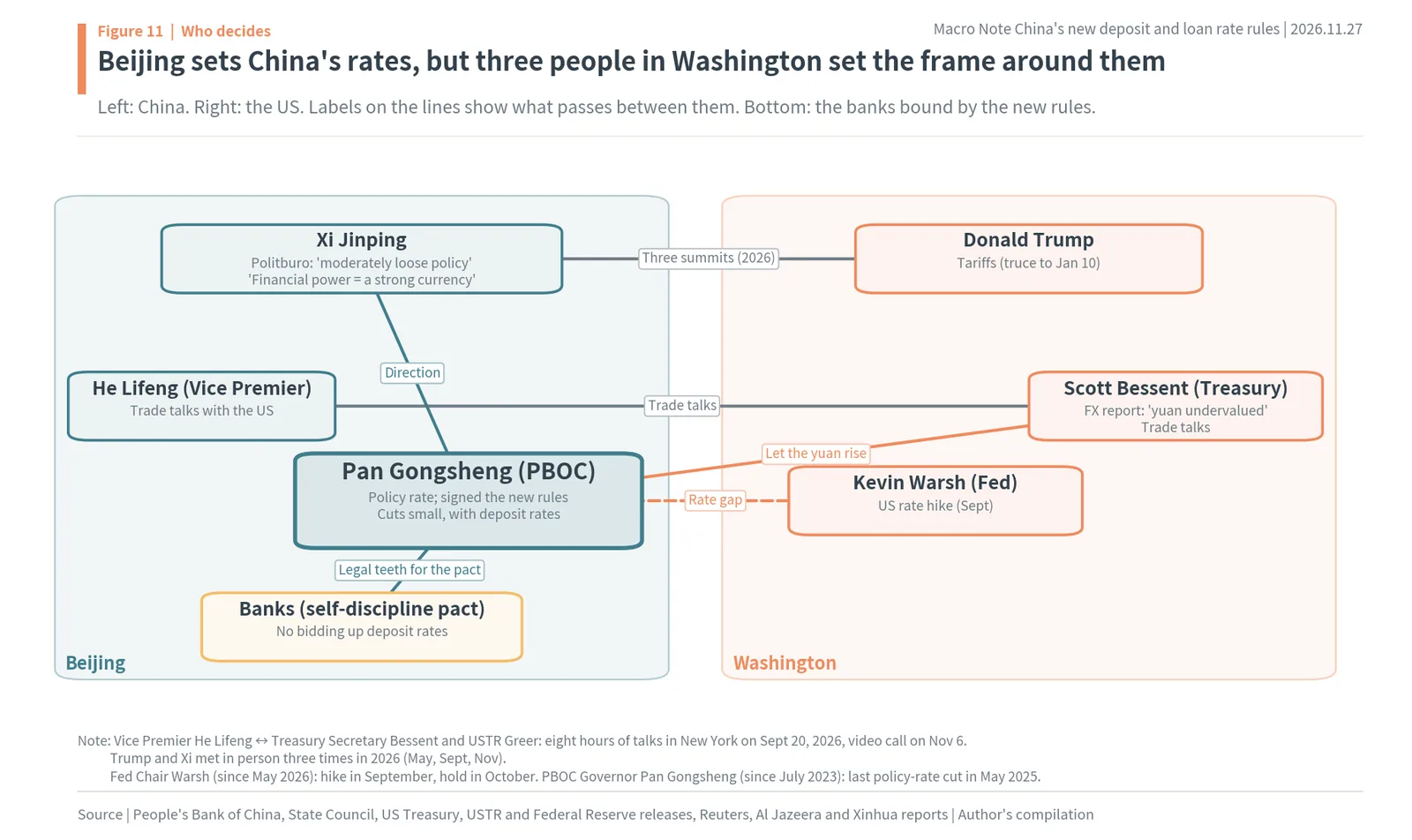
On the Chinese side, the decision runs through PBOC Governor Pan Gongsheng, in office since July 2023, who signed the new rule and announced the overnight policy rate himself. Above him, the Politburo led by Xi set the direction of a “moderately loose” monetary policy in December 2024, wording Pan still repeats. Vice Premier He Lifeng handles trade talks with the US, sitting across from Treasury Secretary Scott Bessent and Trade Representative Jamieson Greer; they spent about eight hours together in New York on September 20.
Washington
Three people in Washington set the frame around Beijing’s rate choices: President Trump on tariffs, Treasury Secretary Bessent through the currency report, and Fed Chair Kevin Warsh, in office since May 2026, on US rates. China’s rates are set in Beijing, but within the room those three leave.
7. Governor Pan’s habits
Small cuts, with deposits following within three weeks
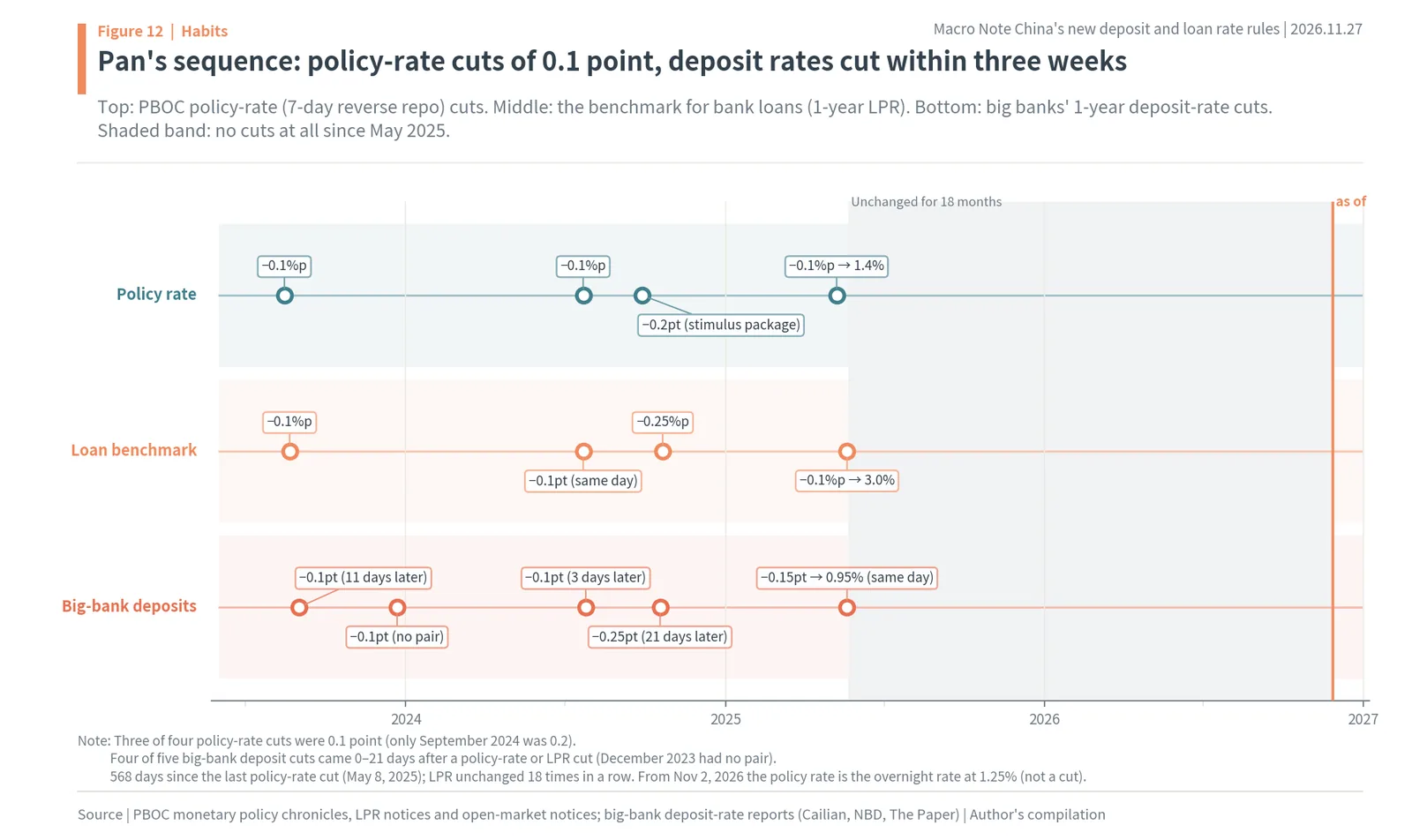
Pan’s record shows a clear sequence. He has cut the policy rate four times, and three of the four cuts were 0.1 point. When loan rates came down, the big banks’ deposit rates followed: four of five deposit cuts came within three weeks of a policy-rate or LPR cut. At a September 2024 press conference he said the aim was to bring the LPR and deposit rates down together and “keep commercial banks’ net interest margin stable,” the thinking behind the new rule.
Big cuts only after the Politburo speaks
His one larger cut, in September 2024, took effect the day after the Politburo called for “forceful” rate cuts. He changes frameworks quickly: the overnight policy rate he raised at the Financial Street Forum on October 19 was announced 11 days later. But softer pledges that there was “room” to cut were met on time only once in four tries. Put together, he fixes the plumbing first, and moves rates in small steps unless the leadership asks for more.
8. What comes next
December: words, not cuts
The first checkpoints come in December: the Fed meets on December 9, then the Politburo and the Central Economic Work Conference. If habit holds, China will end the year repeating “moderately loose” rather than cutting.
January 10: two paths
The second checkpoint is January 10, when the tariff truce expires. If it is extended again, the author expects China to avoid a large, currency-moving cut and lean on lower bank funding costs and fiscal interest subsidies; a one-year mortgage interest subsidy started on October 1, and a consumer-loan subsidy runs to December 31. If talks break down and tariffs rise, exports would suffer, and a bigger cut ordered by the Politburo becomes possible.
March 21: the window for the next cut
The third checkpoint is the National People’s Congress in March and the rules taking effect on March 21. The author’s base case is that the next policy-rate cut comes after that date, of about 0.1 point and together with a cut in the big banks’ deposit rates. With the deposit race capped by law, small banks could no longer bid rates up while the rest of the system cuts. Dongfang Jincheng’s Wang Qing, who expects a 0.1 to 0.2 point cut sometime in 2027, points the same way.
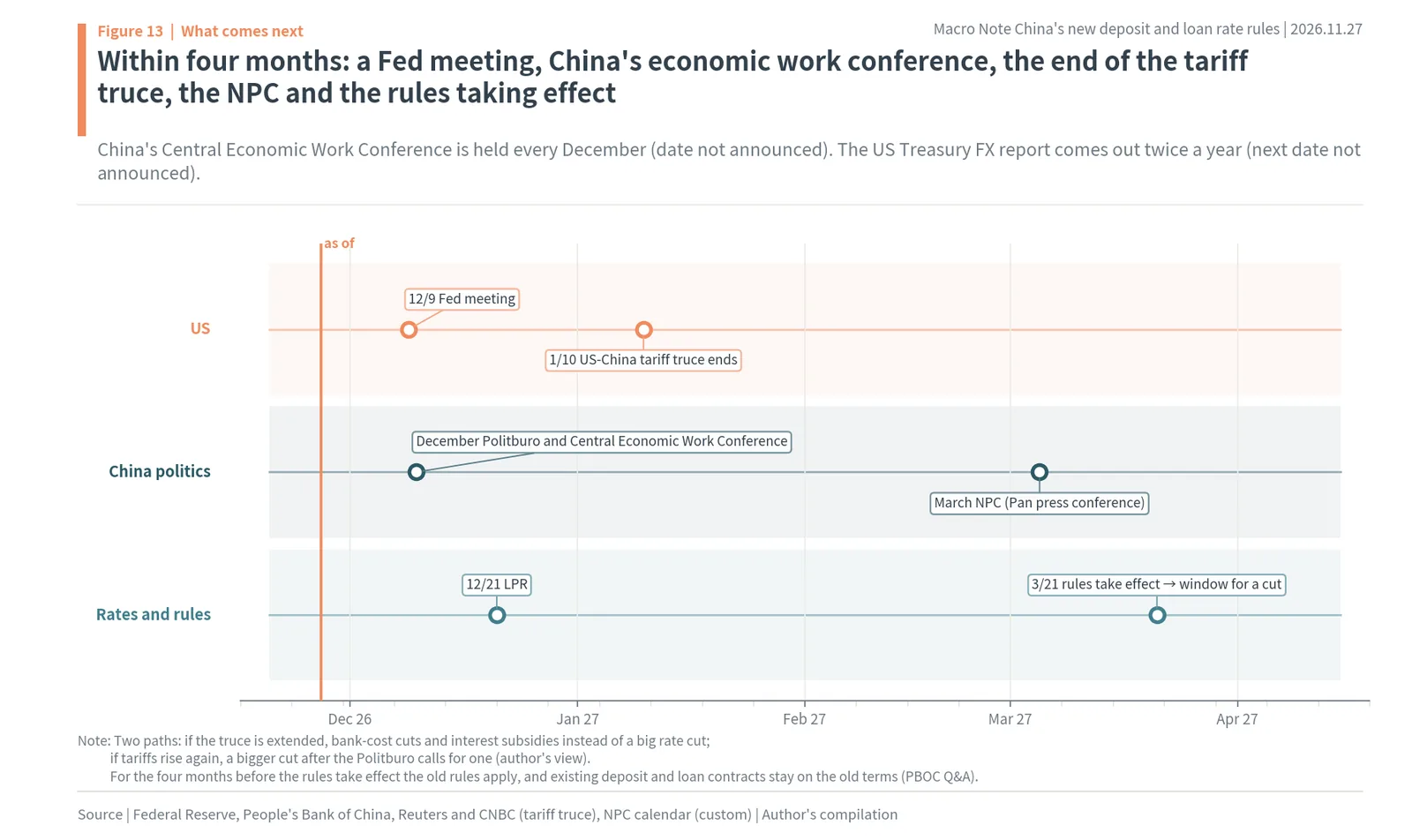
The signals to watch are whether the big banks cut their 0.95% one-year deposit rate, whether the yuan keeps rising, and how the next US Treasury currency report describes China. The author’s view is that China chose a quiet cut over a loud one to keep the negotiating table intact, and that this approach will last until the trade talks reach a broader conclusion.
9. What it means for investors
Chinese bank stocks: the bigger, the better
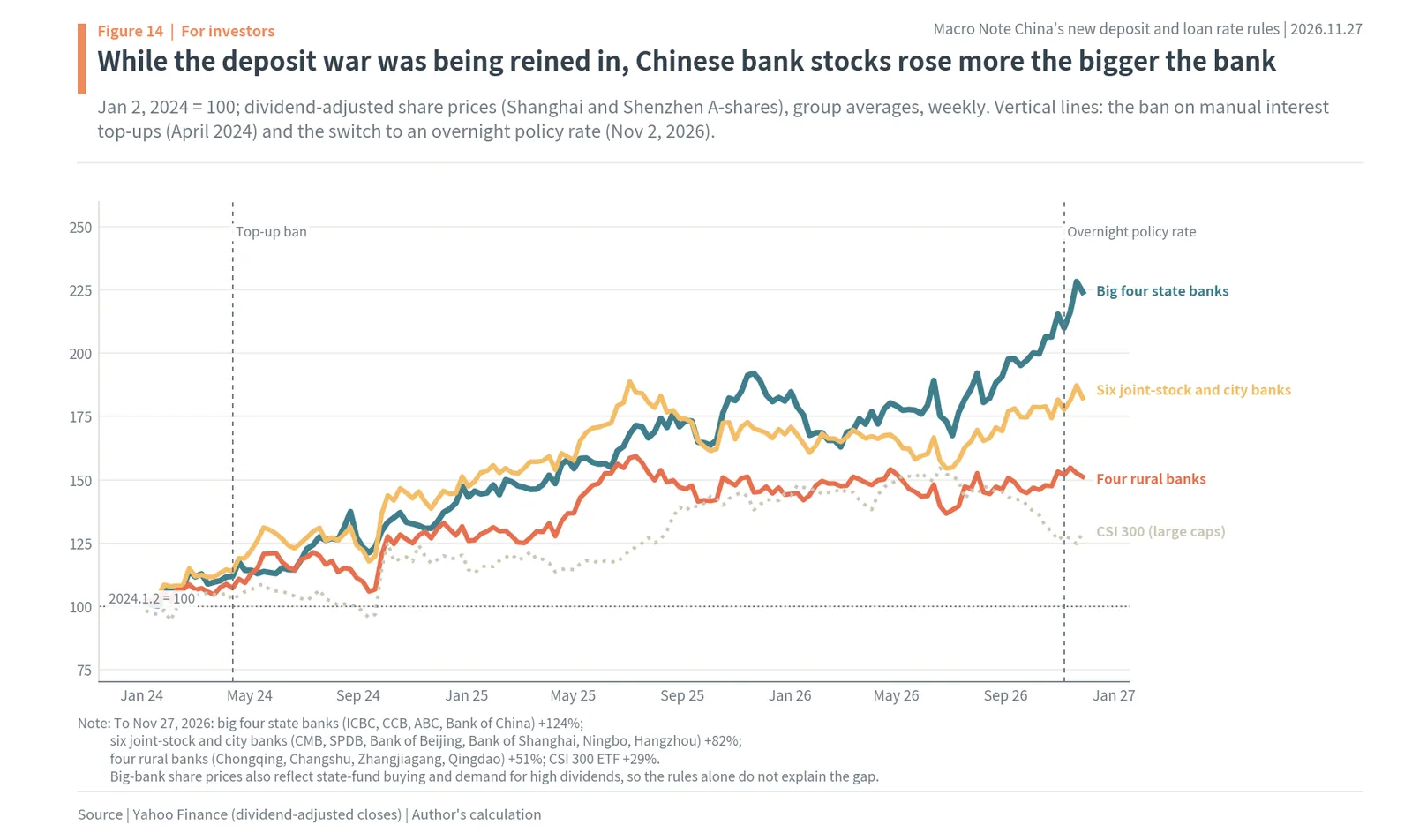
Chinese bank shares have reflected the direction of travel. Including dividends, the four big state-owned banks’ A-shares have more than doubled since the start of 2024 (+124%), joint-stock and city banks rose about 82% and four listed rural banks about 51%, against 29% for the CSI 300. Capping the deposit race favors big banks with strong brands, but their shares also reflect state-fund buying and demand for dividends. The Hong Kong-listed shares of ICBC, CCB, ABC and Bank of China peaked in mid-November.
Dates
Watch December 9 (Fed), the December Central Economic Work Conference, January 10 (end of the US-China tariff truce), the March NPC and March 21, 2027, when the new rules take effect.
Maochaedung’s take. Chinese banks keep too thin a margin to cut loan rates further, and a race among small banks for deposits would undo any attempt. Abroad, Washington wants a stronger yuan and the tariff truce ends on January 10, so a big headline cut could look like currency management. China’s answer is Yi Gang’s “teeth”: cap the deposit race by law, lower banks’ funding costs and let loan rates fall quietly. The author expects the next cut after the rules take effect on March 21, in steps of about 0.1 point together with deposit rates, and will watch the big banks’ 0.95% deposit rate first.
China’s new deposit rate rules: quick answers
Q. What do China’s new deposit and loan rate rules change?
From March 21, 2027, banks may not attract deposits with improperly high rates, including manual interest top-ups, breaking the caps agreed in the PBOC-guided self-discipline mechanism, or tying deposits to loans. The caps now have legal force and violations can be punished under the central bank law. The rules also drop the old 30% to 50% band for penalty interest on overdue loans and require lenders to show the full annualized cost of a loan.
Q. Do the rules cut loan rates in China?
Not directly. The PBOC expects penalty interest on overdue loans to fall, but the rules do not change loan rates in general. Their main effect is on the deposit side: by stopping banks from bidding deposit rates up, they hold down funding costs so that loan rates can fall later.
Q. Why can’t Chinese banks cut loan rates further?
Their net interest margin was 1.41% in the third quarter of 2026, below the roughly 1.8% the industry treats as healthy since early 2023, and only 1.31% at the large state banks. The one-year LPR has been 3.0% for 18 consecutive fixings since May 2025, and the PBOC says deposit rates must fall first.
Q. How does US pressure on the yuan affect China’s rate decisions?
In January 2026 the US Treasury called the yuan substantially undervalued and said it could name China a currency manipulator if it resists appreciation. A large Chinese rate cut would usually weaken the yuan, so before the tariff truce ends on January 10, 2027, a big headline cut could look like currency management. The author reads the deposit rules as a quieter way to lower loan rates.
Q. When might the PBOC cut rates next?
The author’s base case is after the rules take effect on March 21, 2027, by about 0.1 point and together with a cut in the big banks’ 0.95% one-year deposit rate, in line with Governor Pan Gongsheng’s record of small cuts. A breakdown in US-China trade talks could bring a larger cut after the Politburo calls for one.
Sources
- People’s Bank of China, Regulation on the Administration of RMB Deposit and Loan Interest Rates (PBOC Order No. 5 of 2026), published Nov 27, 2026 (reprinted by China News Service, https://www.chinanews.com.cn/cj/2026/11-27/10738954.shtml); PBOC officials’ Q&A on the regulation, Nov 27, 2026 (link); draft regulation, June 2026 (Xinhua)
- Yi Gang, “On Removal of the Deposit Interest Rate Ceiling,” PBOC website, Oct 27, 2015 (link)
- PBOC: open market operations announcement No. 13 of 2026 (Oct 30, 2026); LPR notices (July 2023 to Nov 20, 2026); monetary policy chronicles 2023 to 2026; Q3 2026 Monetary Policy Report (Nov 11, 2026); Q3 2024 Monetary Policy Report (Nov 8, 2024); Pan Gongsheng’s Financial Street Forum speech (Oct 19, 2026); State Council report on financial work to the NPC Standing Committee (Nov 3, 2026)
- National Financial Regulatory Administration, commercial bank regulatory indicators (2020 to Q3 2026; 2018 to 2019 from press reports); Yicai and 21st Century Business Herald reports (Nov 2026); Caixin (Jan 9 and Jan 26, 2026) and Reuters (Mar 25, 2026) on maturing deposits; Securities Daily (Oct 13, 2026) and 21st Century Business Herald (Oct 22, 2026) on small banks’ deposit rates
- US-China: Reuters timeline of the US-China trade war (via US News, Nov 16, 2026, https://www.usnews.com/news/top-news/articles/2026-11-16/how-trump-and-xi-went-from-tariff-war-to-trade-truce); CNBC on the Shenzhen APEC summit (Nov 20, 2026); Al Jazeera on US-China trade talks (Nov 6, 2026); SCMP on new US tariff proposals (Nov 25, 2026)
- US Treasury semiannual foreign exchange report (Jan 29, 2026), via Bloomberg (link); Commerzbank on the yuan and the FX reserve requirement (FXStreet, Nov 4, 2026); AP on China’s trade surplus (Nov 10, 2026); Federal Reserve decisions (Sept 16 and Oct 28, 2026) and FRED; IMF Middle East briefing (Apr 16, 2026) on the Iran war; China NBS producer prices (Nov 9, 2026); Xi Jinping’s speech on building a financial power (Jan 16, 2024, gov.cn)
- History: FDIC, History of the Eighties (1997) and Curry and Shibut, “The Cost of the Savings and Loan Crisis” (FDIC Banking Review, 2000); Japan Ministry of Finance, Heisei fiscal history; Yasuhiko Hattori on Kizu Credit Cooperative (Ritsumeikan Business Review); Korea Financial Services Commission (Nov 23 and 25, 2022); Korean government briefing on MG Saemaul Geumgo (Jul 6, 2023); CBIRC briefing on the Henan village banks (Aug 12, 2022)
- Prices: Yahoo Finance dividend-adjusted closes for 14 Chinese A-share banks, the CSI 300 ETF and CNY per USD, through Nov 27, 2026; author’s calculations (research/calc.py)
- Photos: Yi Gang (World Economic Forum, CC BY-SA 2.0); PBOC headquarters (David290, CC BY-SA 4.0); ICBC branch in Dali (瑞丽江的河水, CC BY-SA 4.0); Trump and Xi in Busan (The White House, public domain); MG Saemaul Geumgo branch (LandAndTree, CC0); Pan Gongsheng (Aaron Berkovich/European Union, CC BY 4.0); all via Wikimedia Commons
- Maps: Natural Earth (public domain)
Disclaimer
This report records the author’s personal analysis and views based on public information and does not recommend any particular product or company. It does not recommend buying or selling any financial investment product and is not an investment advisory service.
A person’s “habits” in this report are the author’s grouping of that person’s public statements and recorded decisions; they do not claim to know anyone’s intentions. The link between US pressure on the yuan and China’s choice of a “quiet” rate path is the author’s interpretation, not a stated PBOC policy.
Author’s interests: not disclosed
As of: November 27, 2026
Was this note useful?
Thanks. Your answer helps decide what to cover next.
Korea market snapshot · Nov 23, 2026
New to Korean stocks? Start here for the basics.
Most read this week
Get the Saturday note on Korean stocks
One email every Saturday with the week’s new research on Korean listed companies and links to the updated data pages. Built from DART filings and KRX data. Free; unsubscribe in one click. See past issues